
Have you decided to renovate your balcony yourself? That's a great idea! Turning this often forgotten space into a cozy corner is not only useful but also very creative. However, in order to keep your enthusiasm alive after the first difficulties, you need to prepare for the process.
Doing the renovation yourself not only saves money, but also gives you complete freedom in choosing the design. You can make your dreams come true without having to adapt to someone else's schedule. But it is important to understand what you are getting into and avoid typical beginner mistakes.
In this article, we have compiled several practical tips to help you complete this journey from start to finish. From the initial assessment of the balcony's condition to the final touches in the interior. Let's figure out how to do everything correctly, safely, and with pleasure.
- The ideal time for renovation
- How will you use the balcony?
- What work should be entrusted to specialists?
- What is the best way to insulate the floor?
- Advantages and disadvantages of popular floor insulation materials
- Expanded polystyrene (foam plastic)
- Mineral/basalt wool and slabs
- Cement screeds with expanded clay or polystyrene foam filler
- Advantages and disadvantages of popular floor coverings
- Linoleum
- Laminate
- Boards, parquet
- Carpet
- What is the most important thing when installing electrical wiring?
- How to insulate walls?
- Pros and cons of popular materials for interior wall finishing
- MDF panels
- Plastic panels
- Wooden panels
The ideal time for renovation
Renovating your balcony will inevitably affect other rooms in your apartment, because:
-
you will need somewhere to store building materials.
-
there will be no less dust, debris, and dirt than when renovating any other room.
-
you will need power sources to connect the balcony's electrical network.
To minimize inconvenience, you should start renovating the balcony at the same time as the other rooms.
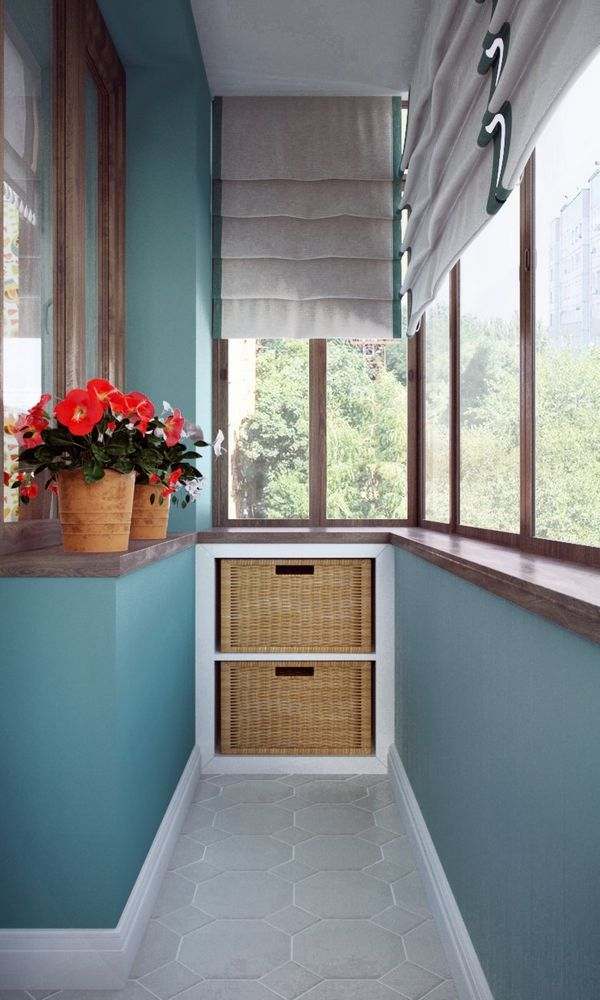
How will you use the balcony?
Before you start renovating your balcony, figure out why you need extra space in your apartment. This will help you decide on the materials, scope of work, and financial costs.
Are you planning to build a spacious storage room?
Excellent decision! In this case, you can safely save on the thermal insulation of the room. The optimal solution would be cold glazing of the balcony and insulation of the walls with foam plastic.
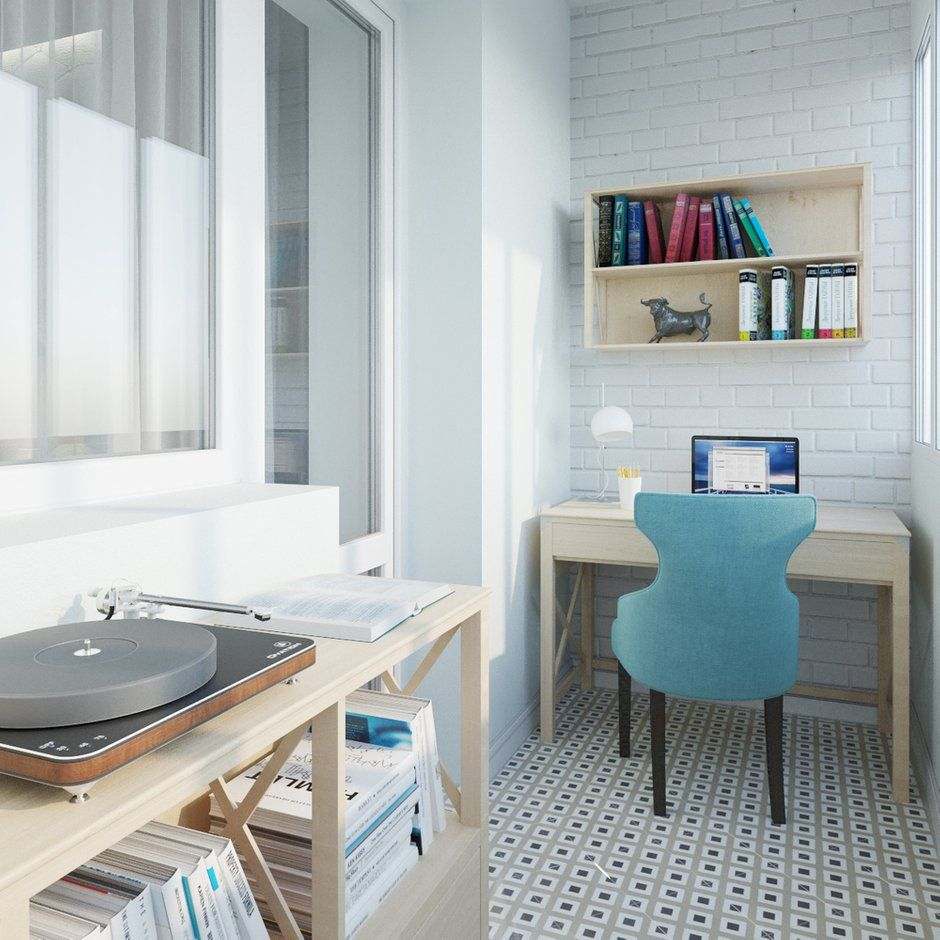
Need a workspace? Consider higher-quality improvements.
Will you use the balcony as a dining room? Combine it with the kitchen! But remember: you will need to redesign the layout.
Want to make a winter garden or flower garden? Well, this is an obvious solution, since the balcony gets the most daylight. Just remember that for heat-loving plants, you need to provide not only good insulation but also heating for the room.

What work should be entrusted to specialists?
Let's consider a typical balcony renovation option— with insulation. If the house has been in use for several years, the balcony may need external improvements. The most popular, inexpensive, and practical material for wall cladding is siding. Additionally, you can insulate the outside of the balcony with polystyrene foam or mineral wool.
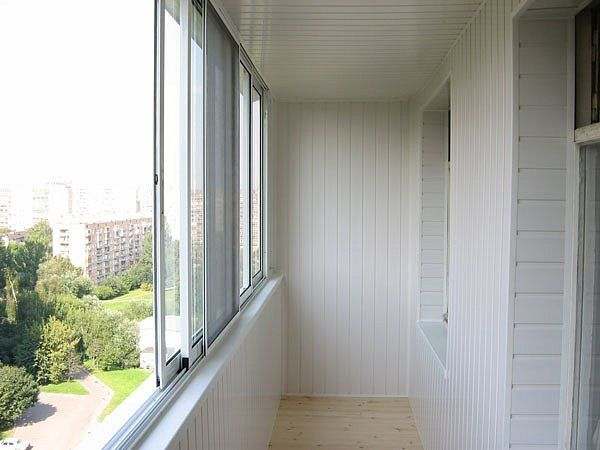
Glazing there are two types: cold or warm. The first option is suitable for auxiliary rooms: a storage room or a summer room. Warm glazing is used when creating permanent rooms, when the balcony is combined with a living room or used as a fully functional space in winter and summer.
You can handle this work yourself if you have sufficient experience, free time, and all the necessary tools.

What is the best way to insulate the floor?
You can insulate the floor on your balcony using various materials and technologies. The simplest option is to make a wooden frame, lay foam plastic slabs in the grooves, and cover the entire structure with a sheet of fiberboard or chipboard. You can also make a screed from expanded clay concrete (a mixture of cement mortar and expanded clay).
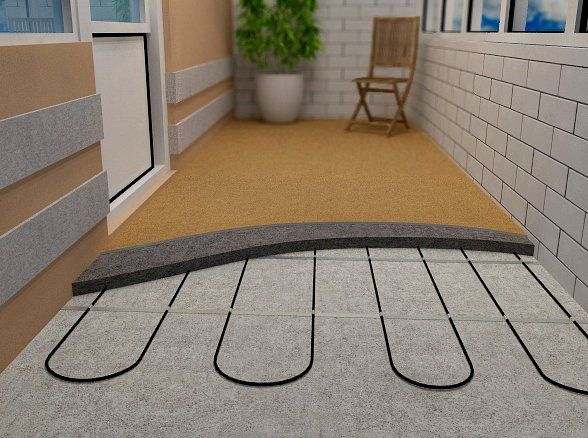
A modern way to insulate flooring – heated electric floors. Use heating mats or cables to avoid cluttering up the space with radiators. Laminate, carpet, linoleum, or floorboards are suitable as top floor coverings.
Advantages and disadvantages of popular floor insulation materials
Expanded polystyrene (foam plastic)
Advantages: lightweight, inexpensive material. Easy to work with – can be cut with a wallpaper knife. Retains heat well.
Disadvantages: vapor-impermeable, meaning the balcony will have to be ventilated to remove excess moisture. Very popular with rodents. Highly flammable.
Mineral/basalt wool and slabs
Advantages: low thermal conductivity – retains heat well in the room. Retains its shape under significant loads. Excellent sound insulator. Moisture resistance and vapor permeability – the material does not disturb the microclimate in the room.
Disadvantages: compared to foam, mineral insulation is quite expensive.
Cement screeds with expanded clay or polystyrene foam filler
Advantages: price, good thermal insulation, low weight (compared to sand-cement screeds).
Disadvantages: labor-intensive work, special tools are required for mixing solutions.
Advantages and disadvantages of popular floor coverings
Linoleum
Advantages: budget-friendly option, high strength, durability. Highly waterproof. Easy to install on the floor.
Disadvantages: the coating is sensitive to low temperatures. It does not hide surface irregularities.
Can become moldy in high humidity.
Laminate
Advantages: high strength and wear resistance, easy to install, affordable price.
Disadvantages: sensitive to moisture, requires a very flat surface for installation.
Boards, parquet
Advantages: environmentally friendly. The material maintains a natural microclimate due to its hygroscopicity—it absorbs and releases moisture. Aesthetically appealing.
Disadvantages: it is sensitive to moisture, requires serious maintenance during use, and is expensive.
Carpet
Advantages: warm covering, attractive appearance, easy to install.
Disadvantages: requires constant and fairly laborious care, expensive.
What is the most important thing when installing electrical wiring?
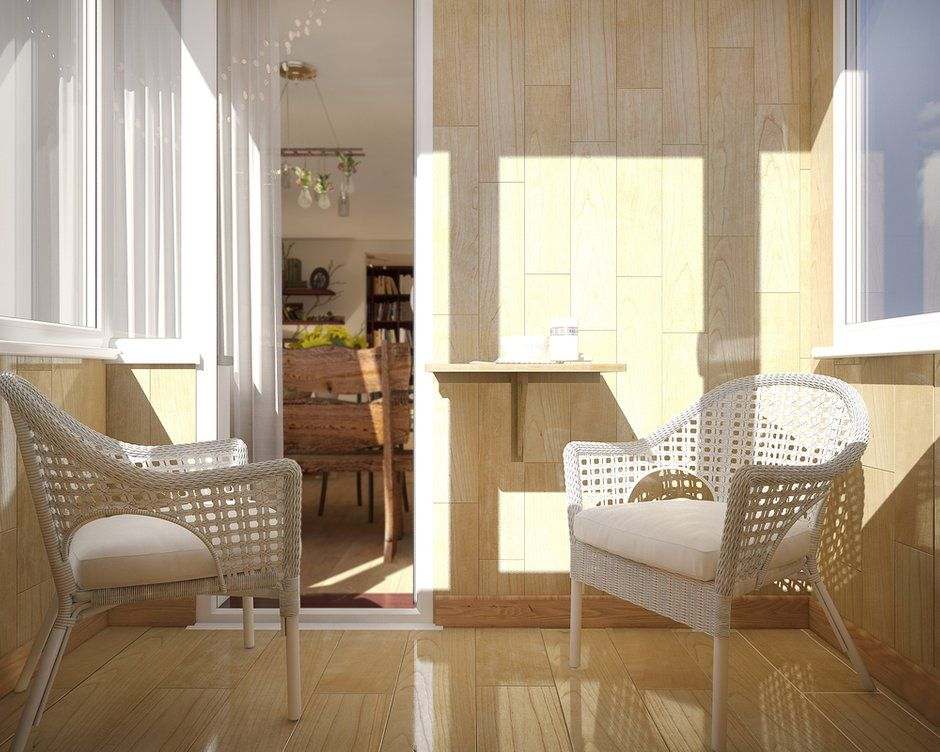
Think in advance about the location of sockets, switches, and light fixtures, and run wires to these places. To protect against external damage, it is advisable to hide the wiring in cable channels.
Important: the installation of additional sockets and switches does not require approval from regulatory authorities and is not reflected in the technical passport. However, when performing electrical work, regulatory requirements must be taken into account. For example, it is not permitted to install electrical wiring in floor slabs and under interior wall panels.
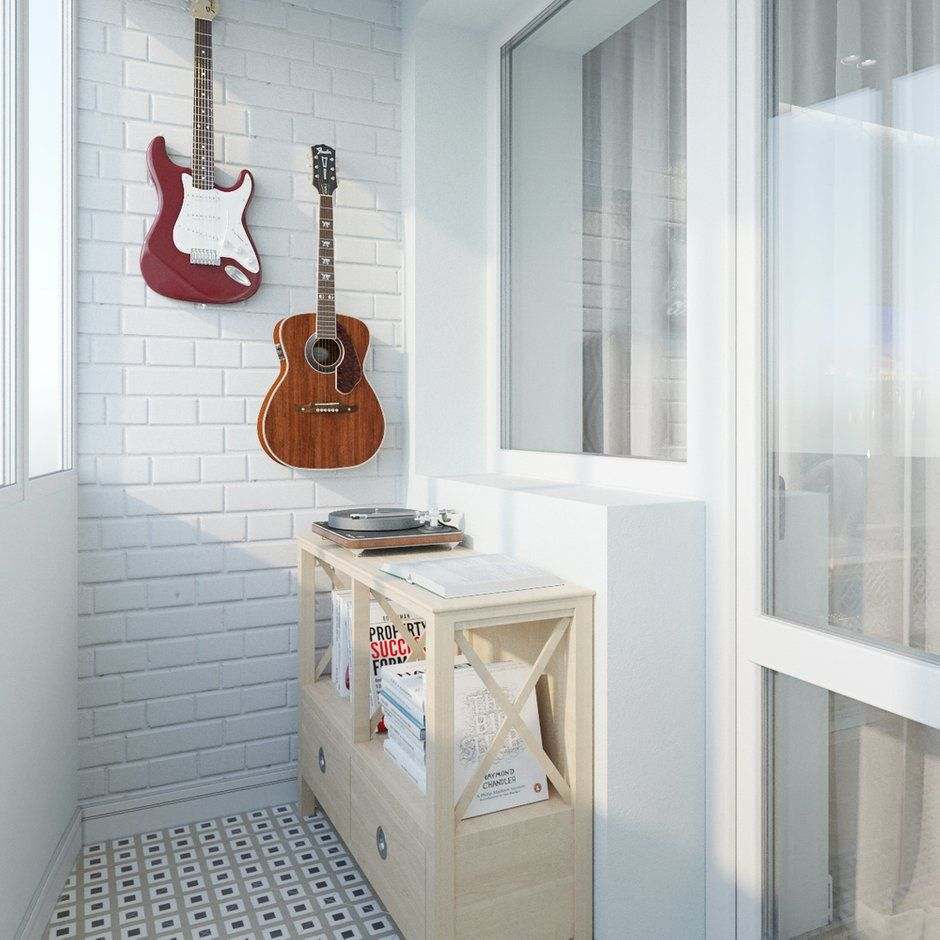
Renovating a balcony yourself is a feasible task if you approach it wisely. The main thing is not to rush and to clearly understand why you are doing it: whether you will store things, grow flowers, or create a cozy place to relax. Think through the layout, choose practical and moisture-resistant materials, and don't forget about thermal and waterproofing, especially if the balcony is not glazed. Prepare your tools in advance, follow safety precautions, and do the work in stages — this way you will tire less and do everything neatly. And remember: even small details such as lighting or painting the railings can greatly change the overall look.
How to insulate walls?
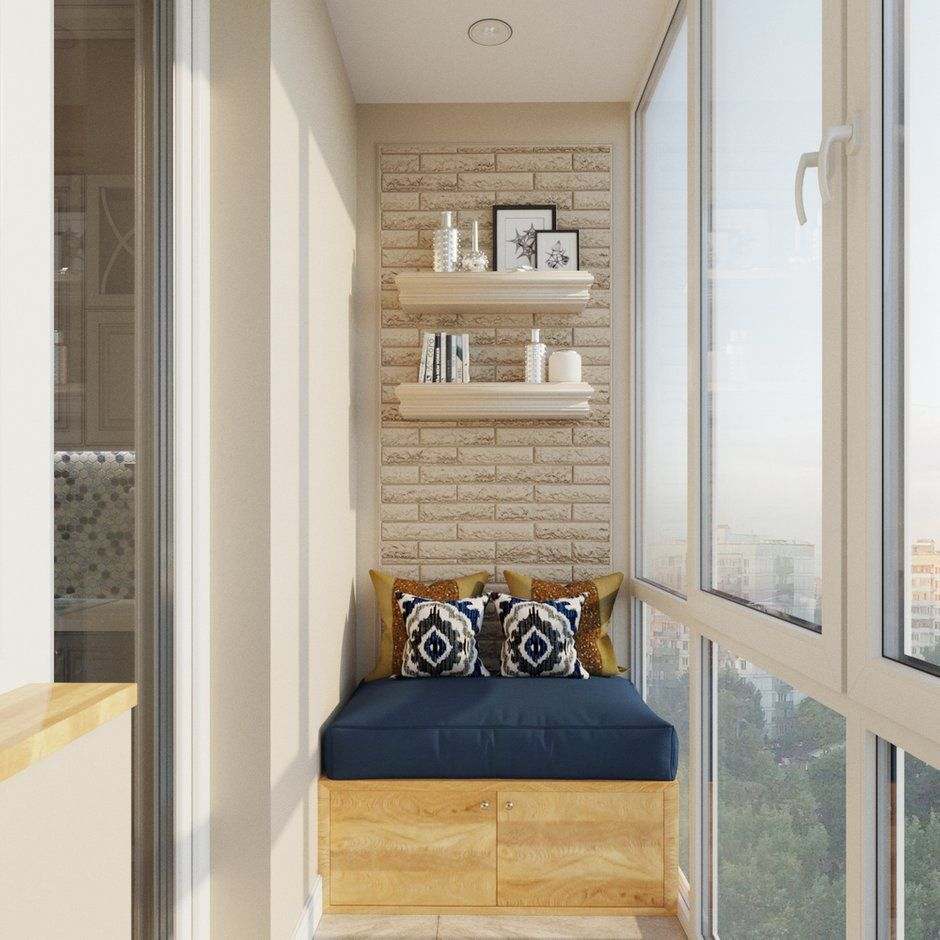
Mineral-based insulation (mineral wool, basalt panels), and expanded polystyrene panels are used to insulate balcony walls from the inside. Technically, wall insulation is carried out using the following method: installation of guides, installation of insulation (fixed with glue and dowel-umbrellas). Next, a frame is constructed for the installation of finishing materials: MDF boards, plastic, wooden panels.
Pros and cons of popular materials for interior wall finishing
MDF panels
Advantages: easy to install, low cost, good heat and sound insulation properties, aesthetically appealing appearance.
Disadvantages: low resistance to moisture and sub-zero temperatures, fades in the sun.
Plastic panels
Advantages: quick and easy installation, high moisture resistance, wide range of colors and textures.
Disadvantages: brittle, does not allow vapor to pass through, fades in the sun.
Wooden panels
Advantages: environmentally friendly material, breathable, aesthetically appealing appearance, easy to process and install.
Disadvantages: not resistant to moisture and temperature changes. Expensive. Combustible material.
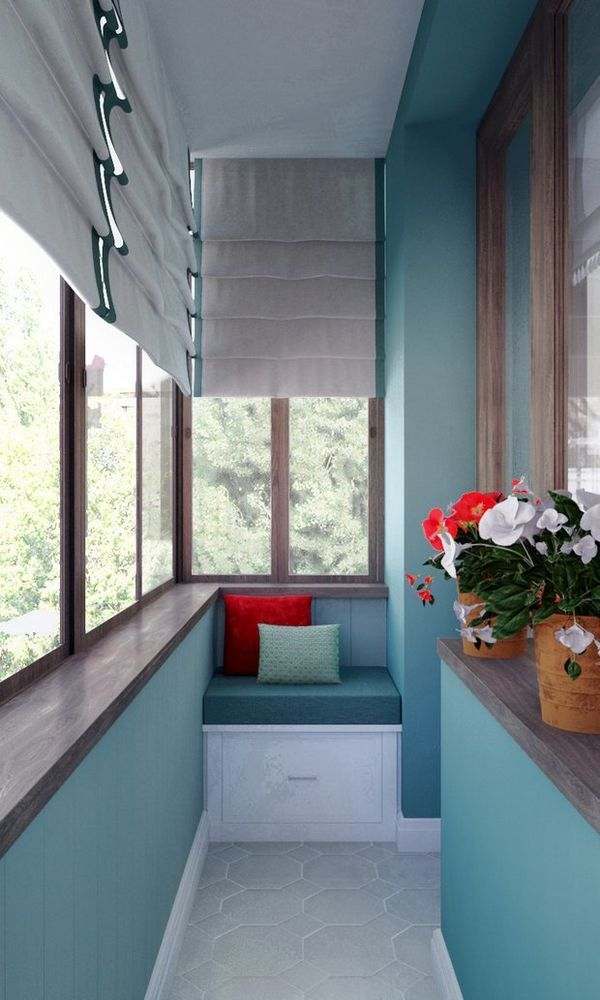
So, you are armed with ideas and ready to turn your balcony into a cozy extension of your apartment. Remember that the most important advice is careful planning. Take the time to think through each step, and then the process will be much easier.
Don't be afraid to start small. Even if your budget or experience is limited, you can do a lot yourself. The main thing is to proceed systematically and not skip important steps, especially those related to safety and moisture protection.
Let your renovation be enjoyable. Don't strive for the ideal from a magazine; create a space for yourself. The finished balcony, into which you have put your energy, will delight you for many years, becoming your favorite place to relax with a cup of coffee or a good book.


