
Imagine a country where you can see an ancient Roman aqueduct on one street and a futuristic glass and steel skyscraper on another. Spain is just such a place. Its architecture reads like a fascinating book, with each era leaving its own vivid chapter.
This journey, spanning thousands of years, began with the mighty buildings of the Romans and continued with the graceful arches of the Moors. Later, austere Romanesque churches, soaring Gothic cathedrals, and whimsical Baroque architecture left their mark. Each wave of conquerors and each period of prosperity added new, unique features.
But Spanish architecture is not just an open-air museum. It is living history, in which the past is in constant dialogue with the present. Geniuses like Gaudí shattered traditional ideas, and contemporary architects boldly continue this conversation, creating daring projects for the future.
Let's take a walk along this route together — from ancient stones that remember the legionnaires to the sparkling towers of the 21st century. You will see how the country has changed and how its hot, passionate, and irrepressible character is reflected in stone, brick, and concrete.
Mudejar style
Unfortunately, many Roman monuments disappeared after the Visigoth raids. They were replaced by a unique style called “Mudejar” (from the Arabic word meaning “domesticated”).

In the 10th-12th centuries, Spain embraced this style, which today would be called eclectic, as Mudejar combined Arabic and European architectural features. The combination was rather crude, so it was not particularly distinctive, but the buildings were easy to construct, quite sturdy, and comfortable.


However, it also had its own charm, in particular, the active use of Moorish style details—carved elements, arches, and bright tiles.
Today, most of the monuments of this style have been preserved in Sagunto, Toledo, and Granada.
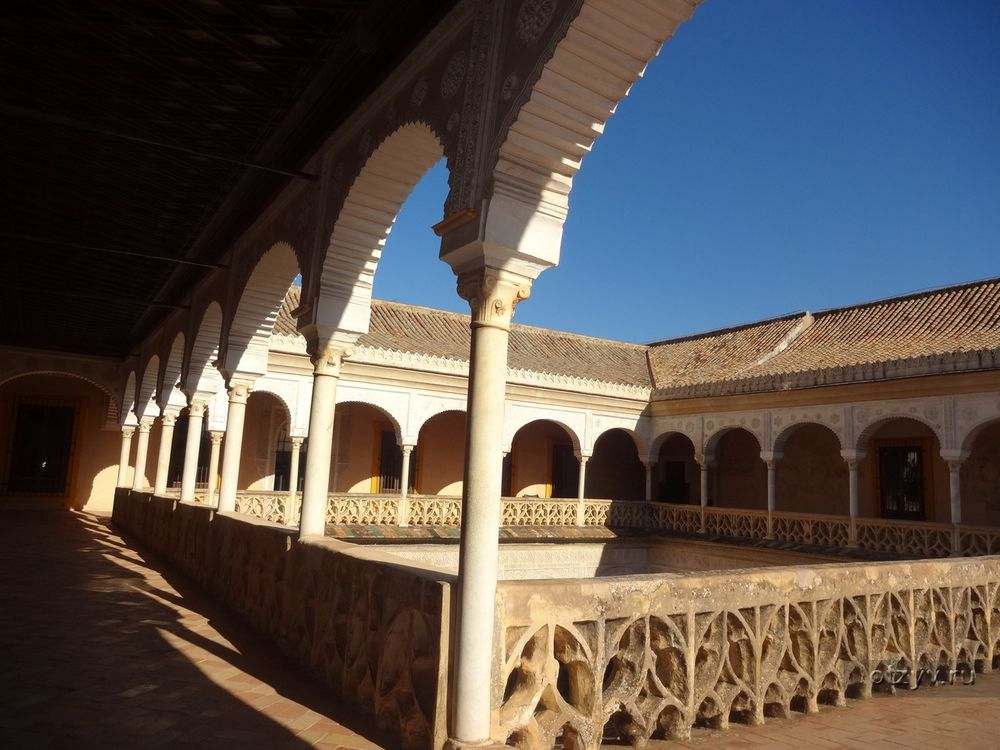
The citadel and Pilate's House in Seville can also be attributed to the Mudéjar style.
Spanish architecture is living history, built over thousands of years. From the mighty Roman aqueducts that still stand today to the bold modern skyscrapers, each style tells its own part of the country's great history. Here, Moorish palaces, Gothic cathedrals, Baroque squares, and avant-garde buildings by Gaudí and others coexist. Spain has not simply preserved its architectural heritage—it constantly reinterprets it, creating cities where the past and the future go hand in hand.
Romanesque architecture
This style was widespread throughout the Iberian Peninsula and Italy in the 13th century. In many ways, it was founded by the Cluniac monastic order, which built a large number of monasteries for pilgrims traveling to the relics of St. James. Therefore, the Romanesque style is devoid of any “decorations” — it is simple and concise: thick walls, arches, no excessive decor.


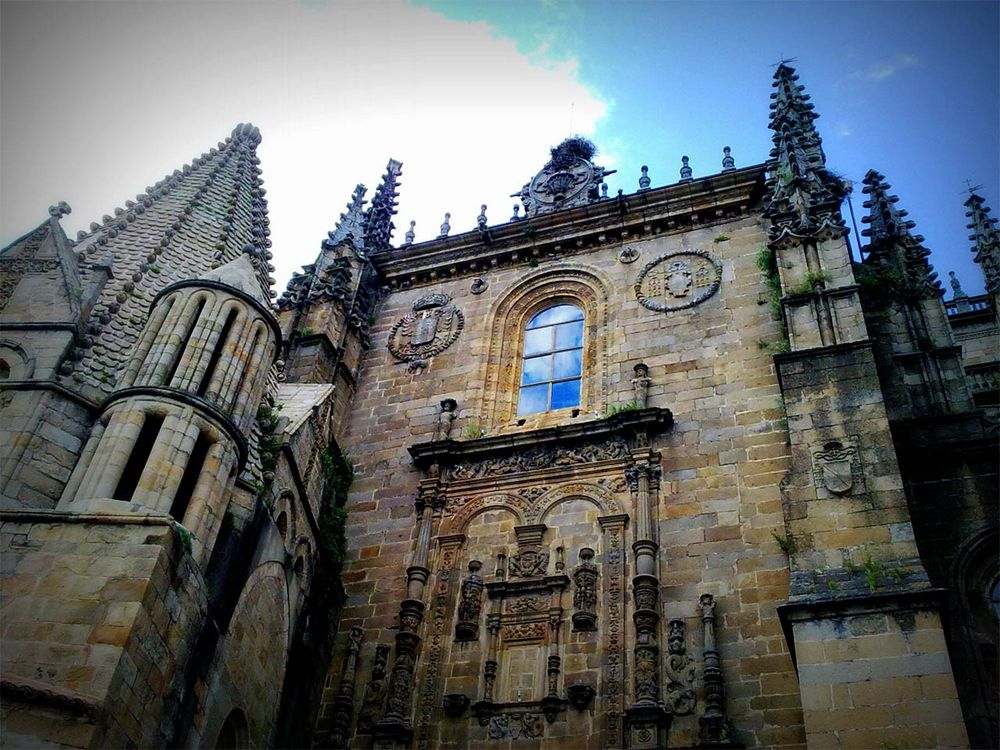
Today, there are more than 500 churches in Spain dating from this period. Clear examples of Romanesque architecture include the monastery of San Juan, the Basilica of San Isidoro in León, and the cathedrals of Salamanca, Zamora, and Plasencia.
French and Arabic architecture had a certain influence on the Romanesque style. Sometimes they were combined in the appearance of a single building, such as the Church of Santo Domingo in the province of Soria.
Gothic style
the 14th century was a time of rising national consciousness in Spain. The population rejected everything Arab and at the same time devoted enormous energy to the development of its own language, art, and architecture. Arab motifs still remain—heavy structures, voluminous patterns, bell towers reminiscent of minarets. But at the same time, Spanish architecture is finding its own identity.


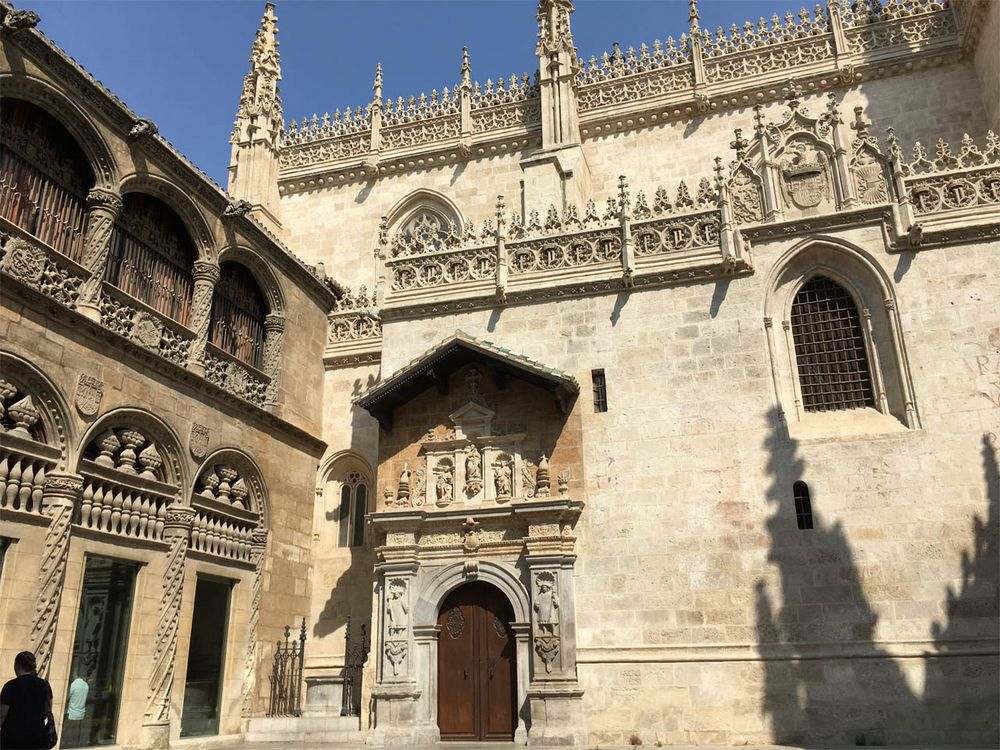
You can get acquainted with Gothic architecture by visiting churches in Toledo, Burgos, and Girona, the Santa Maria del Mar temple in Barcelona, the Silk Exchange in Valencia, and the magnificent Royal Chapel in Granada. While the names of early architects have been lost to history, we know the names of the masters of Gothic architecture: the most famous were Guillem Boffil, Ventura Rodríguez, Juan de Colonia, and Enrique Egas.
Renaissance in Spain
At the end of the 15th century, Gothic architecture gradually gave way to the Renaissance. The subtlety and frightening austerity of the Gothic style were replaced by symmetrical forms with an abundance of arches.

The best illustration of this style is the Palace of Charles in Granada, created by Pedro Machuca.


The Monastery of El Escorial, designed by Juan de Herrera and built by Andrés Veldevilla, and the Cathedral of Jaén also magnificently embody the Spanish Renaissance, as does the façade of the Royal University of Salamanca, designed by architect Diego de Siloe.
Baroque style
By the beginning of the 17th century, the symmetry and “correctness” of the Renaissance had lost ground – the restrained Renaissance was replaced by the lavish, richly decorated, detail-abundant Baroque style, which translates from Italian as “whimsical.” The emergence of this style is largely attributed to the weakening influence of the church and the teachings of Copernicus.

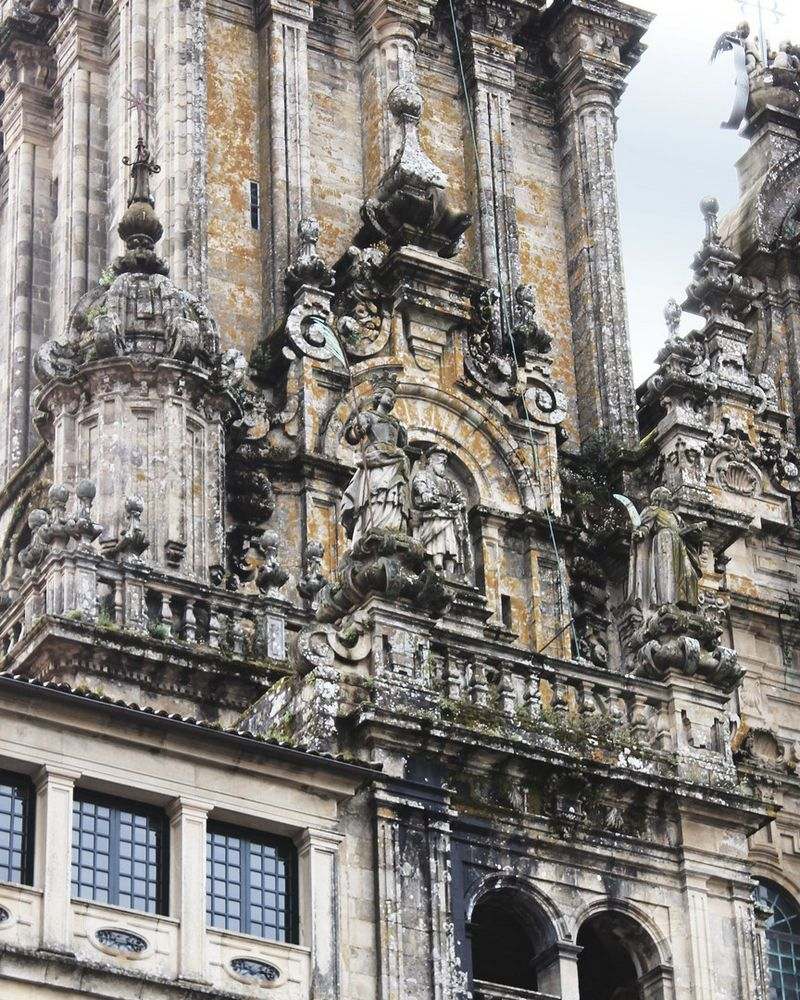

The splendor of the Baroque is perfectly conveyed in the Cathedral of Valencia, the Cathedral of St. James in Santiago de Compostela, the Monastery of Paula in Granada, and other monuments.
Interestingly, the abundant decor of Baroque architecture had no impact on garden and park design—on the contrary, it began to move toward emphasized symmetry and simple geometry.
Churrigueresque style
In the 18th century, another style emerged in Spain, called Churrigueresque, in honor of the two architect brothers Churriguera.
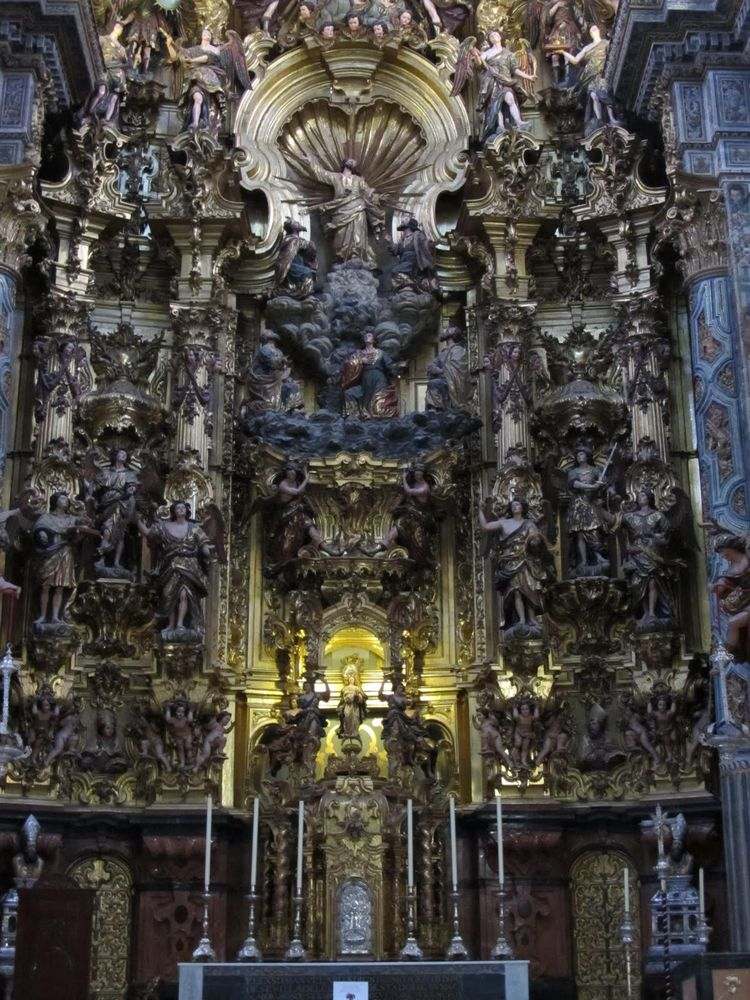

This style, against the backdrop of Baroque, which in Spain did not acquire the same pomp as, for example, in France, looked more lavish and decorative. José Benito de Churriguera worked mainly as a sculptor, famous for his temple altars (for example, for the monastery of San Esteban in Salamanca). As an architect, he designed the small town of Nuevo Bastán in a fairly classical style. His brother, on the other hand, was known for his desire for pomp and grandeur, which can be seen, for example, in the appearance of Plaza Mayor in Salamanca.


In addition, many anonymous architects worked in this style, creating stunningly beautiful portals decorated with plants, cherubs, and ornate columns, such as the portal of the City History Museum in Madrid.
Colonial architecture
It is worth mentioning the architectural styles characteristic of Spanish colonies, particularly in Latin America. In the 17th and 18th centuries, an interesting trend emerged here, combining the excesses of Baroque with the practicality and roughness of buildings. An important feature of the colonial style is the use of stucco: it was used for moldings and as plaster. The material was made from marble chips, gypsum, glue, and chalk.

Today, you can see the colonial style in Lima (Peru) by visiting the Church of St. Francis.
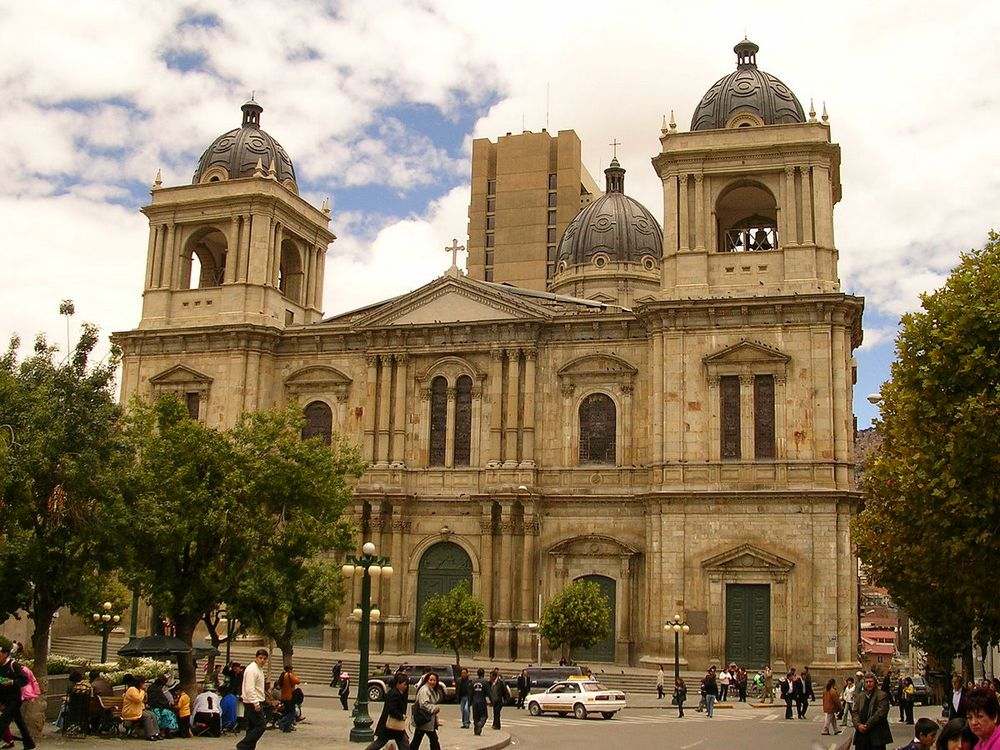
Examples of this style have also been preserved in La Paz and Potosí.
Plateresque style
This style is difficult to rank; it stands apart, combining Mudejar, Gothic, Baroque, and a number of other styles. Its striking feature is its decor—a multitude of details depicting plants or fantastic animals, as well as an abundance of medallions and coats of arms adorning the facades. The facades are decorated with multi-tiered turrets or columns.


The richly decorated University of Salamanca, Seville Cathedral, the Infanta Palace in Guadalajara, and the University of Alcalá de Henares are all examples of the Plateresque style. As for names, Diego de Riego and Juan de Guas were the most successful in this style.
A journey through Spanish architecture is like an exciting walk through time. From Roman aqueducts, which still impress with their austere power, to the airy Gothic cathedrals, every stone here tells its own story. And this story is full of passion, faith, and an incredible pursuit of beauty.
When it comes to more modern styles, the Spanish have always known how to add their own unique character. Antonio Gaudi transformed an entire city into a fairy tale, and contemporary architects boldly continue this work. Their works combine bold ideas for the future with respect for the traditions of the past.
This is probably the main feature of Spanish architecture. It is not afraid of experimentation, but always remembers its roots. Today, on one street, you can see an ancient castle and a daring skyscraper, and they do not clash, but complement each other, creating the unique look that we love so much.


