
You’re not alone if you’ve ever noticed that the window sill beneath your plastic window feels abnormally cold in the winter. Finding a solution to this problem requires first understanding its cause, which can be unsettling and worrying at the same time.
UPVC windows, sometimes referred to as plastic windows, are commended for their energy efficiency. On the other hand, a cold window sill—which feels cold to the touch—indicates that heat is escaping from your house. Poor insulation under the sill or around the window frame is a common cause of this phenomenon.
There are several possible causes for this issue. Gaps where warm air escapes and cold air enters can be caused by inadequate insulation installed during the installation process or by wear and tear over time. Furthermore, the layout and style of the window sill itself may have an impact on the temperature, particularly in older or poorly maintained windows.
It’s important to know why your window sill feels cold for energy efficiency as well as comfort. By addressing the underlying cause, you can reduce your heating expenses and enhance how warm your home feels overall in the winter.
| Reason | Solution |
| 1. Poor Insulation | Check for gaps around the window frame and seal with weather-stripping or caulking. |
| 2. Single-pane Glass | Consider upgrading to double-pane or triple-pane windows for better insulation. |
| 3. Cold Air Infiltration | Inspect for drafts and use draft stoppers or apply insulating film to windows. |
- What should be the temperature?
- Why does the structure become icy??
- How to determine what caused it?
- Solutions
- Additional measures for thermal protection
- Why is it important to fix the problem??
- Useful video
- Video on the topic
- If it blows from under the window sill How to foam the window sill from the inside PVC windows.
- Why is there cold coming from a plastic window?
- Cold from the window ? What is the reason ? … expert advice
- Why does it blow from under the windowsill🤷♂️.I"m fixing the problem❗
- Blows between the windowsill and the window.Gap, gap between the window and the windowsill – how to fix the problem❗
What should be the temperature?
According to state regulations, residential buildings must have certain microclimate indicators so that occupants can live comfortably and without fear of illness:
- Air temperature in the room should be between 18 and 24 C, depending on the purpose of the room.
- Relative humidity is set by the SES no higher than 60%.
- The speed of air circulation inside a house or apartment is no higher than 0.2 m/s.
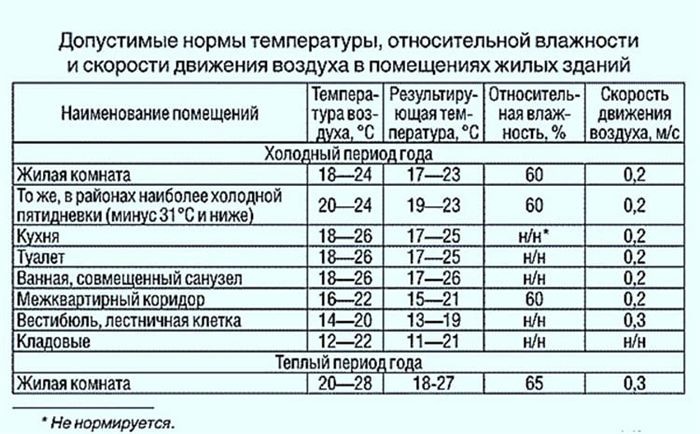
Crucial! The maximum temperature differential between the air and walls is specified in regulatory documents, and it cannot be greater than 3 C.In other words, if the air temperature is 18 C, the wall temperature should be 15 C.
As PVC windows have a thermal resistance of only 0.75 C m2/W, compared to 3.5 C m2/W for walls, they are always several times colder than the outer wall.
Because of this, the window sill cools much more than the wall at T = -20 C, reaching a T of about +10 C. If, however, this temperature falls during operation in the winter, even to O or even lower, you will need to investigate the true causes of this decline.
Why does the structure become icy??
As it happens, there are a number of reasons why the window sill gets chilly in the winter. You must perform a basic diagnostic on the window unit in order to accomplish this.
Potential reasons for PVC windows to cool down more quickly:
- Poorly made windows.
- Exhausted sealant.
- Non-functional fittings.
- Cracks and crevices in slopes or under window sills.
- The window unit has not been adjusted.
- Incorrect installation of the structure.
Crucial! When the house’s heating system is disorganized and the water temperature in the radiators is below +60 C in the winter, it can also result in a cold PVC window sill.
In this instance, heat transfer from the heating device does not offset heat losses through the window. Additionally, the window sill needs to be installed properly so that it doesn’t obstruct the radiator’s convectional heat flow.
How to determine what caused it?
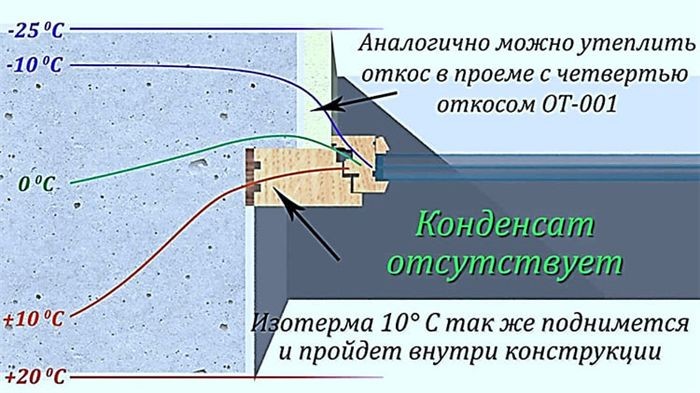
The window unit must be thoroughly inspected by the owner, either alone or with the help of experts. Examine the following window designs to identify the source of a cold window sill:
- Poor quality assembly of the window by the manufacturer or non-compliance with energy efficiency indicators. To do this, check the glass unit for energy efficiency. It is necessary to light the lighter and bring it closer to the glass; in the reflection that appears, the reddish edging should be clearly visible, otherwise the double-glazed window is ordinary and it is this that cools the window sill beyond the norm.
- Checking the fittings. Take a candle and pass it around the perimeter of the window, determining the place of cold air entry by the deflection of the flame. In addition, check the operation of handles and hinges for operation.
- Checking the installation and the presence of a “quarter” on the outside of the opening, which protects the block from falling out and the foam from damage by ultraviolet radiation. The norm for installing a frame in an opening with a “quarter” is 1/3 of the wall thickness, and without it is 1/2 of the thickness, t.That is exactly how much the frame should be recessed in the opening.
- Check the quality of operation of the handle to ensure that the sash is tightly closed.
- Check the quality of fit of the glazing bead.
If all of the window elements functioned as intended during testing, then the cold window sill is most likely the result of subpar installation; either the stand profile was not insulated during installation, or subpar foam treatment was applied, which led to the formation of "cold bridges" that allow drafts to enter the space.
Vital. It is possible to fix this extremely dangerous flaw by carrying out fresh installation procedures.
Solutions
After locating the sources of window sill cooling, you can start to remove them. While some can only be removed during the warm season, the majority can be removed at any time of the year, in which case temporary heat-protective measures are implemented.
Corrective actions for PVC windows with cold sills:

- If it is discovered that a double-glazed window does not meet the declared energy efficiency indicators, contact the company that installed it. If the window is under warranty, they are required to replace the window unit with a new one at their own expense. As a temporary measure, you can install additional heat-protective film on the window.
- If you find that the fittings do not work, coat them with silicone oil, adjust the operation of the sash and close it tightly. If the fittings belong to the cheap class, it is better to replace them with new ones of higher quality.
- A non-working handle, which leaves a gap for cold when fully activated, must be replaced with a new one. To do this, remove the decorative strip by turning it at an angle of 90 degrees in any direction. Unscrew the fasteners, remove the handle and install a new one in its place using the removed fasteners. Then they put the decorative strips in place.
- The bead serves as a source of cold air – the reason is a poor-quality or outdated seal. To fix it, you will need to replace it with a new, better silicone one. To do this, remove the old gasket, clean the profile from dirt and install a new seal. Seal all detected cracks between the glass unit and the profile with silicone.
- Errors in installing the frame and window sill. Seal all the gaps between them, large ones with foam, and small ones with sealant. If cracks are more than 5 cm, install mineral wool in them.
- The source of drafts on slopes due to poorly insulated structures during installation, the seams are sealed and sealed. To do this, dismantle the slopes, foam the seams, install the slopes on a sealed surface. Slopes are also insulated additionally with mineral wool, isover, plasterboard and sandwich panels. The insulation material is fixed with special glue, puttied and painted in the required color.
- In the event that cracks are discovered in the winter and it is not possible to carry out major work, they can be temporarily closed with ordinary masking tape or self-adhesive foam sealant, as well as silicone sealant.
Additional measures for thermal protection

It is necessary to take action for the window sill’s additional heating if all attempts to adjust the window and remove the causes of its excessive cooling have failed:
- Direct additional heat from the radiator to the window unit: move curtains and blinds so that warm air circulates more intensely in the window area.
- Turn on additional ventilation or a dehumidifier to remove moisture from the premises that is formed during life processes.
- Check the operation of the heating system; at the estimated negative air temperature outside the window, maintain the temperature in the radiators at least 60 C.
- Increase coolant flow through the heating device from the boiler.

Installing a cutting-edge ventilation system with heat recovery, which supplies fresh heated air and ensures its circulation throughout the home or apartment, is a good way to combat cold window sills.
Why is it important to fix the problem??
The block has turned into a source of heat loss from the room if the owner notices that a PVC window’s sill is extremely cold during the colder months. This phenomenon has far more serious repercussions than it initially appears to be harmless.
- If window structures are exposed to negative temperatures for a long time, they will fail prematurely. Water and ice that form on the surface of the window cause warping, swelling, shrinkage and discoloration of the finishing layer. In some cases, this process causes cracks in the glass unit and leads to even greater heat loss.
- The room will become cold and the owner will be forced to raise the temperature of the coolant in the radiators, which will cause heating costs to increase significantly.
- Prolonged exposure to freezing temperatures causes both aesthetic and structural problems with the frame material, discoloring the polyurethane coating and causing cracking of the outer paint layer.
- Black mold and mildew grow on the slopes and walls around the window, which poses a serious threat to the health of others.
- The cold surface of the window sill creates a feeling of cold and causes discomfort for residents; it is unpleasant to be in such a room and this reduces human activity.
There are numerous reasons why PVC windows get cold sills, but they frequently point to issues with inefficient windows, high humidity, excessive heat loss, and inadequate ventilation in the space.
Useful video
There could be a few different reasons why the sill of your plastic window feels chilly in the winter. A typical cause is inadequate insulation surrounding the window frame, which lets chilly air in and cools the sill. Gaps in the weather stripping or caulking that is intended to keep these areas warm from the outside may be the cause of this.
The thermal conductivity of the materials used to construct the windows is another potential reason. Because of its composition, plastic can transfer cold from outside even though it has insulating qualities. This implies that in extremely cold weather, even properly installed windows may feel chilly to the touch.
Use a candle or a small piece of paper to feel around the window frame for drafts to determine the precise cause. There are air leaks that need to be sealed if the flame flickers or if the paper moves. Furthermore, if the sill is noticeably colder than other regions of the window frame, it may indicate that there are insulation problems. You can check this by touching other parts of the frame and comparing the temperatures.
By taking care of these problems, you can greatly increase your home’s wintertime comfort and energy efficiency. Your living spaces can be kept more comfortable during the winter months by properly sealing air leaks and taking into consideration thermal curtains or insulating window films.
Feeling a cold window sill in the winter on a plastic window can be unsettling and may indicate problems with ventilation or insulation. This article examines common causes of this chill, including inadequate insulation in the sill itself, shoddy window frame sealing, and even problems with window installation. Homeowners can ensure a more comfortable interior climate during the winter months by taking actionable measures to increase warmth and energy efficiency by being aware of these possible causes.


