
It seems that we are all a little tired of flawless gloss and cold minimalism. They are being replaced by interiors that exude warmth, history, and carefree naturalness. We are talking about rustic style. It is not about roughness or carelessness, but about the authenticity of materials, cozy simplicity, and a deep connection with nature.
Imagine a massive wooden beam under the ceiling, textured plaster on the walls, and soft light pouring from a wrought-iron lamp. In such a space, you don't want to rush. It's easy to breathe here, and every object, whether it's a vintage chest or a wicker chair, seems to have its own story. The rustic style is a return to the roots, but with modern comforts.
Today, this approach is more relevant than ever. It offers a long-awaited balance between the chaotic pace of city life and an island of tranquility in your own home. This is a style for those who value eco-friendliness and naturalness and want to create an atmosphere of reliable, earthy comfort around themselves, where time seems to slow down.
What is it
The new trend of using natural materials forms the basis of rustic style, the main purpose of which is to decorate a home with a rough but attractive and natural beauty. By using only natural shades for interior and exterior decoration, many homeowners can create a rustic style in their homes without resorting to the help of professionals. The rules and principles for creating this style will help you to decorate your home elegantly, without neglecting the advantages and disadvantages of the rustic look.
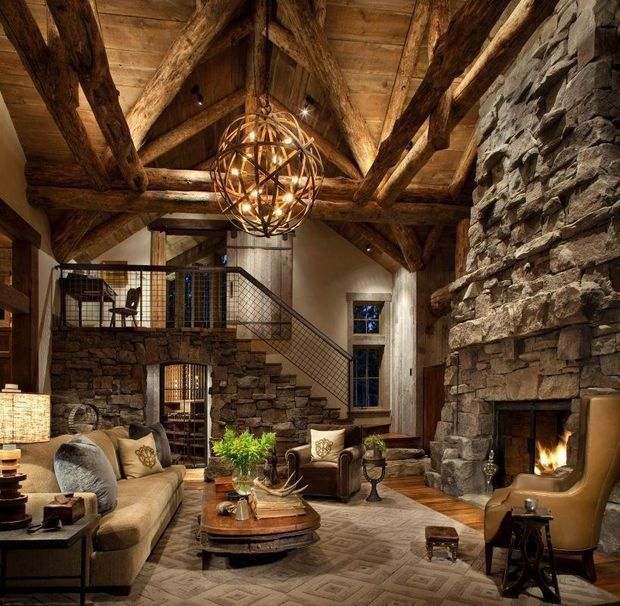
The basis of this design is a comfortable space using natural colors and shapes. This design is based on the presence of massive furniture and rough items, so the implementation of this style is often reminiscent of the design of country houses. Each item and interior detail undergoes minimal processing, while retaining its naturalness and appeal.
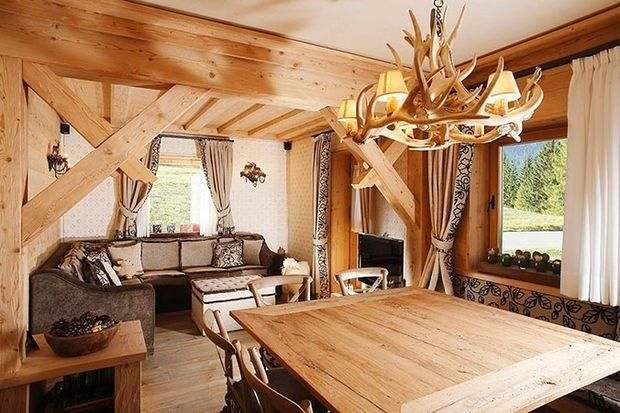
Another advantage and accessibility of this style is that the surface of the furniture is artificially finished so that its texture is as close as possible to a simple but expressive appearance. Modern household appliances are easily disguised as part of the overall interior, and residents do not need to worry about issues related to the functional use of the premises.
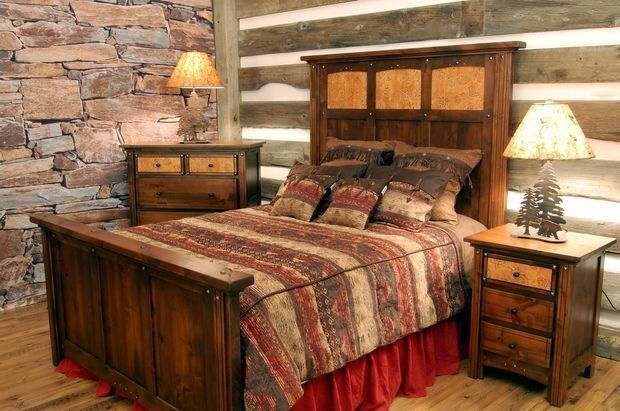
Features
Centuries-old European culture is based on philosophy and a way of life involving handicrafts and family traditions. Any unpolished, rough object is individual and unique, memorable for the charming originality of its handiwork.

Wood
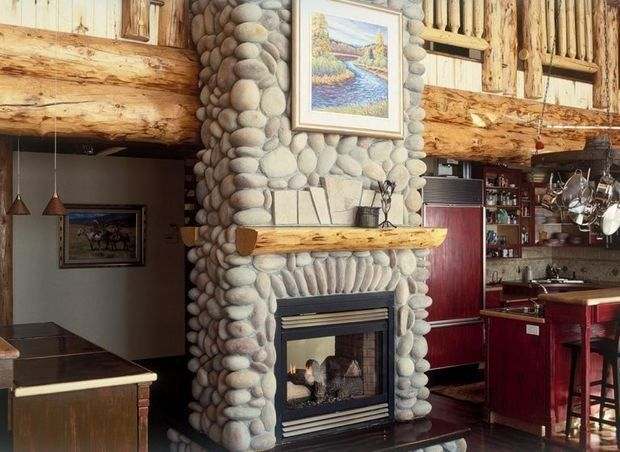
A rustic interior design involves the use of wood in both exterior and interior finishes. Floors, walls, ceilings, furniture, tableware, decorative ornaments — wooden elements are essential for creating a genuine rustic look.
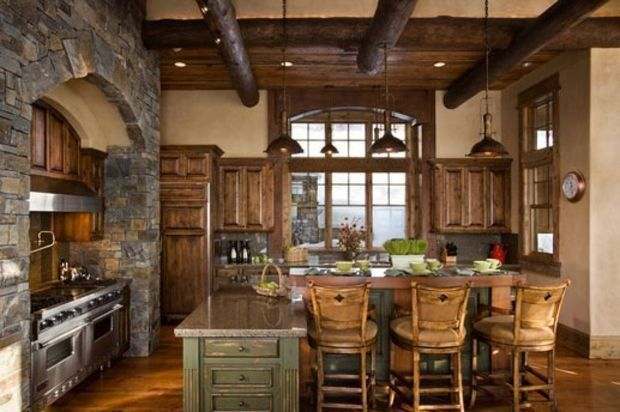
Stone
Natural materials in home design are an integral part of the modern trend, and the rustic style in the interior will be most fully reflected if some details are made using quartz or sandstone. Untreated stone blends particularly harmoniously with natural wood. A paved stone floor creates an impression of strength and reliability, characteristic of rural residents.

Artistic design
The color range of wood varies from light brown shades of alder, maple, and walnut to dark halftones of oak or beech, giving things a distinctive “antique” look. Pieces of furniture forgotten in attics and old items in storage rooms are given a second life. The use of muted red, yellow, and marsh shades will not interfere with creating the perfect look. The exception is geometric or abstract patterns. They prevent the creation of a clean style.
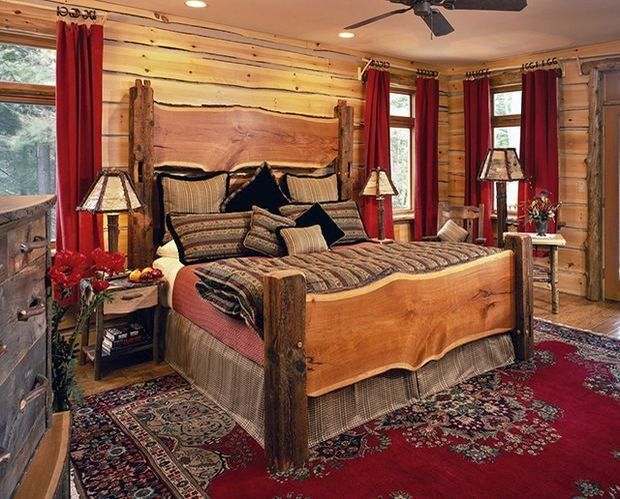
How it differs from country style
Rural home decor emerged in America relatively recently. Forty years ago, country style was considered traditional among middle-income people. Nostalgia for cowboy ranches with fireplaces and the smell of hay took hold of people, and the fashion trend took root on the continent. But there is a significant difference between the two styles, because country is an American style, while rustic is European.
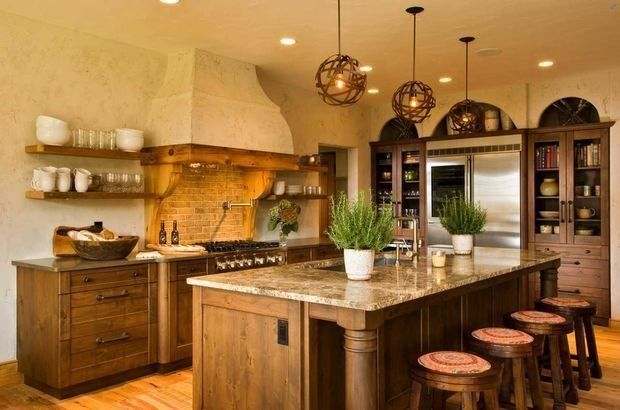
Difference #1. Country design is strictly retro in style, i.e., rooms are furnished with old furniture, sanitary ware, and other similar items. This differs significantly from rustic design, which allows the use of modern details decorated in an “antique” style. The rustic style implies an unlimited number of different finishing materials.
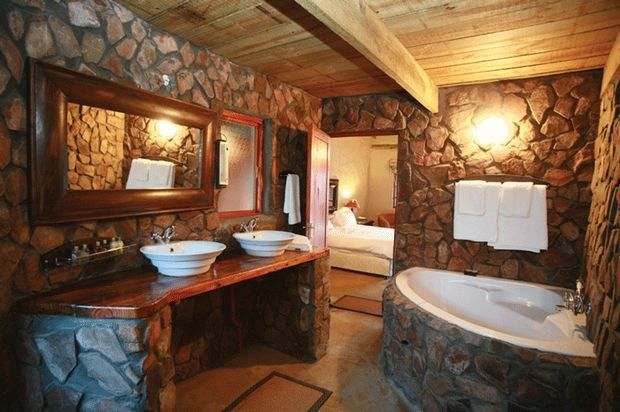
Difference #2. The country style is characterized by an abundance of textiles and decorative items, while the rustic interior strives for open space with a minimum number of accessories.

Difference #3. Both styles differ in their color schemes, with the American style featuring rich, vibrant colors. The European style palette is characterized by muted, natural tones.

Rules for creating an interior
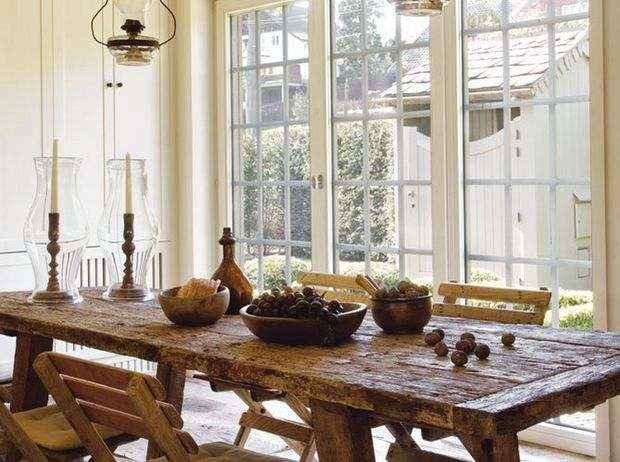
Kitchen utensils in the form of antiques and vintage items help to create the cosiness and warmth of rural charm. Hanging pots and pans on a wooden cart wheel or inserting window frames worn by age are all actively used and give the room a special charm. A massive table with a stone or wooden surface greatly helps to recreate the image of rural life.

Window and door structures made of natural wood with many small divisions are not affordable for everyone. Many supporters of this type of home design opt for laminated PVC windows disguised to match the style. Simple furniture decorated with carvings and wooden shelves with clay bowls complement the peaceful atmosphere.

Materials
Natural wood with cracks and a knotty surface is not subjected to perfect processing, and stone is not polished. Such nuances characterize the rustic style. A vase with wildflowers on a table with an unfinished tabletop emphasizes the uniqueness of the rustic interior.

Walls
Wall cladding with wood or stone without additional finishing is more common than other methods. However, the use of paint is sometimes acceptable. It is applied carelessly, preserving the roughness and brush marks. Rooms with high humidity (bathrooms) are covered with tiles imitating wood or iron.

Floors
Boards are more often used for flooring. They are designed to look natural. Sometimes a tinting material is used, or they are covered with carpet. Modern ceramics imitating the surface will emphasize the overall rustic style. Currently, there is a trend towards flooring design using various styles. An outdated view of decoration without decorative elements does not appeal to consumers.

Ceiling
Designing a rustic ceiling is no easy task. Creating the look of wild nature from wooden fixtures is a job for experienced designers or homeowners with experience in construction. Installing contrasting massive beams and other elements requires a lot of free space.

However, in standard buildings with a ceiling height of 3.5 m, false blocks are used. Traditionally, they are installed in two layers. The first layer is beige, gray, or white plaster. The next layer consists of beams in contrasting colors: terracotta or walnut.

The rustic style is about warmth, simplicity, and closeness to nature. Imagine rough wooden beams, stone walls, wicker furniture, and the feeling that the house has stood for centuries, gaining character. This style is back in vogue because people want comfort and sincerity in their interiors — without unnecessary glitz, but with an atmosphere of genuine warmth. The main thing is not to copy, but to feel: let things be simple, but with soul.
Furniture
Modern models that imitate the color of wood or stone create a minimalist design. A table with attractive chrome legs can be placed harmoniously next to a plank wall to complement the overall interior. To create an exquisite decor, rustic-style furniture is placed with one antique element, such as a massive dining table reminiscent of the simple surroundings of a peasant's house.
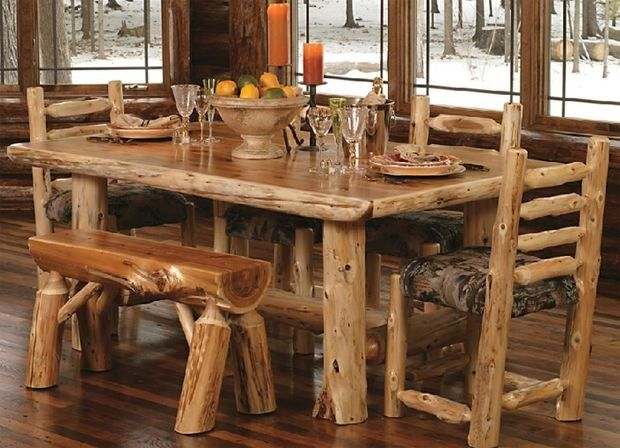

Decor
The rooms are furnished with rough linen, woven rugs, and burlap. Antique chests, dressers, and sideboards are used for decorative purposes. Boxes and woven baskets are used to collect berries, mushrooms, vegetables, and fruits.
Combination in design
It is difficult to imagine a completely antique interior in a city apartment nowadays, so all items are combined with modern mirrors, lamps, and plastic. The rustic trend is a “cocktail” of old and new items and decorative materials.


As you can see, the rustic style is not just a tribute to fashion, but a real trend towards awareness. In our technology-overloaded age, more and more people are striving to create their own cozy corner of nature at home. This style gives you exactly that feeling — peace, warmth, and authenticity.
Its main appeal is that it is accessible to everyone. You don't need a huge country house to bring a little rustic charm into your apartment. A couple of details are enough — a rough wooden table, a wicker basket, or a textured rug made of natural materials. This is a style that forgives imperfection and values character.
By bringing rustic elements into your home, you create a space where you can truly relax. There is no place here for cold glitz or strict order. There are only warm, pleasant-to-touch things that preserve history and breathe life. This style is not for show, but for the soul.


