
Foggy windows are a common wintertime nuisance in houses, apartments, and even balconies. Condensation is the result of warm, humid interior air coming into contact with a cold window glass surface. Prolonged moisture can cause mold and damage window frames in addition to obstructing views. Many resort to traditional remedies in order to effectively manage this problem, even though contemporary solutions like dehumidifiers and double-pane windows are helpful.
Traditional medicine provides easy-to-follow guidelines for preventing and minimizing window fogging. A common technique is to use a vinegar and water mixture. Just fill a spray bottle with equal parts water and white vinegar. Use a clean cloth to remove the solution after spraying it onto the inside of your windows. By changing the glass’s surface tension, the vinegar aids in the formation of a thin film that lowers condensation.
Using a soap solution is an additional useful tip. Using a soft cloth, apply a small amount of water and mild dish soap to the windows. After lightly rubbing the solution onto the glass, use a dry cloth to wipe it off. This technique forms a film that prevents condensation buildup, much like the vinegar solution.
If you would rather take a natural approach, you might want to use silica gel packets. These can be reused and are frequently found in packaging as moisture absorbers. A few silica gel packets can be taped to the bottom of the window frame or placed on your windowsill. They lessen the chance of fogging by assisting in the absorption of excess moisture in the air.
Furthermore, enhancing ventilation can greatly lessen condensation on windows. Make sure all rooms have adequate ventilation, particularly bathrooms and kitchens where moisture can accumulate easily. By periodically opening the windows, you can let humid air out and keep the interior atmosphere balanced.
You can effectively manage and reduce window fogging in your home, apartment, or balcony by implementing these easy-to-implement yet highly effective folk remedies into your winter routine. By minimizing moisture-related problems, these techniques not only support the preservation of clear views but also promote a healthier indoor environment.
Learn how to stop windows from fogging in the winter by using homemade remedies and traditional recipes. This article discusses useful advice that homeowners and apartment renters can use to keep their windows clear and free of condensation during chilly months. Discover how to keep visibility and comfort in your living spaces throughout the colder months, from applying specialized coatings and utilizing vinegar solutions and silica gel packs to modifying indoor humidity levels.
- Is it possible to rub window panes to prevent them from sweating??
- Suitable substances
- Glycerol
- Alcohol solutions
- Salt based
- Use of newspapers
- Store-bought defoggers
- Shaving product
- Tools and accessories
- Step by step instructions
- Use of glycerin
- Alcohol or vodka
- Newspapers
- Shaving foam
- Liquid saline solution
- Chemical goods from the store
- Why such methods may not work?
- Video on the topic
- How to get rid of Mice The most pleasant way!
- I filmed Kirkorov drinking backstage at a concert!!!#concert#kirkorov#drinks
- How to cool a room? 4 ingenious tricks! It"s hot in the apartment! What to do?
- The ideal window cleaner. No streaks, with a pleasant smell. Windows shine and sparkle.✨✨✨✨✨✨✨
- The best way to remove condensation from plastic windows. 👍Fresh air around the clock
- How to quickly eliminate unpleasant odors/Easy to prepare and almost free.
- Eliminate fogging of plastic windows Life hack for the house
Is it possible to rub window panes to prevent them from sweating??
Fogging and condensation on windows is not a recent issue. These kinds of issues are frequently encountered by apartment owners whose windows are installed in violation. Inadequate ventilation is another reason for fogging.

This also includes the room’s high humidity and the temperature differential between it and the outside.
Condensation typically collects and flows down the lower portion of the glass unit on windows, indicating that condensation builds up around the entire window.
Owners dealing with fogging issues want fast fixes, but it will be challenging to address this issue if the underlying cause isn’t removed.
Using soapy water to rub the window product is one of the most popular methods. Scrummy and oily glass retains condensation incredibly well, particularly in spaces where smoke tends to gather. It’s possible that moisture droplets won’t stay on the glass unit’s surface if you clean the glass of debris and oil.
Note: In order for the technique to be effective, the temperature and humidity in the room with the double-glazed windows must be brought back to normal and the ventilation quality must be closely inspected.
Suitable substances
Indoor window fogging can be removed with a variety of materials and home remedies:
- glycerol;
- alcohol or vodka;
- saline solution;
- newspapers;
- chemicals with weak acids and surfactants;
- shaving cream.
Every suggested approach has a unique condensate principle of influence.
Glycerol

Because it is a common addition to detergents and cleaning supplies, this trihydric alcohol is present in almost every home.
Because it dissolves easily in both water and alcohol, glycerin and alcohol are frequently combined to remove condensation from windows.
In addition to cleaning glass, glycerin leaves a thin film on the surface that keeps moisture droplets from building up.
Alcohol solutions
Alcohol or vodka has a cleaning effect that clears the glass unit’s surface of all dirt and debris.
Because of this, condensation will not form on glass treated with these materials, or if it does, it won’t stay long.
An anti-fog agent made with glycerin and alcohol will have a more noticeable effect. The reason for this is that glycerin lowers the surface tension of water droplets and works better when combined with alcohol; when used alone, however, a greasy film forms on the glass’s surface.
Salt based
It is well known that salt has the ability to draw water. Saline solution can therefore stop moisture from growing on windows.
Crucial! To prevent abrasive damage to the glass unit when using a saline solution, all of the salt must dissolve completely in the water.
Use of newspapers
Newspapers do not leave streaks, so using them to clean glass is not only important for removing dirt, but also for preventing fogging.
A material found in newspaper ink that is used to print text can rub the glass unit to shield it from moisture drop accumulation. This is the first option that should be tried; if it doesn’t work, you should try using chemistry.
Store-bought defoggers
Use products that you have purchased to prevent ice and moisture from forming on windows. Both liquid and aerosol forms are accessible for them. Aerosols are far more cost-effective to use than liquid formulations, which are more costly but require larger quantities.
Preventing the unexpected appearance of condensation is the function of these anti-foggers. The products have flavorings, additives, and alcohol. Alcohol’s adherence to glass surfaces is reduced when it gets on them. As a result, tiny drops grow bigger and eventually roll down due to their own weight. Glass maintains its cleanliness.
This is the basis for how anti-foggers for car windows operate, so if a home remedy doesn’t work, try using automotive formulations.
Shaving product
Using shaving foam or cream is an additional uncommon but equally effective technique. Though regarded as "outdated," this technique works well to prevent fogging, even on interior car glass. Any shaving cream or foam will do; even ones that have expired. The product works on the basis that it contains glycerin, which stops fogging.
Take note: toothpaste works similarly in this way, and some apartment owners who have experienced this issue have also suggested using it.
Tools and accessories
In order to expedite the process of resolving the double-glazed window issue, it is advised to set up all necessary tools and equipment beforehand, specifically:
- rags;
- rubber scraper;
- container with water;
- brush with bristles;
- sheets of paper.
This is a basic glass cleaning set, but it also works well for clearing condensation.

It is preferable to bring two different kinds of rags: woolen and fleece-based.
Cloths made of fleece or viscose are excellent at removing dirt from the surface of glass.
If you need to apply and rub in a specific composition to the glass’s surface, a woolen rag works well.
A microfiber cloth is another option; it doesn’t leave streaks on the window.
If there are old stains on the window’s surface that have gotten embedded in the glass, you’ll need a rubber scraper. You’ll probably need to use a scraper and wet the surface because you won’t be able to get rid of them with a regular rag. You’ll also need a brush to help clear the dust that has accumulated on the windows for the same reasons.
Select a water-filled container that makes cleaning windows simple. It is preferable to use a bucket and periodically replace the water in it if the surface is large. In the event that rags still leave stains on the glass, sheets of paper are also required.
Step by step instructions
It is advised that you follow the detailed directions for using each of the products on this list in order to achieve the desired outcome.
Use of glycerin
Using a soap solution to clean the double-glazed window initially will help get rid of any dirt or congealed dust that may have accumulated on the surface. You should also adhere to the guidelines:
- Mix glycerin with alcohol in a ratio of 1:10.
- Wipe the window with a microfiber cloth.
- Prepare several cotton swabs.
- Wet the swabs alternately in a solution of glycerin and alcohol and wipe the glass from top to bottom.
Vital. Particular focus should be placed on areas where condensation is typically observed. It’s crucial to leave the applied solution on for a few hours rather than washing it off. A gentle cloth can be used to wipe away any streaks that may have formed on the window.
How to use glycerin to get rid of fogged windows:
Alcohol or vodka
You can also use alcohol or vodka in place of glycerin. You must adhere to these guidelines in order to do this:
- Dissolve the detergent in warm water and mix.
- Use a soft cloth soaked in soapy water to remove dust and dirt from the glass.
- Wipe the glass with a dry, lint-free cloth.
- To completely remove excess moisture, you need to walk with a scraper along the surface of the glass.
- Soak a foam sponge in alcohol or vodka.
- Gently lubricate the glass with a sponge.
After applying the alcohol treatment, it’s crucial to wait until the window dries completely before wiping it again.
Newspapers
Considering that nearly every home has old newspapers, this approach is thought to be the most accessible. In order to use this method for processing glass, you must:
- Take clean newspapers.
- It’s good to crumple them and unfold them.
- Wipe the glass from dust and dirt with soapy water and a microfiber cloth.
- Unfold the crumpled newspapers and wipe the dried glass with them.
Because printing ink repels water, condensation won’t build up on the window’s surface in the future.
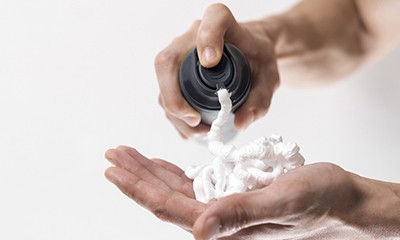
Shaving foam
Few people are aware that you can stop moisture and condensation from appearing on your windows by using regular foam, cream, or shaving gel. To do this, the following is required:
- Wash the glass well with soapy water.
- Wipe the glass dry with a soft, lint-free cloth.
- Prepare the foam: it can also be expired – it doesn’t matter.
- Apply a thin layer of foam from the dispenser onto the glass.
- Carefully rub the foam into the glass.
- Process all the glass in this way.
- After 2 minutes, wipe the glass completely dry.
This method can be applied frequently without worrying about compromising the glass unit’s quality.
Liquid saline solution
Because salt can extract moisture, using a saline solution will make sense. To do this, adhere to these guidelines:
- Dissolve an incomplete tablespoon of salt in 4 liters of warm water.
- The solution is mixed well.
- After a couple of minutes, the solution must be filtered through a sieve to remove undissolved grains of salt.
- The glass is first cleaned of dirt and dust and wiped with a cloth.
- A clean rag is soaked in the solution and the glass is wiped with it.
Note: You must dilute the solution with water and repeat the process if a white film forms on the glass following treatment with a salt composition.
Chemical goods from the store
The easiest—though not the least expensive—way to prevent windows from fogging is to use store-bought glass anti-foggers. How to perform it more effectively:
- purchase a composition made in the form of an aerosol;
- Following the instructions, spread the composition to the surface of the glass;
- wait for the product to work;
- Wipe the glass dry.
These products start at 120 rubles, and you can also use compositions made specifically to stop glass from fogging inside cars.
Why such methods may not work?
Listed Methods might not be effective for a number of reasons:
- too big difference in temperature outside and inside;
- poor ventilation;
- lack of a kitchen hood;
- incorrect windows;
- manufacturing defect of glass.
Eliminating the listed factors is worthwhile if they are the cause; this will expedite the resolution of the issue.
| Recipe or Remedy | Description |
| Vinegar Solution | Mix equal parts of vinegar and water in a spray bottle. Spray on windows and wipe with a clean cloth to prevent fogging. |
| Baby Shampoo Trick | Apply a small amount of baby shampoo diluted with water to the window surface. Wipe off excess to create a fog-resistant layer. |
It’s imperative to keep your windows clear and fog-free in the winter to keep your house cozy and healthy. Whether in a home, apartment, or balcony, we have examined numerous do-it-yourself solutions and traditional recipes that can successfully tackle window fogging in this article.
The solution of vinegar and water turns out to be an easy yet effective cure. Its acidic qualities aid in dissolving residue and avoiding fogging. By using this solution on a regular basis, you can build a barrier against condensation accumulation on your windows, allowing you to see clearly even on the coldest days.
Another useful remedy for those looking for a natural approach is rubbing alcohol mixed with water. This mixture not only removes dirt but also evaporates fast, minimizing the possibility of fogging. When used with a microfiber cloth, it provides a long-lasting, streak-free shine during the winter.
Adjusting indoor humidity levels has a significant impact on window fogging, even beyond cleaning solutions. Maintaining clear visibility and reducing condensation on windows can be achieved by controlling indoor moisture levels with a dehumidifier and adequate ventilation.
Last but not least, placing homemade moisture absorbers or silica gel packets close to windows can absorb extra moisture and stop fogging before it starts. This preventative measure is especially helpful during extreme weather conditions or in locations that are prone to high humidity.
You can battle window fogging and have clear, unhindered views all winter long by incorporating these useful tips into your routine maintenance. Whether you go for contemporary or conventional solutions, maintaining clear windows makes your home more comfortable and enjoyable.


