
The glazing bead is an important detail on wooden windows that is sometimes overlooked. This tiny but important component is essential to keeping the glass firmly in place, which guarantees the window works well and looks fantastic.
Glazing beads come in a variety of forms, each with special qualities and advantages of their own. By being aware of your options, you can improve the look and functionality of your wooden windows by selecting the best one.
Glazing beads serve more functions than just holding the glass in place. Additionally, it offers a seal that aids in insulation, maintaining the comfort and energy efficiency of your house. A carefully selected glazing bead that blends in perfectly with the frame can even improve the window’s overall appearance.
Most do-it-yourselfers can handle installing or replacing a glazing bead with the correct equipment and advice. Understanding the procedures will guarantee that your windows stay in excellent condition for many years to come, saving you both time and money.
| Aspect | Details |
| Types | There are several types of glazing beads, including wooden, plastic, and aluminum. Wooden beads are often used for their natural look and compatibility with wooden windows. |
| Purpose | The glazing bead holds the glass pane securely in the window frame, preventing it from moving or falling out. |
| Installation | To install a glazing bead, measure and cut it to fit the window. Then, secure it in place with nails or screws, ensuring a tight fit against the glass. |
| Replacement | To replace a glazing bead, carefully remove the old bead with a pry bar, clean the area, and install a new bead using the same steps as the installation. |
- What is?
- What is it needed for?
- What varieties exist?
- How to choose the right one?
- Tools and accessories for work
- Step-by-step installation instructions
- With double glazing
- In conventional wooden structures
- Difficulties and errors during the installation process
- When to Replace?
- Replacement Guide
- How to extend service life?
- Average prices in the Russian Federation
- Video on the topic
- Wooden window bead.
- We cut window glazing quickly and professionally
- Installation of Deceuninck bead. Details.
- HOW TO NAIL BEADINGS CORRECTLY
What is?
A glazing bead is a bar or strip used in wooden window frames to hold the glass in place. In addition to deciduous trees, spruce or pine are used to make the slats. Typically, these window elements are constructed from the same kind of wood as the windows for which they are meant.
What is it needed for?

Glass in wooden window frames is intended to be safely held in place by wooden beads.
Once upon a time, regular window putty served as a substitute for wooden slats until it eventually cracked and leaked.
Wooden slats that hold glass in place are more dependable, useful, long-lasting, and aesthetically pleasing.
The primary function of the rail is to hold glass in a wooden window frame or double-glazed windows in place. All the way around the frame, it is attached. There are a few more crucial tasks that this component needs to complete:
- hold the glass tightly in the frame;
- prevent the penetration of dust, moisture, and cold air from the street into the room;
- serve as additional protection from external noise;
- be a kind of decorative element that completes the appearance of the window.
An essential component of a wooden window is the beading. The integrity of the glass unit and the sealing of the structure may be jeopardized if it is chosen or installed improperly.
For wooden windows, rubber seals also aid in preserving the room’s heat. The influence of moisture and temperature fluctuations causes cracks and gaps in wooden windows to gradually manifest. Consequently, this compromises the structure’s tightness. Silicone or sealant can also be used in this capacity.
What varieties exist?
Compared to plastic structures, wooden structures are more frequently placed in public or private buildings.
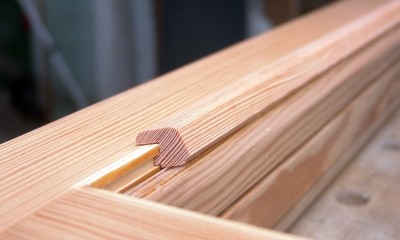
Wooden window frame beads can vary and have specific qualities.
- by type of wood;
- section shape;
- section size.
Tree varieties are used to make glazing beads. They should ideally complement the kind of wood used to make the window, but this is not required. Windows are made of pine, spruce, beech, alder, oak, ash, willow, and walnut wood slats.
The most popular shape is semicircular glazing beads made of wood. However, it can be curly, convex, concave, or rectangular.
The type of window—a regular frame with glass or one with a double-glazed window (single or double chamber)—determines the sealing strip’s cross-sectional size. The number of chambers in a double-glazed window determines how wide or narrow the glazing beads should be.
In comparison to double-chamber designs, a single-chamber double-glazed window needs a wider rail. A double-glazed window cannot be fitted with a standard batten. Conventional slats have an average cross-sectional size of 10 x 10 mm.
The companies that make wooden euro windows also make glazing beads for double-glazed windows. New window frames typically come with the necessary quantity of pre-made glazing beads in the required size and shape, taking into consideration the quantity of chambers in the double-glazed window.
Hardware stores sell wooden slats for replacing broken glass in standard window frames. They are produced in factories that make wood and carpentry.
How to choose the right one?
When selecting glazing beads, make sure to look closely at the item. This element’s primary function is to firmly retain glass or double-glazed windows within the frame and stop blowing in moisture and dust.
The best choice is if the product’s construction material is the same as the window frame’s. Additionally, the slats’ shade needs to coordinate with the wooden window’s color.
You should be mindful of the wood’s quality; the finished product should be flawlessly smooth and free of knots and cracks. A faulty strip could break during installation because it won’t fit the glass unit securely.
Tools and accessories for work

The following tools must be ready before you install glazing beads into the window frame:
- the required number of wooden slats of the required section;
- silicone, sealant;
- construction gun;
- special carnations (with invisible caps);
- special light hammer.
For wooden windows, a glazing bead is an essential part that holds the glass pane in place within the frame. Glazing beads come in a variety of forms, each intended to fit a specific window style and application. Knowing why glazing beads are used aids in selecting the best one and guarantees correct installation, both of which are essential for the longevity and functionality of windows. Additionally, you can avoid spending time and money on window repairs by learning how to replace a glazing bead. The various kinds, uses, and techniques for installing and changing glazing beads in wooden windows will all be covered in this article.
Step-by-step installation instructions
Let’s examine the correct way to install a glazing bead in a wooden window in more detail.
With double glazing
The way that wooden beads are installed in double-glazed windows is different from how plastic elements are installed.
Wood products are fastened with tiny invisible-head nails. As tightly as possible, the nails are driven through the bead and into the frame to the glass in the location that the manufacturer specifies.
An electric or pneumatic hammer, which functions similarly to a stapler or a specialized light hammer, is used for this procedure. The remaining cracks are filled with transparent silicone after the strip is fixed around the glass unit’s perimeter, and any excess is scraped away with a rubber spatula or specialized remover.
In conventional wooden structures

- The entire perimeter of the frame is coated with a thin bead of silicone – 3-4 mm thick.
- The prepared glass is applied to the frame and pressed tightly so that there is no gap between the glass and the silicone.
- A pre-prepared and measured glazing bead is applied to the frame and glass and carefully nailed with small nails parallel to the glass so as not to split it.
Difficulties and errors during the installation process
- The glazing bead must be installed on a wooden window using silicone or sealant. If this is not done, then dust, moisture, and noise from the street will get between the glasses.
- For a wooden window frame, only wooden slats should be used, preferably of the same type, to ensure a tight fit to the frame and glass and not to disturb the decorative effect.
- If the window has two sashes, then the glazing bead for the outside of the frame must be of such quality as to ensure better density and tightness. For the inside, the slats serve a more decorative function.
- Elements for fastening the slats should not be noticeable, otherwise the window will look sloppy.
Regular glazing beads are simple to change, but they are incompatible with double-glazed windows. In order to replace them, you will need special hammer and strips that allow the nails to be subtly driven into the frame.
If you are unfamiliar with replacing glazing beads in wooden window frames with double-glazed windows, it is best to hire experts to do the work. If mistakes were made when changing such a component, the structure’s sealing could be compromised, or the glass unit could sustain damage.
When to Replace?

The time comes when the beads need to be changed. In such situations, replace the wooden slats:
- the clamping bar is dry or cracked;
- the element is deformed;
- the rail is moldy or rotten;
- when replacing double glazing or glass.
These factors cause the glass to rattle, the window seal to break, and moisture and dust to seep into the frame. Here, new slats have been installed in place of the old ones.
Replacement Guide
The same instruments as for the first installation are required to replace the old slat with a new one, along with sandpaper and a chisel or narrow spatula.
- Using a chisel or narrow spatula, carefully remove the old slat from the frame. First, pry up the long glazing bead in the center, where it is attached with a nail. The same is done with the other attachment points, removing all the slats in turn.
- The glass is removed.
- The glass and frame are cleaned of old silicone with sandpaper.
- The frame is painted with new paint or varnished if necessary.
- A new thin layer of silicone or sealant is applied around the perimeter of the frame.
- The glass is installed in place and pressed tightly against the frame.
- The prepared new glazing bead is placed in the window opening.
- The slats are nailed with thin nails using a special hammer.
Gaskets are changed concurrently with the glazing bead replacement. Silicone used in construction is applied to the cracks.
How to extend service life?
To increase the product’s lifespan, you must adhere to these basic guidelines:
- The wooden element must be installed according to the rules and fit tightly to the glass.
- The glazing beads on the outside of the window deteriorate faster, so they should be regularly cleaned of dust and dirt and periodically painted or varnished, just like the window.
Average prices in the Russian Federation
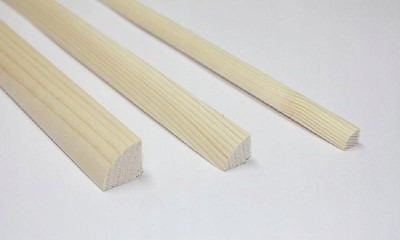
Slat costs for wooden frames are essentially the same throughout the Russian Federation.
A wooden window bead crafted from coniferous trees typically costs about the same as it does in the Russian area.
The price range for wooden slats is 10 to 22 rubles per m.P. The wood type, length, shape, and section size all affect the slats’ cost. A window frame’s wooden elements are typically two meters long.
Maintaining and improving wooden windows requires an understanding of glazing beads. These tiny but essential parts provide stability and protection by securing the glass firmly in place. Selecting the best type for your unique window needs is made easier by being aware of the various types that are available.
The installation process is simple, regardless of whether you choose to use contemporary plastic beads or more conventional wooden ones. By replacing or installing glazing beads, you can easily increase the lifespan and functionality of your windows with the correct tools and a little perseverance.
Common problems like drafts and water leaks can be avoided by routinely inspecting and maintaining glazing beads. Long-term, this easy maintenance can save you money and time while maintaining the best possible condition for your windows.
Gaining knowledge about glazing beads and their function will help you maintain your wooden windows better. This improves the overall comfort and efficiency of your house in addition to its visual appeal.


