
Do you dream of a home full of greenery, but fear that your pets will wither away due to forgetfulness or lack of light? You are not alone. Many people deny themselves the pleasure of decorating their interiors with live plants, fearing that they will be difficult to care for.
Fortunately, nature has created true stoics of the plant world — species that forgive the mistakes of beginners and steadfastly endure the far from ideal conditions of city apartments. These plants can transform a space, adding coziness and freshness without requiring constant attention.
We have compiled a selection of the most resilient and impressive green friends. They will survive periodic droughts, put up with a lack of sun, and delight you with their beauty for years, giving you a sense of harmony and tranquility.
Want to green up your home, but afraid that the plants will die from neglect? No problem — there are dozens of “immortal” indoor plants that will survive even with forgetful watering, low light, and infrequent care. They are not only resilient but also beautiful: from lush zamioculcas to stylish chlorophytum. These green helpers will liven up any interior, purify the air, and lift your spirits — and they require almost nothing from you. Choose any one — and let your home breathe tranquility.
Succulents
After the scorching and arid South American prairies, nothing can scare them anymore. They are distinguished by dense stems or leaves with special tissues that retain moisture. The most famous representatives of this group are cacti.
Caring for them is easy. Use a specially selected soil mixture for succulents. If you don't like thorns, choose non-prickly cacti: Discocactus, Aylostera, Mammillaria bocasiana.
How often to water? Once every two days in summer and once every four days in other seasons.
Are they dangerous for children and animals? Most succulents are not poisonous, but they do have sharp spines.

Zamioculcas
Ideal for low-light rooms. Easy to care for: you can periodically forget about watering, feeding, and repotting. Oddly enough, the plant will thrive best in poor, unfertilized soil with sand and good drainage.
In addition, zamioculcas does not take up much space: a narrow, tall pot will suit it.
How often should you water it? When the soil in the pot is completely dry (if in doubt, wait another day before watering).
Is it dangerous for children and animals? May cause poisoning in anyone who tries to taste it.

Chlorophytum
This variegated perennial shrub immediately attracts attention with its green narrow leaves with white edges. Great for planters and tall structures. Any soil and pot size will do.
Chlorophytum is not afraid of shade and cool temperatures (up to +10 °C). At the same time, the plant purifies and humidifies the air in the house well. It is believed to even neutralize negative energy.
How often should it be watered? Every other day in spring and summer, once a week in fall and winter.
Is it dangerous for children and animals? No.

Fat plant
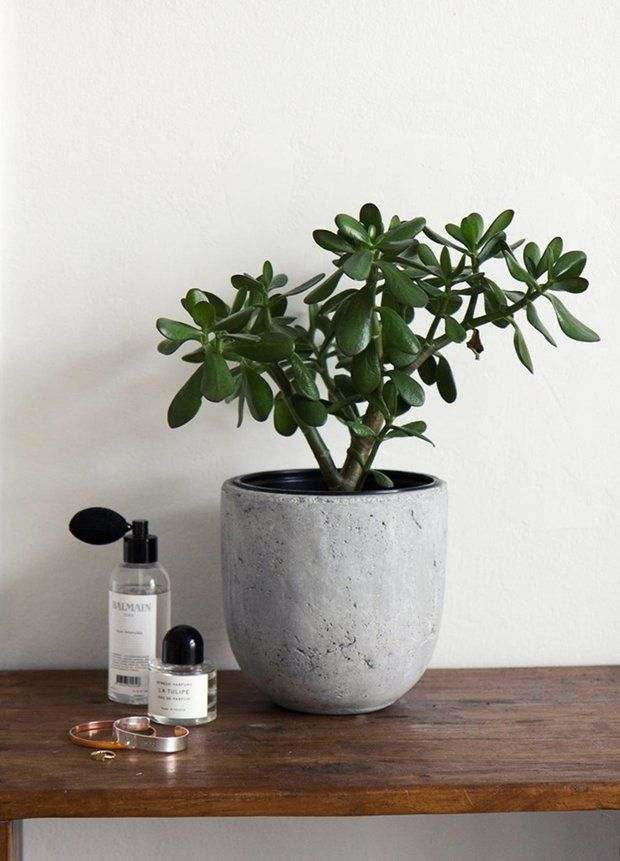
This is the “money tree” which, according to popular belief, brings financial prosperity. It got its name thanks to its dense leaves that retain moisture. Dry air and prolonged lack of watering will not harm it.
It thrives equally well in the south and north of the apartment. By the way, it is notable for its fertility: just stick a leaf in water or soil, and in a few days you will have a ready-made seedling.
How often should it be watered? In winter — 1–2 times a month, in spring and autumn — once a week, in summer — 1–2 times a week.
Is it dangerous for children and animals? It can cause poisoning — be careful.
Ficus
If you sometimes forget to water or fertilize your plants, ficus is the perfect choice. It is not easy to kill it by neglecting it: it is not afraid of dry air or lack of light.
For small rooms, you can choose varieties with small but no less impressive leaves. But even overgrown specimens will tolerate pruning without any problems.
How often should you water? Depending on the condition of the soil. Stick your finger in the soil: if it is dry and crumbly, it's time to water.
Is it dangerous for children and animals? Dangerous for people with asthma and animals (if ingested).

Sansevieria
If you have no experience growing plants, start with sansevieria. It is practically indifferent to heat and cold, light and shade, moisture and drought. In the winter months, it can do without watering altogether.
One of the few indoor plants that will survive in drafty corridors and near entrance doors.
How often should it be watered? As soon as the soil dries out. Watering is limited in winter: once every 2-3 weeks.
Is it dangerous for children and animals? It is safe for humans, but if ingested, it can cause poisoning in animals.

Pachira Aquatica
It is also called the “bottle tree” and is believed to bring good luck and prosperity. At the same time, the plant is very easy to care for: it can be placed in a shaded corner of the room and watered and sprayed infrequently (up to 7–10 days). Too much light and excessive moisture will only destroy it.
How often should I water it? It depends on the plant: make sure the soil does not dry out. If the leaves of the plant become limp, it means that it needs to be watered more often.
Is it dangerous for children and animals? No, the plant is safe for everyone.

Spathiphyllum
Its whimsical white flowers, similar to mini calla lilies, will delight you all year round. Spathiphyllum tolerates lack of moisture well: after a week or two without water, the flowers may wilt, but they will revive immediately after watering.
The plant will not refuse fertilizer, but it will not die without it. The main thing is to protect it from drafts and cold.
How often should it be watered? Every three days in summer, once a week in winter.
Is it dangerous for children and animals? Yes, it is better to place the plant higher up.

Nolina (Boccarnea)
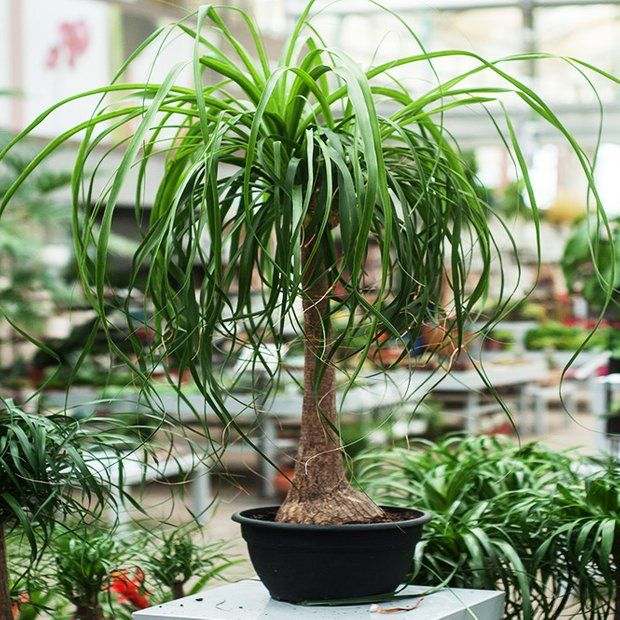
Feel free to go on a trip for a week or two — the plant will be fine. Nolina grows in the desert, so it is used to a lack of moisture. The plant needs loose, low-nutrient soil.
How often should it be watered? Once every 5–7 days, more often in hot weather. In winter, on the contrary, you need to water it twice a month.
Is it dangerous for children and animals? No.
So, if you are just starting out in indoor gardening or simply want to add some greenery to your home without too much hassle, these plants will be your reliable allies. Their main secret is not their capricious beauty, but their amazing vitality, which forgives minor mistakes in care.
By choosing one or more of these green pets, you create not just decor in your home, but a living, breathing atmosphere. They will not require your daily attention, but will delight you for years with their fresh leaves and purify the air. With them, your home will definitely become cozier and livelier.
Don't be afraid to experiment and enjoy the process. Even the most resilient plants are still living organisms that will respond to your care. Start simple, observe, and you will soon realize that growing greenery at home is enjoyable and not scary at all.


