
Have you ever thought about how many different paths a designer can choose when creating the look of your home? We often hear only about Scandinavian, loft, or classic styles, but the world of interiors is much richer and more interesting.
This article is your quick guide to 25 styles, from the well-known to the rare and unusual. Here you will find both time-tested trends and fresh trends that are just gaining popularity.
Our goal is not just to list names, but to show you a variety of possibilities. Perhaps this is where you will find the very idea that will completely transform your living space and make it truly yours.
Antique
It allows you to be transported to Ancient Greece or Ancient Rome. The use of columns in the interior has become a symbol of this style, and sculptures, bas-reliefs, and frescoes may also be present. Mosaic or marble flooring is preferred, and there may be paintings on the ceiling. The interior design is characterized by sophistication, lightness, and symmetry.


Gothic
This interior style embodies the Middle Ages – a rather gloomy period. Windows served as protection, so they were elongated and pointed. In addition, all kinds of stained glass windows, high towers, a large number of vertical elements, high ceilings, and wood carvings are used.


Classic
The design style has common features with antiquity, embodied in monumentality and symmetry, while using expensive materials and massive wooden furniture. The interior decoration is rich, with noble colors.


Baroque
Embodying splendor and expensive finishes. The design uses noble materials: mahogany, marble, and expensive textiles. This interior style appeared during a time of entertainment: horse riding, walks in parks, card games, and fireworks. Everything is ostentatious luxury, an abundance of details, frescoes, gilding, lots of colors, and all objects are decorated—from ceilings and columns to cutlery.


Rococo
This style replaced Baroque and is distinguished by its elegance and sophistication. Decor is also present, but it is lighter and more graceful. Rococo is a world of boudoirs and games. Pastel colors predominate, and gold remains in fashion. Screens, Chinese tapestries, porcelain, fish, and orchids appear. The furniture is light, with curved lines, and desks, chests of drawers, and secretaries appear.

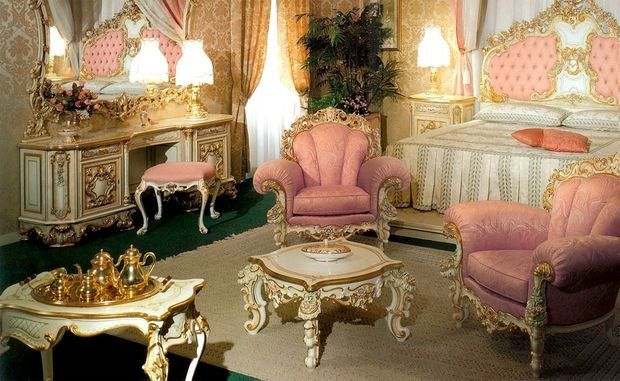
Empire style
It embodies imperial luxury, combining elements of antiquity and rich decor. The furniture is usually heavy, with details reminiscent of architectural objects such as arches and columns, carvings, and expensive upholstery. Mahogany ensembles are often used in the design. The lines tend towards simplicity.

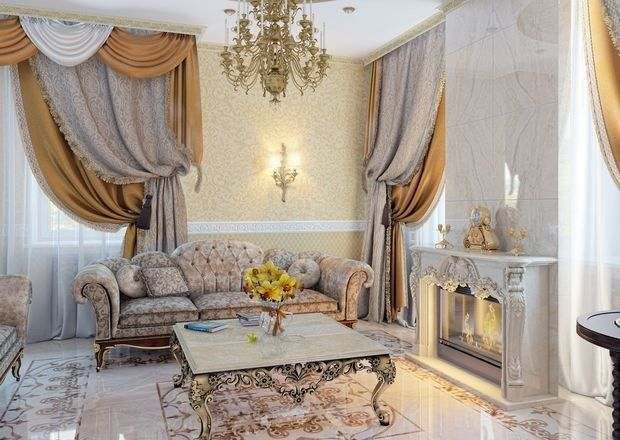
Modern
This type of interior is characterized by the absence of clear lines and angles, with smooth curves and natural lines being used instead. Wood is widely used, as well as glass, metal, tile, and porcelain. The design often features floral and insect motifs, large bay windows, and lancet windows borrowed from Gothic architecture.
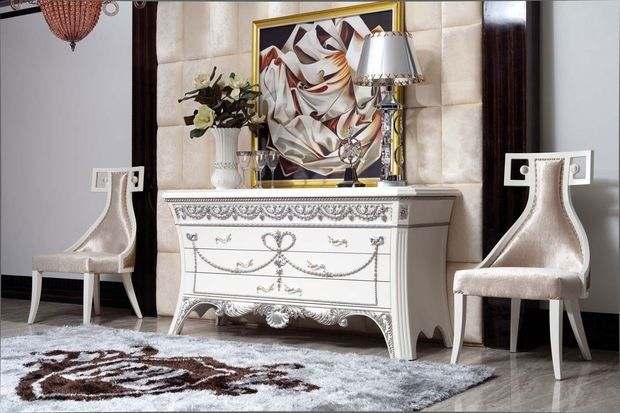

Art Deco
Flowing lines and curves are combined with straight lines, luxury with simplicity. Expensive materials are used, such as crocodile leather, ivory, and rare woods, but at the same time, simple plywood furniture styled to look expensive may also be present.

Constructivism
It is a very rational style in interior design, without excessive decor, while achieving maximum functionality. Everything is clearly thought out and balanced. The forms are simple and clear, and the materials used in buildings are metal and concrete. Furniture should be comfortable and simple to manufacture. This era is characterized by the development of mass production and the versatility of details.


Minimalism
The main goal of such an interior is to preserve free space. Only the most necessary furniture is present, it can be transformed if necessary, and accessories are kept to a minimum. The style is distinguished by a competent approach to forms: everything that violates the geometry of the room is hidden behind partitions.
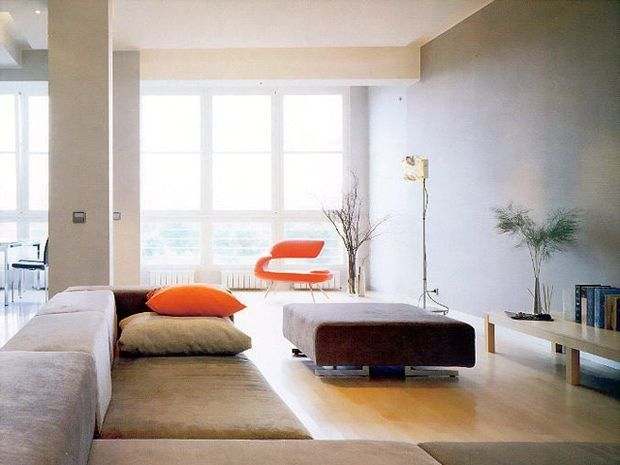
Pop art
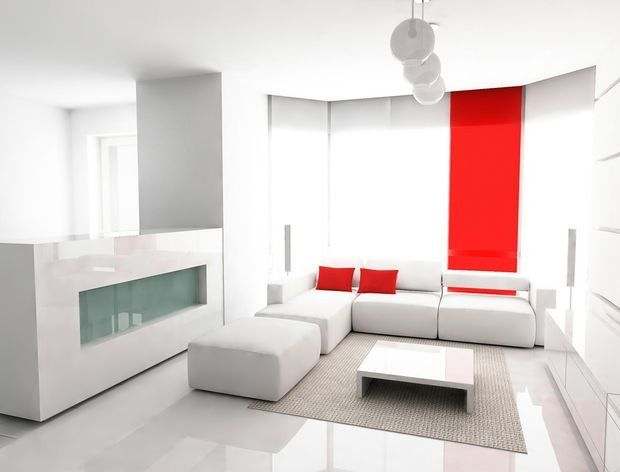
This style embodies brightness and is characterized by the use of “acid” colors, abstract patterns, glossy surfaces, and plastic. It is emotional, but white is usually the main color. The use of motifs such as posters, paintings, carpets, and colorful textiles is characteristic.


Kitsch
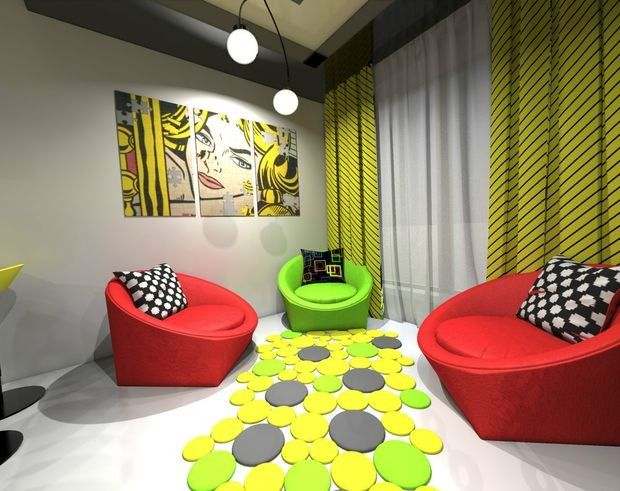
The most controversial and ambiguous style. The word “kitsch” itself translates as tastelessness, which accurately characterizes this type of interior. Low income combined with a desire to stand out and imitate the rich results in what is known as “kitsch lumpen.” Rebels and flamboyant personalities are most likely to live in such an interior. How else can one explain the combination of mismatched furniture, absurdly painted walls, torn wallpaper, and eye-catching carelessness and unaestheticism?

High-tech
Coldness and detachment, filled with functionality, are the main characteristics of this type of interior. Modern materials and technical innovations are widely used. Straight lines and the use of glass and metal in the interior are characteristic. Lighting consists of built-in fixtures; there are no classic chandeliers. Walls are often painted in solid colors, usually in light tones; wallpaper is rarely used.

Futurism
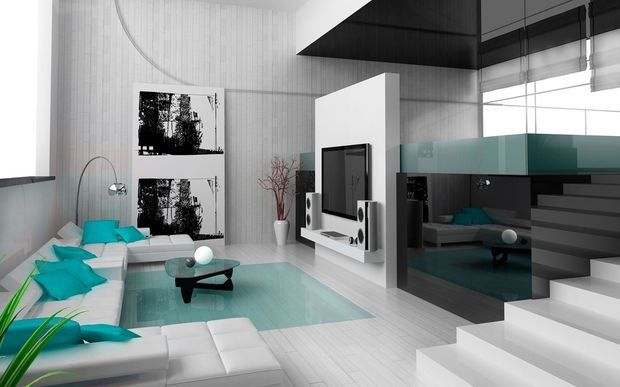
The boundaries between the real and virtual worlds are blurred. The furniture is streamlined, made using the latest technologies from polyurethane and plastic, without sharp corners. A futuristic-style home has nothing superfluous; it is more dynamic. Furniture can change its purpose depending on current needs. The colors are usually light, and wallpaper is used extremely rarely.

Loft
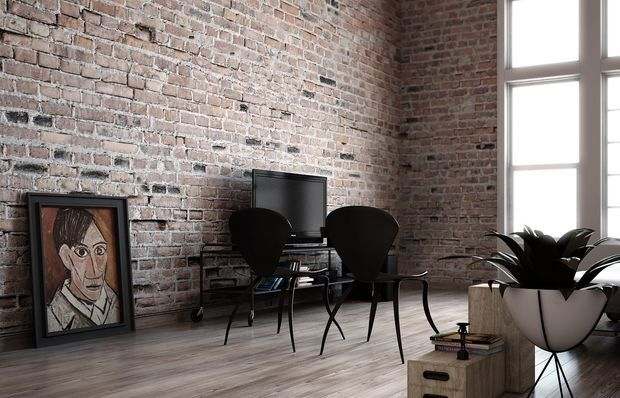
The word “loft” means upper apartments, but this style can be reproduced in any room. What distinguishes it is that, as a rule, the room is located in a historic building that was previously uninhabited. Hence the huge spaces without partitions, with huge windows. In addition, there are often “industrial” interior details—ventilation pipes, rough brick walls, floor beams—which give this type of dwelling a special atmosphere.
Fusion
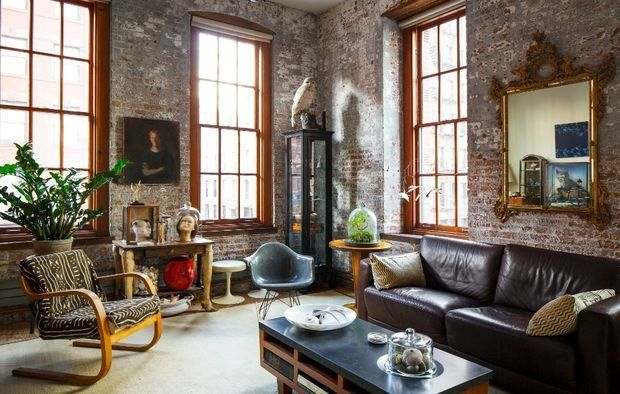
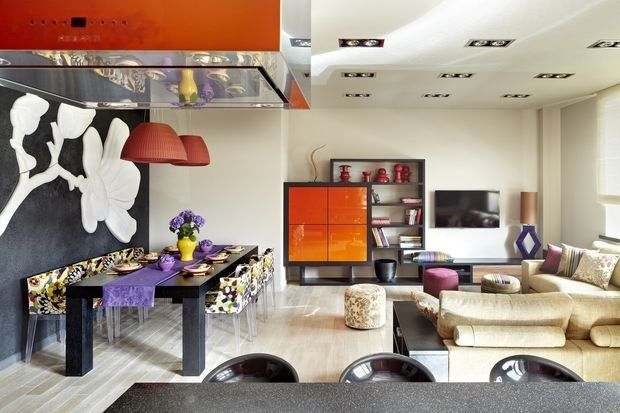
The style appeared quite recently, in the 21st century, and is characterized by a combination of things that seem incompatible at first glance. This type of interior design can combine new and old things, expensive and cheap, classic and modern. Modern high-tech furniture can be present alongside antique furniture. A wide variety of paints can also be used. Thus, any fantasy of the owner can be realized in this style.
Country
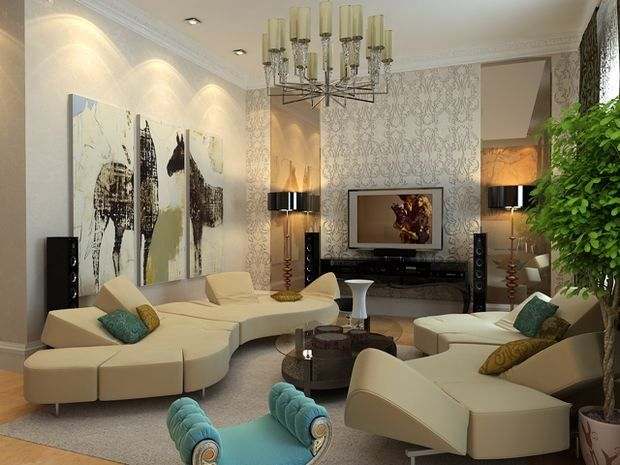
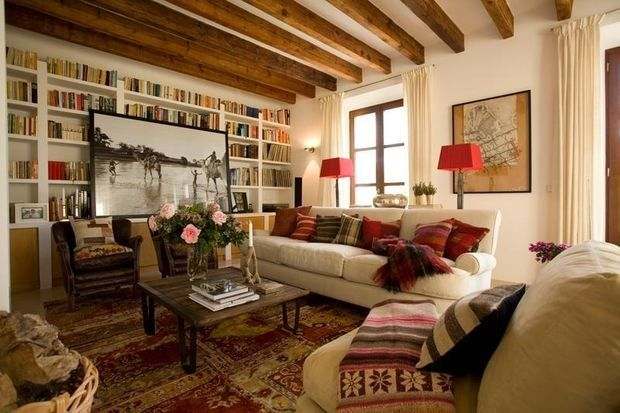
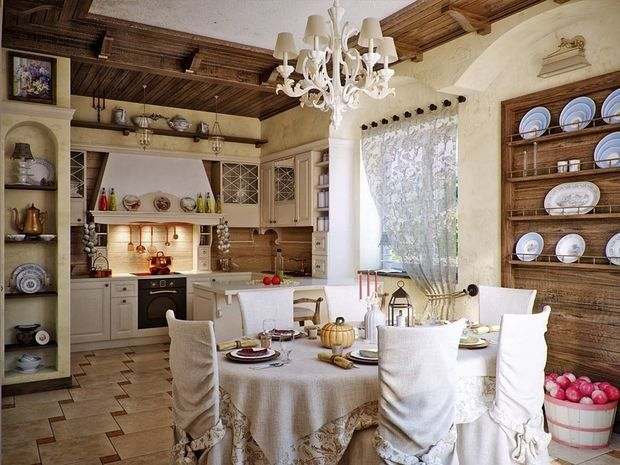
In principle, any “rustic” interior style can be classified as country, whether it be American country or Russian izba. Natural materials such as wood and stone are widely used. A fireplace is a must, around which the whole family gathers. The decor is often simple—pillows and curtains add a special touch. Kitchens are styled to look rustic, with utensils characteristic of the country and a large dining table. The furniture is simple and even deliberately rough.

Rustic
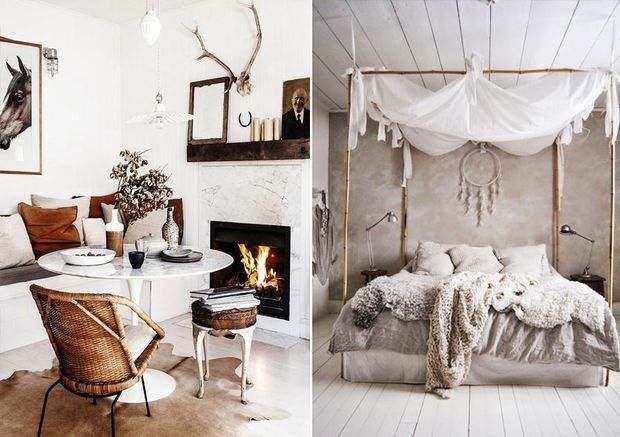
This type of interior emphasizes rough natural beauty and uses natural materials. Wooden floors are preferred, and the walls are usually white. An integral part of the interior is a fireplace, the use of natural fabrics in the decoration, animal skins, and wood.
Provence
It makes you feel like you are in a French village. The preferred finish is simple and even rough, using natural materials and a variety of colors, with white as the main background. Natural fabrics, animal skins, and wood are used in the finish.


English
It combines comfort and nobility. Gilding, brass, bronze, carvings, stucco moldings, and columns are used. Walls are often decorated with paintings and engravings, and antiques are present. It expresses restraint, with classic interior elements and wooden furniture decorated with cushions.


Scandinavian
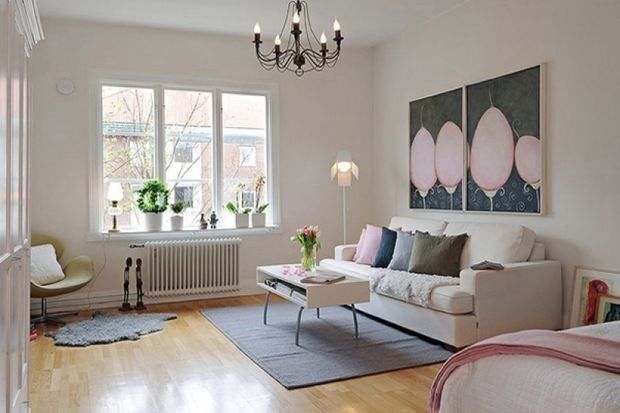
It is distinguished by its simplicity, embodying the severity and coldness of northern nature, while also featuring warm colors. The main colors are blue and white. Natural materials are used to emphasize the severity and coldness of the environment. There is usually little furniture, and the walls are painted white or green.

Chinese
Color is very important for this type of interior design. Preference is given to traditional shades—red, yellow, blue—each of which has its own meaning. The furniture is simple and conservative. Decorative elements play an important role—statuettes, curtains with hieroglyphs, Chinese umbrellas. utensils and a large dining table. The furniture is simple and even deliberately rough.

A good interior is not just beautiful, but comfortable, cozy, and appealing. The world of interior design is vast: from strict minimalism to lavish art deco, from cozy Scandinavian style to bold loft. This article covers 25 different styles that are worth knowing about, even if you are just renovating. There are styles for every taste: simple and complex, trendy and timeless, budget-friendly and luxurious. The main thing is to understand which one is closest to you.
Japanese
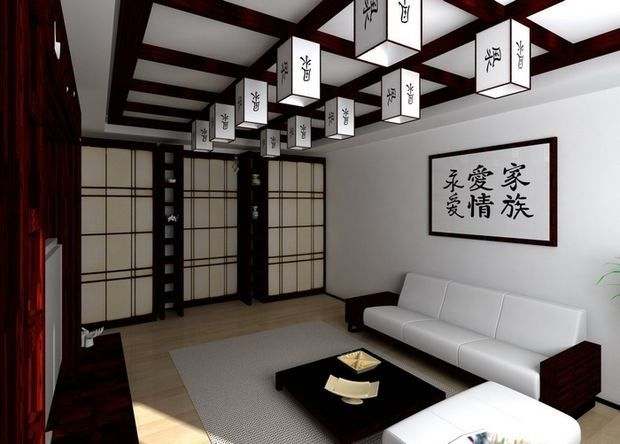
It is characterized by a minimum of objects and a certain impersonalization of the interior. The house should have only the most necessary furniture with a minimum of decor. The space is not divided into rooms, but rather into zones separated from each other by screens. Nothing is superfluous, and every detail is important.

African
One of the most striking and distinctive interior styles. It is characterized by the heat of the desert, where there is always a small oasis where you can take a break from the scorching sun. Decorative items are reminiscent of African peoples. These can be colorful blankets, figurines, bright pillows, African souvenirs, and animal figurines. Natural materials (bamboo, fur, leather) are widely used.


Arabic (Eastern)
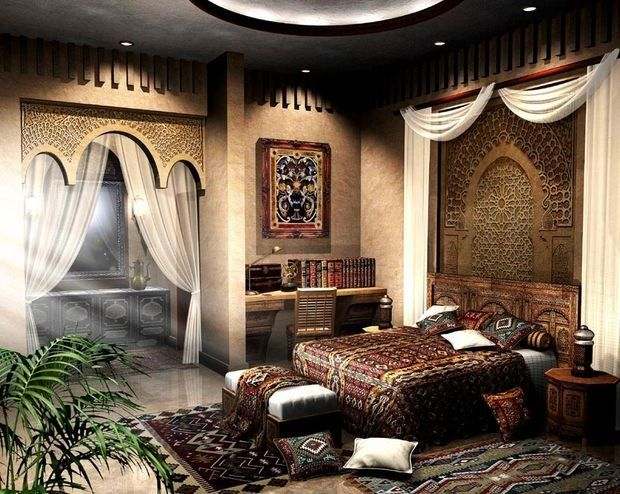
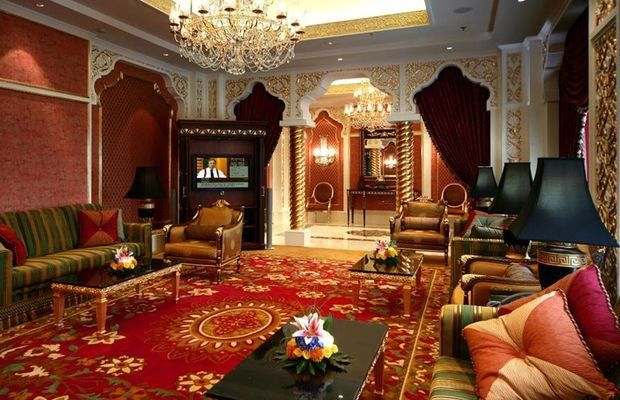
It allows you to transport yourself into an oriental fairy tale. The Arabic style is characterized by rich shades of brown, black, yellow, blue, red, etc. The East has always been distinguished by exquisite patterns on expensive fabrics. Furniture in this style will add a touch of flair to any interior. Traditionally, there is a wide bed with a decorated canopy, chests of drawers, and low soft sofas. Wood carving is widely used, as well as oriental ornamentation on carpets, walls, and ceilings.
As you can see, the world of interior styles is vast and surprisingly diverse. From centuries-old classics to bold modern experiments, each style has its own history, mood, and philosophy.
The main thing to take away from this review is not to be afraid to mix and match and find your own style. Perhaps you are drawn to cozy eclecticism with loft elements, or you want to add a bright boho accent to a Scandinavian minimalist base. Your home is a reflection of your personality.
We hope this article has inspired you with new ideas for your space. Let your acquaintance with these styles be the first step towards creating an interior in which you will feel truly good and comfortable every day.


