
Do you dream of a house that is warm in winter, cool in summer, and doesn't make your heart sink when you see the utility bills? You are not alone. Today, an energy-efficient house is not a luxury, but a sensible and modern approach to construction and living.
This house works with nature, not against it. It makes smart use of sunlight, retains heat reliably, and is well thought out down to the smallest detail. As a result, you not only get significant savings, but also exceptional comfort all year round.
Building such a house is easier than it seems. It all starts with the right decisions at the design and construction stage. Let's take a look at the key steps that will turn your construction project into an investment in the future with low energy costs.
House location
The best location for your future home is a flat, well-lit area away from swamps, landslides, and ditches. Windows on the south side should be panoramic, while those on the north side can be omitted altogether — this is a good place to put utility rooms, such as a wardrobe, storage room, or bathrooms.
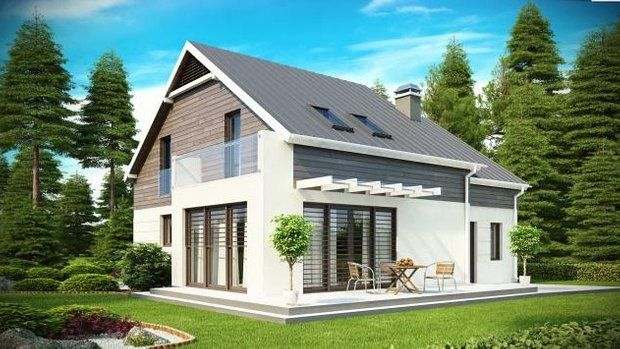
Ergonomic design
Heat escapes from the house through the exterior surface, so it should be as compact as possible — this will reduce heat loss. No rooms or architectural elements, such as bay windows, should protrude beyond the surface of the house. It is also important to consider the amount of space needed for living: for example, a house of 100 square meters would be suitable for a family of four.
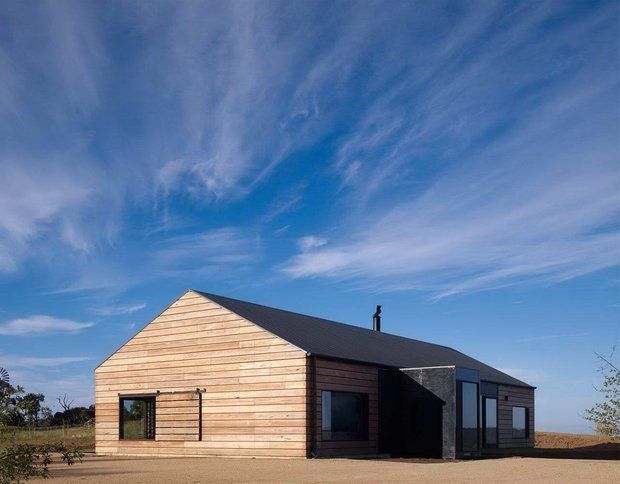
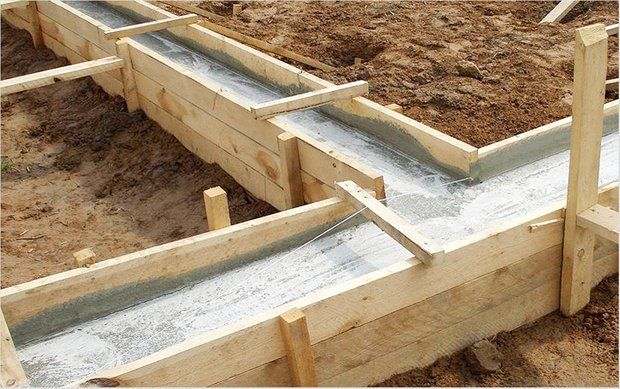
Insulated foundation
Poor insulation of the house foundation can result in heat loss of up to 10%. Therefore, you should pay attention to suitable materials — for example, extruded polystyrene foam, expanded clay, or foam glass. They will protect the foundation from freezing, groundwater, and seasonal temperature changes.
Tip: when building an energy-efficient frame house, pay special attention to the insulation. Choose modern solutions with outstanding technical characteristics — these include PIR boards from TECHNONICOL, made from rigid polyurethane. By choosing PIR boards, you are choosing the most effective option on the market with a record thermal conductivity of 0.022 W/m°K.
A thermal plate consisting of insulation with foil cladding that reflects heat back into the building is responsible for retaining heat in the house, providing additional energy savings. The cost of heating the house will be significantly reduced: the owners will no longer need gas, and electricity will be sufficient. Thanks to their unique polymer structure, PIR boards do not support combustion, so you can rest assured about safety.
The insulation does not emit harmful substances and is resistant to mold and fungi. Moreover, the thermal insulation material will serve you for more than 50 years and will not lose its characteristics. The roofing system can be installed at any time of the year — this is possible thanks to the minimal water permeability of PIR boards.
High-quality insulation
A blind area is a waterproof covering that is placed around a building. Some believe that a blind area is only necessary for the sake of beautiful landscaping, but in fact, it is of key importance in the construction of a house. This covering is necessary to protect the foundation from atmospheric and melt water and freezing. That is why it is necessary to choose a high-quality blind area that will last for many years and help you save money.
There are several types of aprons: the most economical modern type is soft flooring, in which the finishing coat can be a decorative layer of turf, gravel, or crushed stone, and a drainage membrane is laid at the base.
Expanded polystyrene for walls
Warm walls are the key to an energy-efficient home. However, only the external surfaces should be insulated. The interior surfaces will freeze in winter and form condensation. Instead of using an additional layer of mineral wool for aerated concrete walls, it will be sufficient to increase the thickness of the insulation in the ceiling. This will compensate for the reduction in the thermal resistance of the wall.

Triple-glazed windows
The use of energy-saving glass in the construction of a house will allow you to save 30-50% more heat. With triple glazing with non-reflective outer glass, you can ensure unobstructed penetration of sunlight into the house. Special UV-protective films will help protect the premises from overheating in summer.
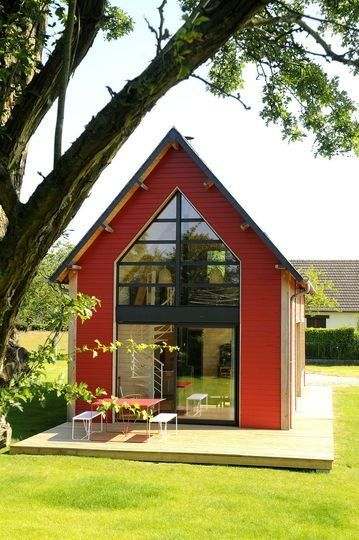
Building a house that really saves energy is entirely possible — the main thing is to approach the task correctly from the very beginning. You need to ensure good insulation, airtightness, proper ventilation, and a well-thought-out window layout so that the house regulates its own heat and light. Add to this energy-efficient materials, modern boilers or heat pumps, and, if possible, solar panels, and you will get a home where the meters run slower and the comfort is unmatched. This is not about overpaying, but about smart solutions that pay for themselves and make life easier and cleaner.
Gabled roof with tiles
The roof of an energy-efficient house must be durable and airtight. The ideal roof shape is a 45-degree gable roof covered with tiles. By installing collectors for a water tank on its sunny side, you can also heat the exterior ceiling of the house.
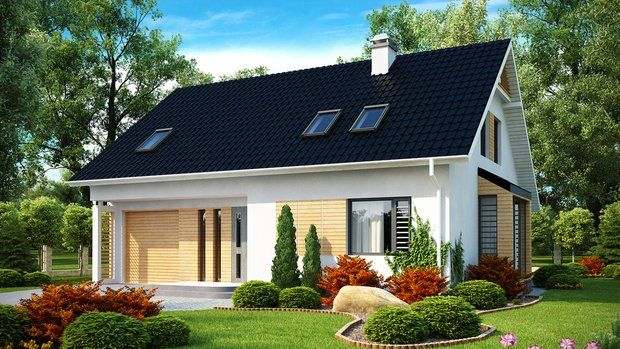
Condensing wall-mounted boilers
Heating a house primarily involves material costs. Therefore, the most economical option is condensing wall-mounted boilers. Their efficiency is close to 70–90%, and they have an uninterrupted service life of 30–40 years. The energy costs of operating such equipment are 15% lower than those of traditional gas boilers.
Electricity optimization
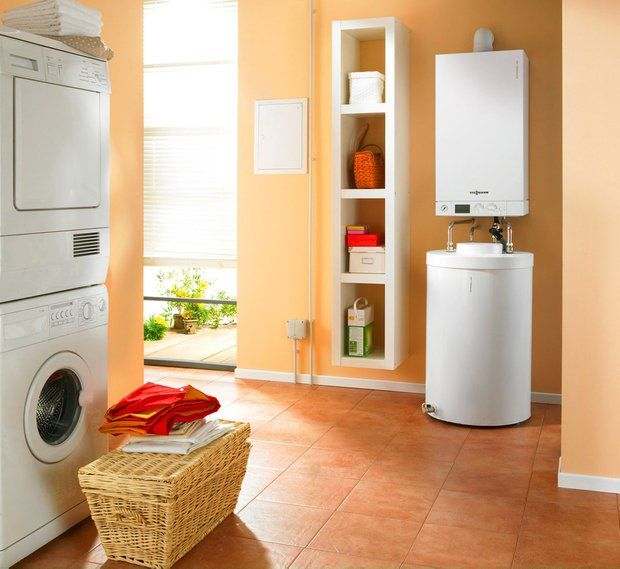
Lighting in the home accounts for about 15% of the electricity generated, so it is necessary to optimize it as much as possible. First of all, introduce household habits: turn off the lights when you leave the room, use local lighting instead of overhead lighting when reading books, and unplug gadget chargers from sockets after they are fully charged.
To optimize energy consumption for household appliances, you need to follow a few important rules. For example, keep kitchen appliances clean: kettles, frying pans, pots — limescale on them takes up extra heat. And place refrigerators and freezers away from heating appliances such as boilers and heaters. To save energy when refrigerators and freezers are running continuously at night, use a dual-rate meter.
Forced ventilation system
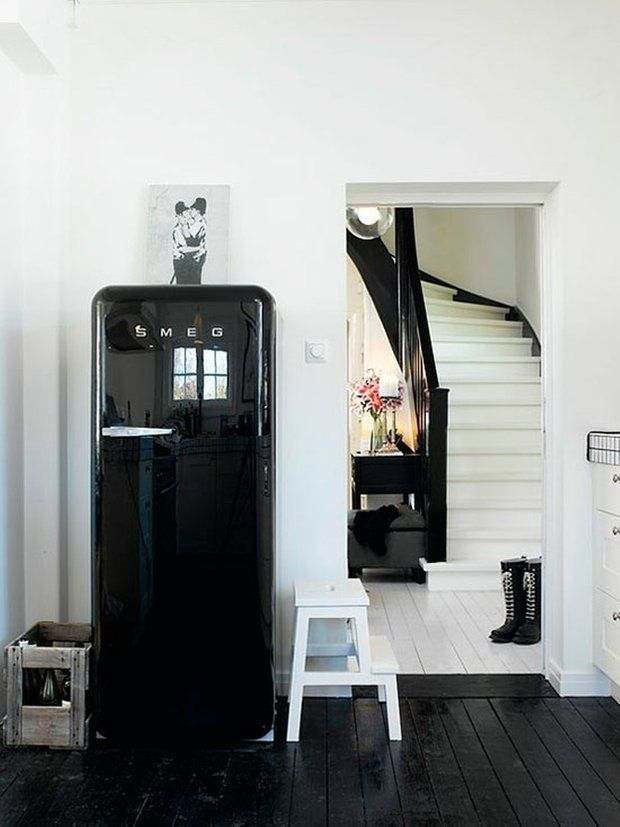
The ventilation system in an energy-efficient home requires special attention. In addition to natural ventilation with open windows, there is also forced ventilation. It is necessary in case of air pollution in an industrial environment — for air supply and exhaust, you will need a supply and exhaust unit with heat recovery.
It is also possible to install a ground heat exchanger—a stainless steel pipe is laid in the ground below the frost line. This technique reduces the energy consumption for heating the supply air by 25% and prevents the ventilation unit's recuperator from freezing.

The idea of a house that helps save energy is not as complicated as it may seem at first glance. It does not necessarily have to be a high-tech “smart” house, but rather a well-designed and well-thought-out space. It all starts with the basic principles: correct orientation on the site, high-quality insulation, and airtightness.
As you can see, many steps are interrelated. Good windows on the south side will be useless without thick walls, and a modern boiler will not reach its full potential without a ventilation system with heat recovery. Creating an energy-efficient home is a comprehensive approach where every detail contributes to the overall result.
The main thing is to start with planning. Even if you can't implement all the solutions at once, a well-designed project will allow you to add them in stages. As a result, you will not only reduce your utility bills, but also create an exceptionally comfortable and healthy microclimate for your family to live in, while caring for the environment.


