
Aluminum sandwich panels are becoming more and more common in the building and maintenance sector because of their exceptional strength and lightweight design. These panels are composed of two aluminum sheets joined to a non-aluminum core, usually composed of mineral-based material or polyethylene. They are a popular option for both indoor and outdoor applications because of their excellent durability and sleek, contemporary appearance.
Aluminum sandwich panels’ lightweight design makes installation and transportation easier, which is one of their key benefits. This feature minimizes the structural load on buildings in addition to lowering labor costs. A long lifespan with little maintenance is also guaranteed by their strong resistance to weathering, corrosion, and UV radiation, which is particularly advantageous for external cladding and facades.
Sandwich panels made of aluminum have disadvantages as well, despite these benefits. There may be issues with fire safety related to the core material, especially if it is polyethylene. Panels with combustible cores have occasionally been connected to quickly spreading fires in structures. Selecting panels with fire-resistant cores and ensuring correct installation by qualified professionals are essential to reducing this risk.
An additional consideration for aluminum sandwich panels is cost. Compared to other cladding materials, they require more initial investment; however, their durability and low maintenance requirements result in long-term savings. When organizing a building or renovation project, it’s critical to balance these up-front expenditures with the anticipated long-term savings.
All things considered, aluminum sandwich panels provide a number of advantages that make them a desirable choice for a variety of building projects. Nonetheless, in order to make an informed choice, it is imperative to comprehend their limitations. You can decide if these panels are the best option for your particular requirements by taking into account aspects like installation, cost, and fire safety.
- Aluminum sandwich panels
- Advantages and disadvantages
- Types of aluminum sandwich panels
- Material Specifications
- Areas of use
- Installation of aluminum sandwich panels
- Video on the topic
- Polystyrene foam as insulation in sandwich panels. Advantages and disadvantages.
- Lesson 4. Pros and cons of sandwich panels made of CF, PPU and PPS. Profhold, MMK, Isobud, Isopan, Lissant.
- Advantages of sandwich panels over other enclosing structures
- How long does a sandwich panel freeze?.
- SANDWICH PANELS in Cherkassy and region! (Types, types of filling, advantages)
- LSTK frame for buildings made of sandwich panels | Advantages and disadvantages
- Sandwich panel house .Is it possible to live comfortably in it?.
Aluminum sandwich panels
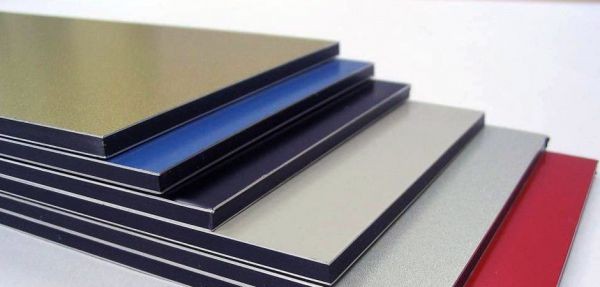
The most common type of sandwich panel is steel, although aluminum covering sheets are also getting more and more common. Since their introduction to the market in the latter part of the 20th century, their range of uses has been continuously growing.
They are typically made up of two 0.2 to 0.5 mm thick metal sheets with a polymer filler sandwiched in between. Aluminum composite panels, or ACPs, are another name for aluminum sandwich panels.
Fire retardants, or additives that stop combustion, are added to the filler to strengthen the panels’ resistance to fire. They halt the spread of flames in addition to preventing the filler between the aluminum sheets from igniting.
Low-flammability composites are also employed in the production of certain panel modifications; these are specifically used to finish the facades of high-rise buildings and special purpose structures.
Advantages and disadvantages
Aluminum sandwich panels’ primary benefits include:
- ease;
- strength;
- high insulating properties;
- environmental resistance.
This construction material is resilient to wind, sunlight, precipitation, extreme heat and cold, air dust, and aggressive deposits.
ACP’s exceptional strength and ductility allow it to bear heavy wind loads without warping or delaminating, which is crucial for finishing materials used to clad tall buildings.
Aluminum sandwich panels are among the materials with the highest fire safety ratings in many of their models. They can function as complete fire barriers and do not catch fire.
The panels can take on a wide range of shapes because of the combination of soft elastic material inside and stiff aluminum sheets on the outside. They can be drilled, chopped, bent, milled, and cut.
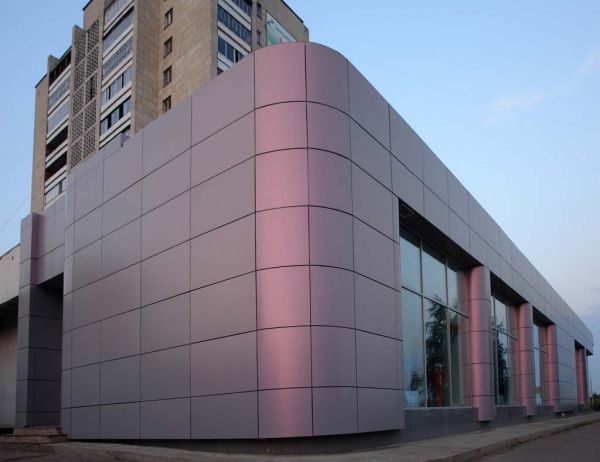
Panels can be cold rolled into cylindrical, oval, or curved objects without the need for additional groove milling. Silk-screen printing is used to print on this material, and self-adhesive film can also be applied to it.
One of the drawbacks is that aluminum sandwich panels are comparatively expensive compared to many other building materials used to decorate walls. When modifications are made using a regular polymer filler without the addition of fire retardant additives, they become combustible and release harmful gases upon burning.
Thermal insulation materials do not include aluminum sandwich panels. Conversely, internal polymer inserts offer effective heat transfer, which is required to bring the temperatures of the inner and outer metal sheets to par.
As such, their role in wall decoration is limited to aesthetics. Special materials are required for thermal insulation.
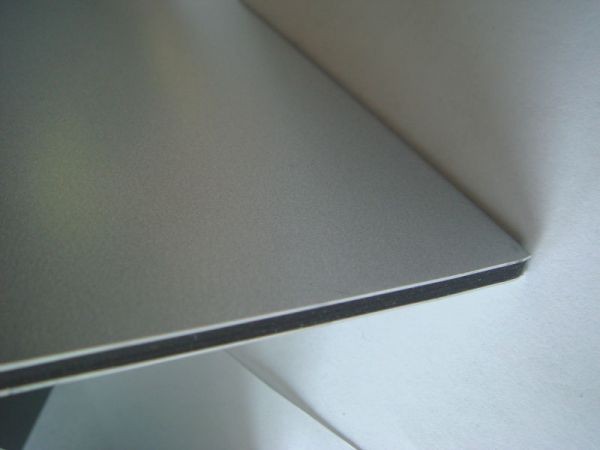
Since aluminum sandwich panels are lightweight, strong, and energy-efficient, they are a popular choice in construction for a variety of applications, including interior design and building facades. They are easily shaped and customized, offer superior thermal and sound insulation, and are weather- and corrosion-resistant. Nevertheless, their cost may exceed that of alternative materials, and the intricate methods used in their production may not be ecologically sustainable. Furthermore, even though they are strong, in some high-impact scenarios they might not be as sturdy as solid metal panels.
Types of aluminum sandwich panels
Based on their intended use, sandwich panels fall into two categories:
Surfaces of wall panels are smooth. The roof panel cladding has a trapezoid profile. Profiling strengthens this building material’s resistance to deformation. Denser insulation materials are also used in the manufacturing of roofing panels, giving them more rigidity.
Due to the need for the highest level of tightness during roof installation, the system for fastening the automatic transmission to one another is more complicated. They are generally distinguished from wall ones by their strong resistance to outside factors like pressure, deformation, etc.
Coatings for aluminum panels come in four varieties:
- polyester (PE) – provides protection from external influences, but does not have a long service life;
- polyvinylidene fluoride (PVDF) – a durable coating that is resistant to damage, aggressive weather conditions, and fading;
- oxide film – provides the aluminum sandwich panel with the highest level of protection and is characterized by very high resistance and durability;
- laminating coating – provides a good appearance, as it imitates wood or stone.
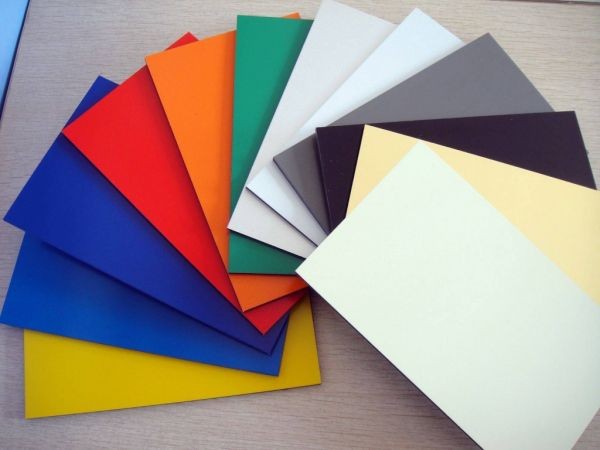
Sandwich panels made of aluminum can have a variety of surfaces:
- matte;
- glossy;
- mirror;
- shagreen.
Material Specifications
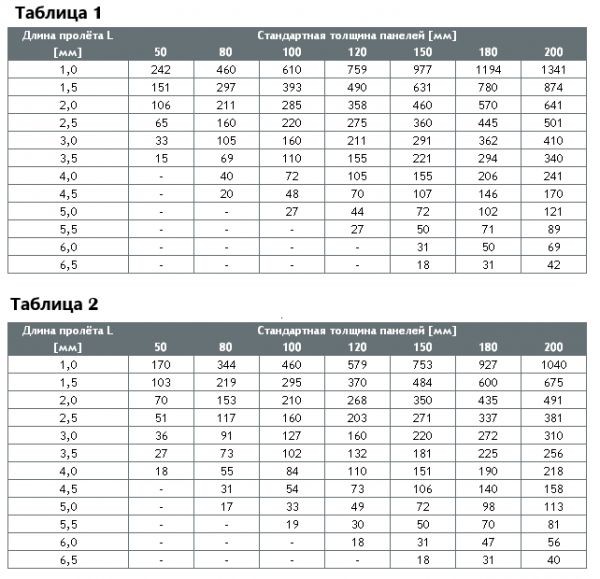
Aluminum sandwich panels’ primary technical attributes are as follows:
- length: from 2000 to 6000 mm;
- width: from 1000 to 1500 mm;
- panel thickness: from 2 to 6 mm;
- aluminum sheet thickness: from 0.15 to 0.8 mm;
- composite layer thickness: from 2.6 to 4.8 mm;
- weight: from 2.9 to 7.9 kg per 1 square meter;
- permissible range of temperature fluctuations: from -50 to +80;
- predicted service life: 20-30 years.
Most panels available on the market fit the aforementioned criteria. However, there are also modifications available for purchase, the specifications of which exceed the given values.
Areas of use
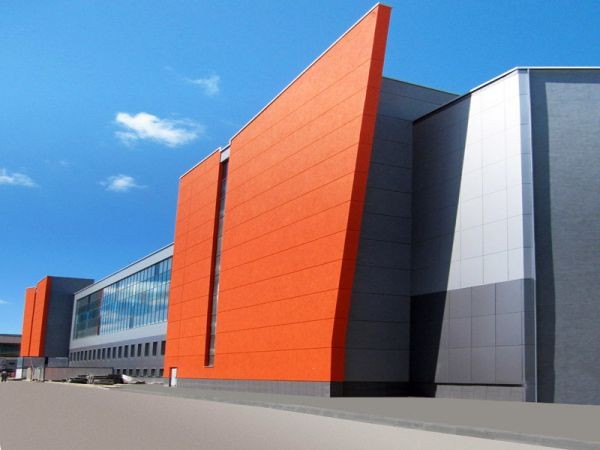
Finishing the exterior and interior walls of newly constructed buildings and buildings in need of renovation is done with aluminum panels.
It might be:
- residential buildings;
- hotels;
- office buildings;
- administrative buildings;
- the shops;
- exhibition halls;
- factories;
- gas stations and various road structures;
- metro stations.
Building canopies, balconies, entrances, and cornices are all covered with aluminum composite panels. They work well for completing interior walls in public spaces like hospitals, train stations, and airports. In these situations, the coating needs to be washable and resistant to wear.
They are employed in furniture production as well as car interior design. Tunnel lining is an additional area of application. Sandwich panels made of aluminum can be used to make advertising structures, such as light boxes, transport and advertising signs, and signs.
Installation of aluminum sandwich panels
Sandwich panels made of stainless steel are fixed to a metal frame.
What you’ll need for installation is:
- building level and marker;
- brackets;
- metallic profile;
- drill and drills for metal;
- metal scissors, jigsaw or circular saw for cutting panels;
- self-tapping screws or rivets for mounting the automatic transmission.
Markings are made with a level and marker, and dowels are screwed into the wall to support the metal profile. A layer of mineral wool or other insulation is then applied, if needed.
Disc dowels are utilized to fix it. After that, a metal profile is fastened, and spacer slides—which include the panels—are installed on it. The automatic transmissions are fastened to the slide by means of rivets or self-tapping screws.
It’s important to check the joints’ quality during installation. Sandwich panel installation requires additional sealing of the joints after completion.
Sandwich panels made of aluminum can be installed both horizontally and vertically. They attach in tiers, beginning at the bottom, when installed vertically. A particular strip is fastened to the plinth prior to installation.

| Advantages | Disadvantages |
| Lightweight | Can dent easily |
| Durable | Higher cost |
| Weather-resistant | Limited color options |
| Easy to install | Not as strong as solid materials |
Sandwich panels made of aluminum have several advantages that make them a desirable option for building projects. They take less time and labor to install and transport thanks to their lightweight design. The panels also have a long lifespan and require little maintenance because of their extreme durability and resistance to weather, corrosion, and impact. Their superior insulation qualities also contribute to increased building energy efficiency and reduced heating and cooling expenses.
Sandwich panels made of aluminum have certain disadvantages in addition to these benefits. Their greater initial cost in comparison to other materials is one of the main issues. This can play a big role in projects where money is tight. Another problem is that even though they are fire-resistant, if they are exposed to extremely high temperatures, the core material may still burn. Finally, it is imperative to guarantee high standards during the construction process because poor quality panels or improper installation can result in structural failures.
To sum up, aluminum sandwich panels are a cost-effective and adaptable building material that have potential long-term advantages. It’s crucial to balance their benefits against any potential risks and upfront costs. For contemporary building requirements, these panels can be a great investment with proper planning and quality control.


