
Vinyl siding has grown to be one of the most widely used materials for home exteriors because it provides the ideal balance of low maintenance, aesthetic appeal, and durability. It’s an adaptable choice that can resemble stone, wood, or other materials, giving any home’s curb appeal a gorgeous finish.
The durability of vinyl siding is one of its key benefits. It doesn’t fade or warp even in the face of inclement weather, such as persistent rain, snow, and strong winds. Because of this, it’s the perfect option for homes in different climates. Furthermore, vinyl siding doesn’t need to be painted or stained frequently, which saves homeowners money and effort on maintenance.
Vinyl siding installation is a reasonably simple DIY project for individuals with some construction experience. In contrast to other siding materials, professional installation is frequently less expensive even if you choose that route. You can also find an option that precisely complements the decor of your home thanks to the large selection of styles and colors available.
Vinyl siding also has the advantage of being energy efficient. These days, a lot of vinyl siding products include insulation options to help your home perform better thermally, saving energy and improving comfort. Both in hot and cold weather, this extra layer of insulation can make a big difference.
When it comes to exterior home renovations or new home construction, vinyl siding provides a stylish, long-lasting, and reasonably priced solution. It’s an investment that protects your house from the weather for a long time while also improving its appearance.
- What is Deke Vinyl Siding?
- Advantages and disadvantages
- Specifications
- Main types and colors of Deke siding
- Deke siding kit
- Preparing the sheathing
- Step-by-step installation
- Conclusion
- Video on the topic
- Vinyl siding Deuke. Installation instructions
- Vinyl siding deck
- Crash test of Deke vinyl siding: Finestra compares with competitors
What is Deke Vinyl Siding?
The well-known German firm "Deke" is among the top producers of flexible bitumen shingles, polymer facade panels, vinyl and acrylic siding, and a wide range of other building supplies.
From this manufacturer, vinyl siding is highly sought after. This material is ideal because it combines great strength and dependability with outstanding aesthetic qualities, making it simple to design the ideal facade.
High-tech polymer materials like vinyl siding deck have crucial characteristics like low weight, resistance to airborne contaminants, and high mechanical strength.
This material’s characteristics allow for long-term, dependable use in any climate. The excellent quality and reasonable price of Deke vinyl siding are significant factors.
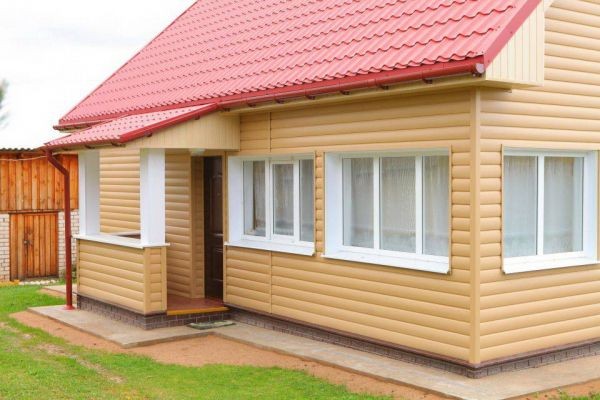
Vinyl-sided home
Advantages and disadvantages
The greatest option for people looking to update their home’s exterior or add efficient insulation is Deke vinyl siding.
This substance is well-known for having numerous benefits, including:
- Wide selection of configurations and colors;
- long reliable service life – at least twenty-five years old;
- long-term preservation of the original shades (light ones – at least seven years, and dark ones – at least three);
- presence of a strong hurricane-proof lock, which can withstand strong gusts of wind;
- reliable trouble-free operation under any climatic conditions;
- absolute immunity to the destructive effects of corrosion, flame, as well as mold and fungal infections;
- optimal ratio between impeccable quality and affordable cost of the material.
Deke vinyl siding has generally shown to be reliable in every way. With the possible exception of the siding panels’ potential to develop cracks from severe impacts, this material has almost no drawbacks.
You must adhere to specific guidelines when installing Deke siding yourself because incorrect installation can result in air and water buildup beneath the panels, as well as insufficient strength and wind resistance.
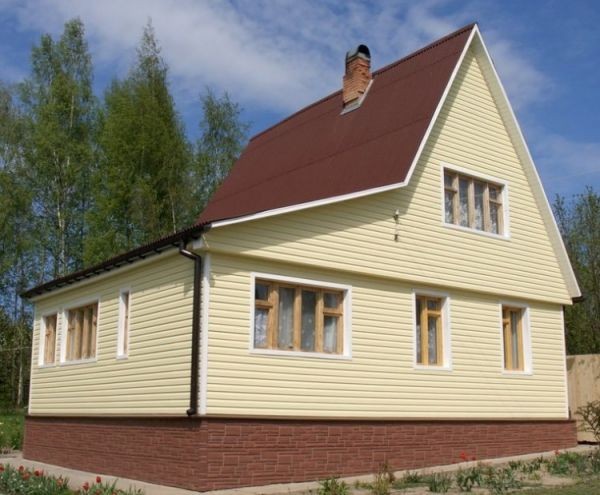
Because of its low maintenance requirements, affordability, and durability, vinyl siding is a popular choice among homeowners. This adaptable material is available in a range of designs and hues, making it simple to improve the curb appeal of your house while simultaneously shielding it from the weather. Vinyl siding is a practical and attractive option for both new construction and renovations, and it can last for decades with proper installation and little maintenance.
Specifications
Vinyl exterior siding Panels that are both vertical and horizontal are how Deke is shown. The first choice is now far more common.
This material’s primary ingredient is premium polyvinyl chloride.
Moreover, the siding panels’ structure contains other materials that give them specific chemical and physical characteristics. These include:
- Calcium carbonate – filler of the material structure;
- titanium dioxide – a substance that ensures stabilization of the panel structure, durability of dyes, and reliable protection from the harmful effects of the atmosphere;
- butadiene increases the service life and gives special durability to the material;
- modifying additives increase the impact resistance of vinyl siding;
- concentrated dyes give siding panels durable and rich shades;
- lubricating additives in the process of vinyl siding production prevent the polymer composition from sticking to metal molds, and also guarantee a perfectly smooth and even surface of the finished material.
The high-tech features of Deke siding are determined by this composition:
- Excellent resistance to scratches and other mechanical damage;
- elasticity and flexibility;
- no tendency to catch fire, high degree of fire safety;
- water resistance and resistance to the occurrence of fungi and the development of rotting processes;
- high level of resistance to ultraviolet rays;
- resistance to aggressive chemicals;
- environmental Safety;
- wide selection of long-lasting shades;
- a wide selection of textures – both completely smooth and imitating stone, brick, wood and other popular materials.

Main types and colors of Deke siding
Siding panels from the Deke company come in a variety of profiles and colors.
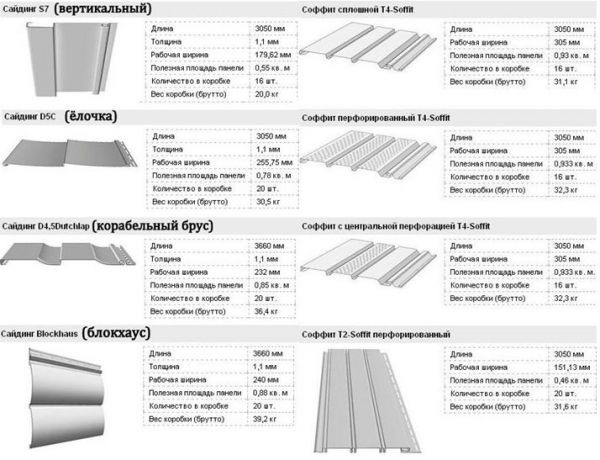
The "Ship Beam" profile’s carefully preserved geometric shape guarantees maximum installation ease and perfect joint tightness.
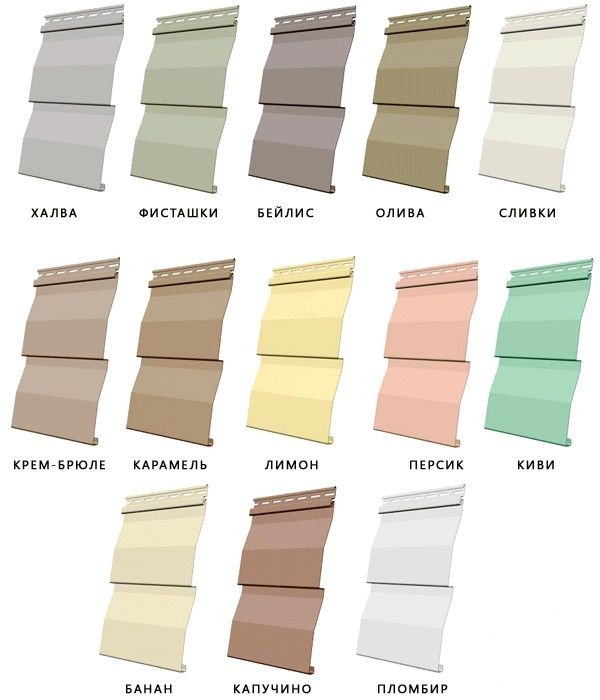
These panels have a length of 3660 mm and a width of 232 mm. Colors like "creme brulee," "lemon," "peach," "ice cream," "cream," "pistachio," "halva," "banana," "cappuccino," "caramel," and "kiwi" are displayed for this option. Every shade has a very polished and aesthetically pleasant appearance.
Another well-liked vinyl siding panel profile is "herringbone." It is distinguished by a unique structure that resembles overlapping cladding. The typical panel measures 255.75 mm in width and 3050 mm in length.
The Deke company manufactures this kind of siding in the following shades: "ice cream," "blueberry," "halva," and "pistachio."
Block House siding mimics many kinds of real wood. Although it’s a relatively new option, it’s already quite well-liked.
These panels measure 240 mm in width and 3660 mm in length. This variety comes in eye-catching hues like "lemon," "banana," "caramel," "pistachio," "cream," and "peach."
Vertical paneling Deke has an equally striking appearance as horizontal siding. It is also simple to install. The panel is 3050 mm long and 179.62 mm wide. There are just four lovely shades in this series: "ice cream," "banana," "ice cream," and "kiwi."
Vertically designed vinyl siding panels can be used as a stand-alone piece of facade decoration or combined with any other popular arrangement.
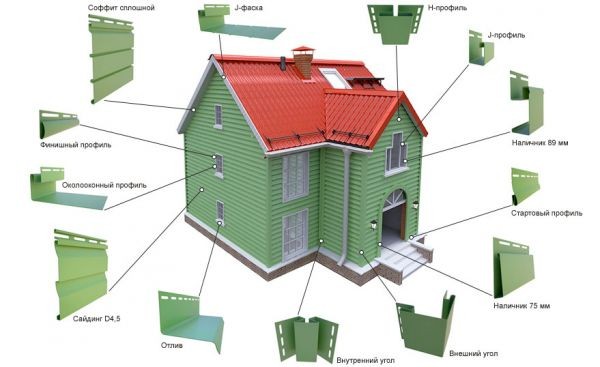
Deke siding kit
High-quality components in the Deke siding package guarantee the complete accuracy and dependability of the construction.
Standard apparatus:
- Start profile, which is installed at the very bottom of the cladding and serves to attach the first siding panel.
- Internal and external corner profile, necessary for joining panels.
- Connecting profile – this element is used to connect panels if their length is less than the length of the wall.
- J-profile, used to cover façade panels from the sides and is indispensable when decorating window and door openings.
- Finish profile, under which the last siding panel is hidden.
- Soffits, used for decorative finishing of covered verandas and roof eaves. Such panels can be either solid or with perforation – central or full.
Preparing the sheathing

The sheathing must be properly prepared in order to guarantee the highest quality façade cladding using Deke siding panels.
Wooden beams or metal profiles set perpendicular to the siding panels surround the facade at a height appropriate for these uses.
On the other hand, the sheathing components are installed horizontally when using vertical siding.
It is advised that the sheathing installation begin at the building’s corner.
Installing profiles in all corners in a strictly vertical direction will make this process as easy and quick as possible. Next, string multiple rows of strong nylon cord between each corner.
You can precisely align every component of the sheathing in the same plane with this type of beacon.
For a brick or stone facade, sheathing for vinyl siding is a must. Siding panels can be fixed directly to wooden walls that are perfectly aligned.
Step-by-step installation
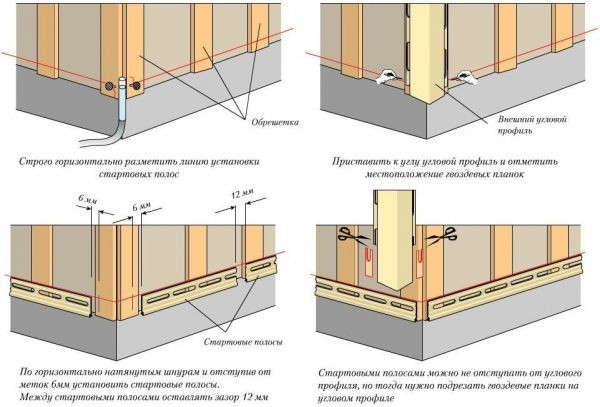
There are multiple stages to the installation process:
- After installing the frame at the bottom of the walls the starting profile is mounted.
- In a strictly vertical direction external and internal corner profiles are installed. The distance between nails should be approximately 20-40 cm.
- Next, proceed to framing the door and window openings. Before installing the trim, ensure reliable protection from moisture using durable aluminum foil or galvanized steel. Additionally, you can use silicone sealant.
- Then install H-profiles, ensuring reliable joining of ordinary siding panels. To increase the length of the profile, a junction is carried out.
- A finishing profile is installed under the roof eaves.
- After installing all fasteners begin installation of regular siding panels. For overlapping joints, you can trim the panels using a grinder or a circular saw. When connecting panels to each other, it is important to ensure that the locks and their hooks are sawn off at the same level.
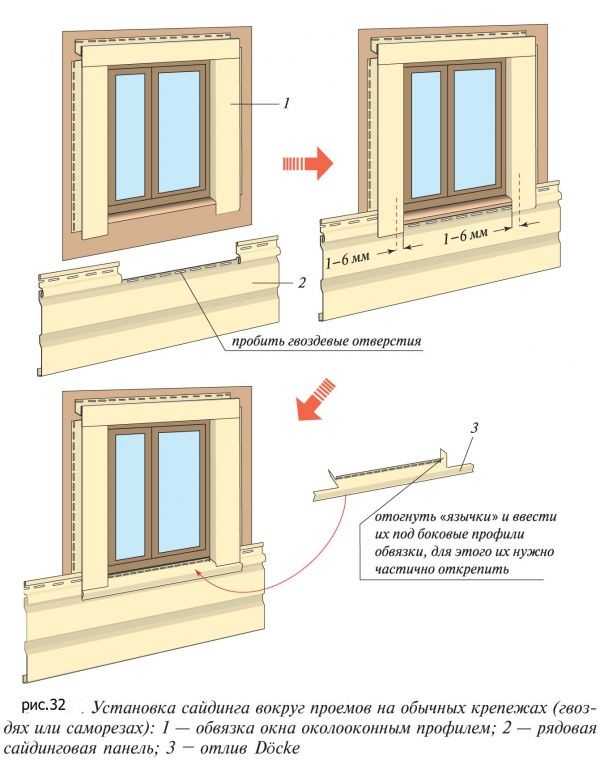
Siding installation close to a window

Deke installing vinyl siding
Conclusion
These days, vinyl siding Deke is among the best choices for facade cladding. It combines the best functional qualities, comes in pleasing colors, and has a dependable twenty-five-year lifespan.
| Topic | Description |
| What is Vinyl Siding? | Vinyl siding is a type of exterior cladding made from PVC, used to protect and decorate the outside of a house. |
| Benefits | Vinyl siding is durable, low-maintenance, and comes in various colors and styles. |
| Installation | Installing vinyl siding involves attaching it to the exterior walls with nails, ensuring it is level and properly sealed. |
| Maintenance | Vinyl siding requires minimal maintenance, usually just periodic cleaning with water and mild soap. |
| Cost | Vinyl siding is generally cost-effective compared to other types of exterior cladding. |
| Longevity | High-quality vinyl siding can last 20-40 years with proper care. |
Vinyl siding presents a viable and aesthetically pleasing option for homeowners seeking to modernize their external surfaces. It is well-known for being long-lasting, low maintenance, and reasonably priced, which makes it a popular option for building and remodeling projects. Vinyl siding can add both a traditional and modern look to any home thanks to its extensive color and style options.
When compared to other siding options, vinyl siding installation is comparatively simple. For individuals with some prior home improvement experience, it can be a do-it-yourself project; however, for optimal outcomes, professional installation is advised. When siding is installed correctly, it performs well as insulation and weather resistance.
The fact that vinyl siding is resistant to rot and pests—two issues that wood siding frequently faces—is another noteworthy benefit. It also has a lower probability of being negatively impacted by inclement weather, like high winds and persistent rain. For homes in a variety of climates, this makes it a great option.
Selecting vinyl siding is an investment in your home’s longevity and value, not just its appearance. Over time, it can drastically lower maintenance costs, freeing up funds and time for other home improvement projects. Vinyl siding offers versatility and dependability, making it a great choice for both new construction and renovation projects.


