
Any surface, whether inside or outside, can be made to look and feel different with the help of high-quality plaster. Distinguished by its resilience and visual allure, it provides a smooth surface that accentuates the elegance of walls and ceilings. Plaster offers an enduring way to achieve a polished, smooth finish whether you’re working on new construction or remodeling an existing structure.
The versatility of high-quality plaster in producing different textures and finishes is one of its main advantages. Plaster can be made to fit any style, from smooth, contemporary surfaces to textured, rustic looks. Because of its adaptability, it is a well-liked option for both commercial and residential projects, enabling creative space decorating.
Superior plaster provides functional advantages in addition to aesthetic ones. It offers an additional degree of protection for your property by being resistant to mold and fire. Plaster can also help a room’s acoustics, which lowers noise levels and makes the space more comfortable.
Plaster application calls for accuracy and skill, and in order to get the desired results, best practices must be followed. A perfect finish depends on carefully preparing the surface, choosing the appropriate plaster, and applying it correctly. High-quality plaster can improve any area’s appearance and add elegance and value to your home with the appropriate application.
| Application Area | Benefits |
| Interior Walls | Provides a smooth, durable finish |
| Exterior Walls | Protects against weather and enhances appearance |
| Ceilings | Conceals imperfections and improves aesthetics |
| Bathrooms | Resistant to moisture and mold |
| Kitchens | Easy to clean and maintain |
| Basements | Improves insulation and prevents dampness |
- Types of plaster
- Simple plaster
- Improved plaster
- High quality plaster
- Stages of high quality plaster
- Splash
- Padding
- Covering
- Features of high-quality plaster
- Requirements for high quality plaster
- Video on the topic
- Plastering work \ Tips from the master
- High-quality plastering of walls
- High-quality plaster. The highest limit of skill!
- plastering angle #shorts
- Mechanized plastering of walls. Features and technologies.
- Plastering work with KNAUF-Rotband: stages of repair, surface preparation and leveling
- Painting mesh for putty. We show how to apply paint mesh to the base
Types of plaster
Plaster comes in three varieties: basic, enhanced, and premium. Each has its own advantages and disadvantages and uses different operating technologies.
Simple plaster
There are two stages to this process:
- priming the surface to increase adhesion and protect against the formation of mold and mildew;
- splash.
Weighing is not done during the process, and following the rules is also not necessary. Following the application of mortar layers, corners, slopes, and other protrusions are leveled using a float, and grouting is completed. The plaster test should have a maximum height of 12 mm.
Usually, these types of projects are completed in structures that will not house residents. Plaster is applied to surfaces that don’t need to be smooth or evenly distributed. This kind of treatment is common for utility rooms, basements, and attics.
Improved plaster
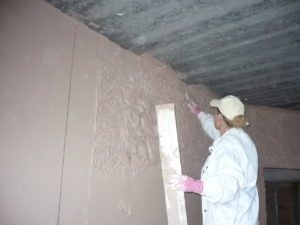
You will need to apply the mixture in three layers to complete this type of cladding: primer, spray, and covering. Hanging is not done, just like with basic plaster. The primary distinction between simple and improved plaster is the rule-based evenness check.
Covering requires the use of instruments made specifically for the task. Every layer should be no thicker than 15 mm.
Residential properties are frequently the target of this treatment. It is utilized for public and building interior cladding.
High quality plaster

Some requirements must be met in order to produce wall plaster of superior quality.
Spraying the surface comes first, followed by the application of a multi-layer primer and coating.
Beacons and hanging surfaces must be installed in order to use the technology for this kind of work. The cladding can be as thick as 20 mm with this treatment.
If such processing is specified in the documents, it is used. The process is done in buildings designated for cultural purposes or in the offices of large corporations.
Stages of high quality plaster
There are three steps involved in this cladding project:
- surface splash;
- padding;
- cover.
Splash
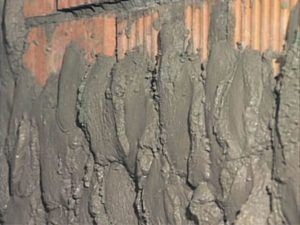
The mixture is applied at a height of 50 mm on brick or concrete walls and 90 mm on wooden surfaces. Wooden walls can only be finished with shingles or a mesh made specifically for that purpose.
Spraying is done using a solution that has a sour cream-like consistency.
The surface is cleaned and any imperfections are filled with a cement-sand mixture prior to work commencing. The adhesion between plaster layers is enhanced by spraying. Apply concrete contact as a pre-treatment to the surface if performing this procedure on a concrete wall.
Padding
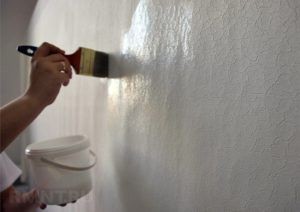
Multi-layer priming is used to produce plaster that is of superior grade. The primer will make the wall completely level and increase the degree of adhesion.
One layer’s thickness shouldn’t be more than 5 mm. The maximum thickness for gypsum or lime mixture is 7 mm.
You have to wait until the previous layer is completely dry before applying the next one. Each layer must also be leveled.
Professionals can level without installing beacons beforehand, but novices need to use them consistently.
Covering
The last step in this kind of plastering is covering. Decorative solution can be used for the final layer application. The final layer’s thickness shouldn’t be more than 2 mm.
The primer is coated almost instantly, before it has had a chance to dry. Water is sprayed onto dry soil with a sprinkler or a wet broom to pre-moisten it.
Features of high-quality plaster
The following subtleties need to be considered when doing such work:
- The total thickness of the solution should not exceed 20 mm. If it is necessary to increase the thickness, reinforcement mesh is installed on the surface.
- If the spraying was carried out using a cement-sand mixture, then for priming and coating you need to use either the same composition or one based on cement and lime. Such solutions have some of the best moisture-repellent characteristics.
- If you plan to plaster using a gypsum mixture in an improved way, then spraying is carried out with a composition with the addition of lime. Such solutions can be used in rooms with average humidity.
Beacons must be installed in order for superior plaster to be used for wall leveling. They need to be mounted on the ceiling or walls first. Metal or mortar intended for use as wall cladding can be used to construct lighthouses. Watch this video to learn more about premium wall plaster:
The walls will be prepared for any additional processing following this work. They can be covered with tiles and other materials, painted, or wallpapered. Small deviations are acceptable for this kind of work. The process can be completed quickly and easily if you have the necessary knowledge and experience.
Think about the work that was done in order. The ceiling must be finished before the walls can be covered. Finishing is done from top to bottom in this instance. You can spread or toss the plaster onto the wall.
Requirements for high quality plaster
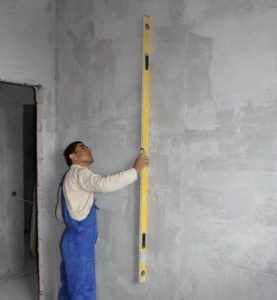
The following guidelines must be followed when processing by hand:
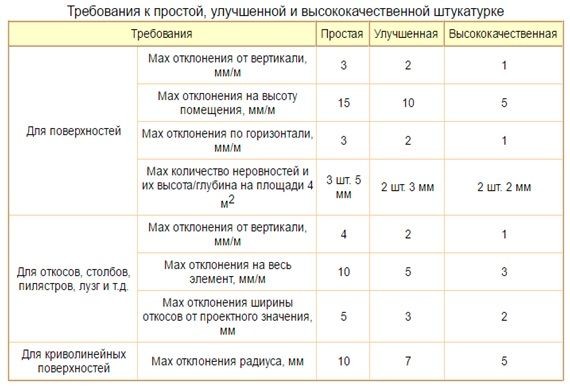
- after covering a surface of 4 m2, the wall should not have more than 2 irregularities, and deviations should not exceed 2 mm;
- The wall humidity should be about 8%. It is quite difficult to determine this factor. At high humidity levels, wet spots may appear on the walls or mold may form. In this case, you need to let the wall dry out;
- the deviations of the slopes for the door or windows should not exceed 1 mm. Deviations of curved sections should not exceed 5 mm.
You must ensure that the work is done correctly after finishing it. Look over the treated wall to accomplish this. Its surface should be smooth, even, and free of obvious flaws. The requirements for various plaster types are shown in the table below.
Superior plaster provides a multipurpose and long-lasting answer for external and interior surfaces. It is popular with both professionals and homeowners due to its ability to produce finishes that are both aesthetically pleasing and smooth. Plaster can greatly improve the aesthetic appeal and practicality of your walls, whether you are building a new structure or remodeling an existing one.
The durability of premium plaster is one of its main advantages. Superior quality plaster is less likely to wear down and crack over time than less expensive alternatives. In the long run, this saves you time and money because there will be fewer repairs and maintenance. It can also be painted or decorated with ease, offering countless customization and design options.
The enhanced indoor air quality that premium plaster can offer is an additional benefit. By absorbing and releasing moisture, it naturally controls humidity, which can contribute to the creation of a healthier living space. This is especially helpful in places where mold and mildew growth are frequent problems.
Purchasing premium plaster also indicates that you are selecting an environmentally friendly substance. Compared to synthetic alternatives, many premium plasters are composed of natural materials and have less of an adverse effect on the environment. Because of this, it’s a fantastic option for anyone trying to design more ecologically friendly and sustainable structures.
In conclusion, there are a lot of advantages to employing premium plaster in your building or remodeling projects. High-quality plaster is a wise choice for any building project because of its strength, beauty, and benefits to the environment and health. Selecting this excellent material will guarantee a stunning, long-lasting finish that will not fade.
When it comes to building and remodeling, high-quality plaster is revolutionary because it offers a smooth, long-lasting finish that improves the visual appeal of ceilings and walls. When applied, it not only makes a space look better, but it also shields surfaces from moisture and cracks, extending their lifespan. A strong, long-lasting foundation can be ensured by homeowners and builders by investing in high-quality plaster, which is why it’s an essential component of any building or remodeling project.


