
A common building and renovation material is cement-sand plaster, which is robust and adaptable. It is a well-liked option for both builders and homeowners due to its strength, affordability, and ease of application.
To make a smooth and workable paste, cement, sand, and water are combined to create this kind of plaster. It produces a level, sturdy surface on walls or ceilings that is ideal for painting or other finishing techniques. Due to its excellent adhesion to a variety of surfaces, it’s also great for repairing damaged areas.
The resilience of cement-sand plaster is one of its primary advantages. It provides long-lasting protection, is resistant to cracking, and endures severe weather. This material offers a dependable solution whether you’re working on new construction or remodeling an existing structure.
The characteristics of cement-sand plaster, application techniques, and best practices will all be covered in this article. Knowing the fundamentals of this plaster, whether you’re a professional builder or a do-it-yourself enthusiast, will give you the confidence you need to take on your next project.
For both interior and external walls, cement-sand plaster is a flexible and long-lasting solution that offers a sturdy, even, and weather-resistant surface. It is an inexpensive option for many building projects because it is made of just three simple ingredients: cement, sand, and water. This plaster is very adaptable and simple to use. It can be used to create a variety of textures and finishes that will improve the visual appeal of any building. For both new construction and renovation, cement-sand plaster is a dependable and efficient way to achieve a high-quality surface.
- Features of cement-sand plaster
- Types of plaster composition
- Preparatory stage of work
- Technology of using plaster
- Economical use of resources
- Making your own sand mixture
- Types of plaster
- Using the mixture
- Manufacturers of plaster mixture
- Video on the topic
- Cement sand plaster, part 2
- Hopper bucket. DIY cement plaster
- Cement-sand plaster
- Cement Sand Plaster. From A to Z. Master Class. Manual application. By lighthouses.
- Cement-sand plaster, subtleties in work, result!
Features of cement-sand plaster
There are several benefits to using the building mixture for leveling and insulating surfaces.
- versatility – suitable for finishing external facades, balconies, as well as walls inside the house;
- moisture resistance – plaster made of cement and sand lies evenly on surfaces in rooms with high humidity, preventing liquid seepage;
- thermal insulation – maintains acceptable temperature conditions indoors;
- sound insulation – sand plaster does not allow environmental noise to pass through;
- no fire hazard – the composition of the mixture complies with flammability standards;
- quick application time – the sand solution spreads easily onto the surface and dries quickly;
- environmental friendliness – cement and sand are natural, natural building materials;
- durability – resistance to damage and external mechanical influences;
- decoration – natural color, smooth surface after applying the solution makes it possible to change the design of wall decoration;
- profitability – optimal price of sand plaster.

It is required to use a binder, filler, and solvent in the finishing mixture composition. Cement, sand, and water are the three primary components of finishing mortar. The quality of the filler, which affects the strength and dependability of the sand mortar used to plaster walls, must be considered when selecting a bulk material. The properties of the surface that needs to be treated should be considered when buying cement.
Construction admixtures, such as copolymers, plasticizers, lime, gypsum, and glue, are added to the sand-cement mixture to improve its quality, strength, flexibility, and resistance to wear. The addition of additional ingredients shortens the mixture’s hardening time while improving the solution’s plasticity and moisture resistance.
In addition to its advantages, TsPS plaster has drawbacks.
- possible appearance of cracks due to an incorrectly chosen option for preparing and applying the sand mixture, as well as due to subsidence of the building during long-term operation;
- use of sand mortar only at positive temperatures;
- before application, additional preparation of the internal and external surfaces using a primer mixture is necessary;
- carrying out construction work manually;
- possibility of applying only one layer of cement plaster.
Types of plaster composition
The finishing surface’s properties determine the sand mixture’s composition. For interior walls, a basic solution-making method is utilized for room decoration, concealing building flaws, and antimicrobial surface treatment when mold or mildew is present. Sand plaster is applied using a soil mixture in stages to get the best possible result.
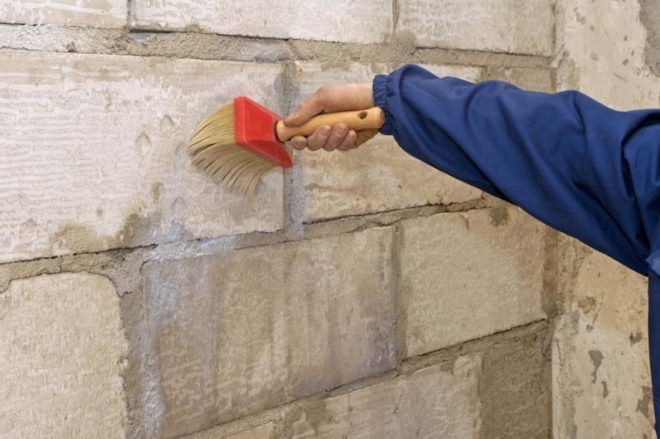
The traditional plaster mixture of sand and cement is applied to building facades, loggias, and balconies. There are various steps involved in applying mortar:
- Rough layer – preliminary stage of preparing walls for finishing.
- Primer layer – application of surface treatment solution.
- Cement-sand layer – uniform distribution of the mixture using special construction tools.
More steps must be taken in order to treat high humidity rooms: first, apply a primer layer twice, and then, for waterproofing, secure with a layer of dry cement.
Preparatory stage of work
Sand-cement mortar must be used to prepare the surface for finishing before plastering walls. The initial stage of processing is contingent upon the attributes of the walls.
- sheathing made of slats, shingles;
- applying a primer;
- use of metal mesh.
- sheathing;
- removal of residual dirt and dust;
- applying glue;
- use of metal mesh.
- cleaning with sandpaper;
- removal of protrusions;
- applying a primer layer.
Lathing, stripping, and then applying a primer layer are the initial steps in getting buildings ready on the outside. Brick, concrete, and wood external surfaces need to be treated at temperatures above zero.
Regardless of the surface material, the preparatory stage of work entails cleaning to remove dust, dirt, and stains, as well as removing construction flaws like gaps, bulges, and protrusions. Waterproofing is achieved by applying a layer of protection using a glue and primer mixture. If you’d like, you can stop mold and fungus growth by applying an antibacterial solution.

Construction beacons are metal fasteners that are fixed vertically along the height of the wall. They must be installed on the surfaces prior to plastering the walls with sand-cement mortar. Extra components are supplemental tools for precisely assessing the finishing layer’s level. The beacon must be installed, which requires the application of gypsum pointwise at half a meter intervals along the surface’s height. Diagonal levels must be used to ensure that elements are fastened proportionately. A paint beacon should never be more than 1.5 meters apart horizontally.
Technology of using plaster
The primary phase of the task involves getting the required construction tools ready. Materials are required for surface preparation and sand mortar application. Additional tools are required to make spreading plaster over the wall easier after basic tools are needed to prepare the cement mixture.
| Basic | Auxiliary |
| plastering ladle | cord made of fishing line, nylon |
| aluminum, wooden slats | spray |
| Putty knife | hammer |
| vertical, horizontal level | chisel |
| painting beacons | saw |
| Shovel | paint brush |
| container for solution |
Economical use of resources
The type of filler or binder used determines the size proportions of the sand mortar. The way the building mixture looks is used to calculate the amount of water. It is important to keep an eye on the volume when adding extra admixtures; the mass of the auxiliary ingredients shouldn’t be greater than the mass of the cement. The amount of building materials used is determined by the anticipated number of layers. You will typically need 6 kg of binder and 18 kg of filler per square meter of sand mixture.

Building material manufacturers provide pre-made mixes that already include gypsum and lime; all that is needed to use them is liquid. The sole negative aspect of this plaster is its expensive cost. A less expensive way to make mortar is to combine water, cement, and sand yourself.
Making your own sand mixture
A suitable volume container must be used to combine the building materials in order to obtain a finishing solution. The autonomous preparation of plaster from sand and cement necessitates following the right mixing procedure and proportions.
- Mix sifted sand and cement in a 3:1 ratio in a dry container using a shovel.
- Pour water into the prepared container, the level of which reaches half of the bucket or basin.
- Slowly add the dry mixture of cement and sand into the container, stirring constantly until a thick mass is obtained.
- After 15 minutes, stir the solution again.
If you are making your own plaster, you should use medium-sized sand and avoid adding any silt, dust, or clay impurities to prevent cracks from showing up after application. A smooth surface will not be obtained by using large filler particles.
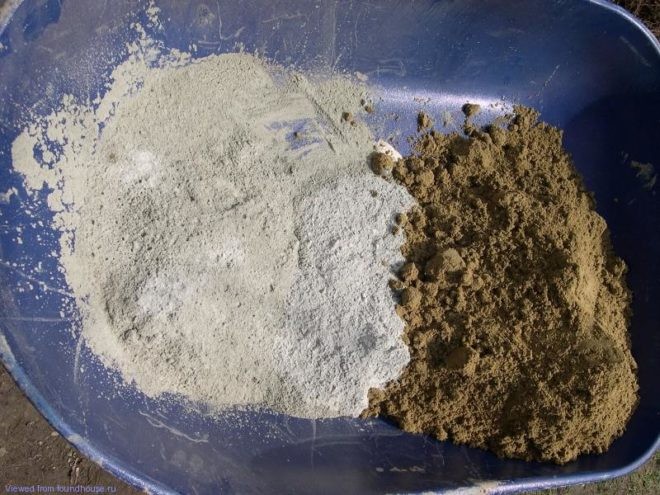
Counseling! It is not advised to use a lot of sand mortar mixture. When the mixture is used excessively, a large amount of plaster is produced that is not usable because it hardens after a while.
Types of plaster
The primary binder component and the intended use of the solutions vary amongst construction mixtures. Prior to painting and hanging wallpaper, surfaces are leveled and treated with sand, cement, and gypsum. Both exterior facades and interior walls can be finished with sand plaster. Cement and gypsum mortars can have impurities added to them to increase their quality, longevity, sound insulation, and fire safety. For ornamental surfaces, mineral plaster and stone are utilized.
The building mixture’s primary binding element is:
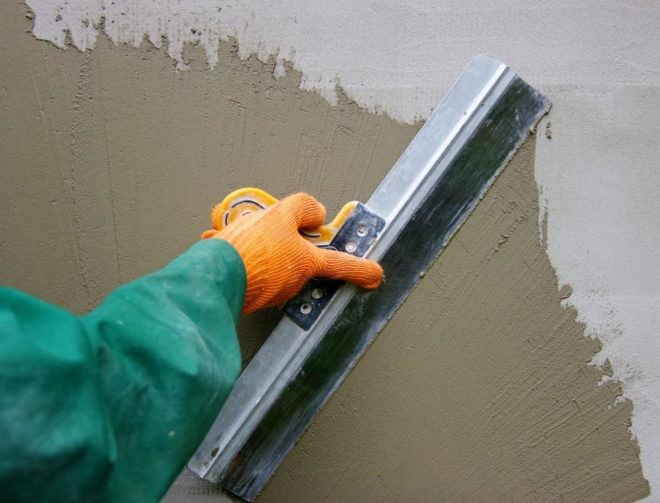
Cement-infused sand plaster is strong and resistant to mechanical harm. Gypsum is used to quickly fix construction flaws because it is not moisture resistant. Lime has the advantages of being easily distributed and drying instantly after application.
Using the mixture
Plaster with a gypsum base shouldn’t be used in unheated buildings or in rooms with high humidity. Surfaces are supposed to be leveled before decorating with gypsum mixtures. Any type of material can be used to treat exterior facades and interior walls using sand-cement mortar.
Manufacturers of plaster mixture
You can use ready-made sand plaster from well-known global brands to level the walls:
- Knauf is a manufacturer of gypsum, cement, and soil mixtures for treating silicate, brick, ceramic, and concrete surfaces.
- Volma is a Russian manufacturer of plaster mixtures for finishing internal and external facades.
- Yunis Silin – manufacturer of mortars for leveling indoor walls, facades of balconies, loggias.
| Characteristic | Description |
| Composition | Made of cement, sand, and water |
| Application | Used for leveling walls and ceilings |
| Benefits | Durable, strong, and resistant to moisture |
| Preparation | Mix cement, sand, and water to a consistent paste |
| Drying Time | Takes about 24-48 hours to dry |
| Maintenance | Easy to repair if damaged |
A dependable and adaptable option for a variety of construction projects is cement-sand plaster. Professionals and do-it-yourselfers alike love it for its robust adhesion to a variety of surfaces and longevity. Its affordability and simplicity of use are additional factors in its appeal.
The resilience of cement-sand plaster to inclement weather is one of its key advantages. This makes it a fantastic choice for walls on the inside as well as the outside. Because of the mixture’s flexibility, you can choose between a smooth and textured finish based on your personal style.
To get the best results, it’s crucial to mix the plaster properly and apply it precisely. Over time, poor application or mixing can cause cracking and other problems. A durable, excellent finish is ensured by using the right methods and procedures.
All things considered, cement-sand plaster is still a good option for anyone wishing to improve their building projects. Because of its strength, adaptability, and affordability, it is the perfect choice for a variety of building applications. This type of plaster can help achieve a polished and long-lasting finish whether you’re building a new home or remodeling an existing one.


