
Businesses wishing to grow without the financial strain of buying land may find it wise to lease industrial plots. Whether your business is new or well-established, knowing how to lease industrial land is essential to helping you make decisions that support your objectives.
Industrial plot leasing involves a number of important steps, all of which are intended to make sure that the transaction benefits both the lessor and the lessee. Every step of the process, from choosing the ideal site to negotiating the terms of the lease, calls for considerable thought and preparation. Businesses can find the perfect plot that fits their operating needs and budget by taking an organized approach.
We will take you step-by-step through the entire industrial plot leasing process in this guide. We’ll go over how to evaluate your needs, locate appropriate property, handle the application process, and sign the lease. This post attempts to streamline the leasing process with useful advice and insights, so you can find the ideal industrial plot for your company more easily.
- What is industrial land in the Russian Federation??
- Terms of use
- Registration of land for production
- Nuances
- What to do if you refuse?
- Video on the topic
- Transfer of land for lease without tendering for the creation of industrial parks
- Tips for renting commercial property #shorts
- Are you renting an apartment?? YOU SHOULD WATCH THIS
- Land lease
- Preferential lease of state land plots!
What is industrial land in the Russian Federation??
Special categories of land designated for the operation of industrial facilities are defined by current legislation. These spaces are typically found outside of residential structures, which are components of the city’s infrastructure.
The applicable Land Code of the Russian Federation, Article 88, governs the process for setting up allotments. The Land Code of the Russian Federation’s Chapter 13 and Article 8 of the standards, respectively, specify the process and accountability for operation for the transfer of national resources to the proper category of industrial use.
The land category is not a formal feature in the generally recognized definition of land use. The indicated group of territories is:
- in acts of authorities,
- contracts,
- cadastre register,
- other documents.
Lower standards for soil fertility and quality distinguish industrial areas from economic zones and properties used for individual home construction.
Terrain, distance from transportation hubs and populated areas, and climate are factors considered when determining the location of industrial facilities.
The following categories of land use have been defined by the legislator for business owners who intend to engage in specific activities:

- Areas where complexes related to the space industry are located. Enterprises, control centers, and special-purpose sites are concentrated here. Characterized by strong distance from residential areas.
- Territories for arrangement of engineering highways and communications.
- Areas allocated for use by defense enterprises and organizations working in the field of security.
- Areas where geological exploration is being carried out or mineral resources are already being developed.
- Territories occupied by transport networks. These are roads and railways.
- Land plots allocated for the development of nuclear energy.
- Territories for general industrial purposes.
Terms of use
The Land Code’s article 39.8 outlines the requirements and justifications for creating a lease agreement for state-owned property.
The following terms of use are assigned to industrial areas:
- From 3 to 10 years for cases of reconstruction work or construction of special facilities;
- From 3 to 5 years for comprehensive development;
- For the period of validity of previously concluded development contracts and investment projects;
- Existing agreements can be extended for a period of no more than 2 years after the expiration of the subsoil use license.
Lease agreements have a maximum term of 49 years.
Industrial plot leasing can be a complicated process, but with the correct advice, it can be made simple and controlled. This article explains every stage of the process, from finding appropriate property and comprehending zoning regulations to settling on lease terms and signing contracts. Businesses and individuals can confidently navigate the leasing process and secure the perfect location for their industrial needs by adhering to this comprehensive guide.
Registration of land for production
Local governments are responsible for distributing land, one of the planet’s most valuable resources. The request is for officials to set aside land for commercial expansion.
The location of the production facilities’ coordinates must already be known to the entrepreneur at the time of application. You can use publicly available data or hire specialized consulting services to accomplish this.
In addition to state institutions, economic entities (individuals or legal entities) may also be the owners of industrial land.
The primary barrier to registration continues to be the intended use. Should an abandoned bakery be located on the property and a wastewater treatment plant be required, you will have to follow the protocols for securing permits and acquiring technical specifications. It will not be feasible to finalize an industrial site lease without this.

Get in touch with the direct owner to acquire the authority to possess a region and grow a business there.
It turns out that there aren’t any available plots for industrial development in reality.
Because of this, applicants start using the agricultural land fund to create industrial plots.
From business ideas to formal appeals to local authorities, they go through stages.
Regarding the request for the assignment of production and industrial development sites Attached are the following documents:
- Constituent;
- Registration;
- Identity card;
- Power of attorney when acting as a representative;
- Cadastral parameters of the site;
- Justification for transferring land to another category.
The application for the conclusion of an agreement is accompanied by a receipt confirming the deposit payment. This money will be used to cover your anticipated rental payments if you win the auction. If lost, it is given back.
Environmental plans and a technical plan for the territory’s development are also necessary for the first stage of approval to be passed.
Nuances
Industrial territories are currently worth a lot less than comparable areas of agricultural land plots. Plots must thus be transferred to the appropriate category as part of the registration process for industrial land.
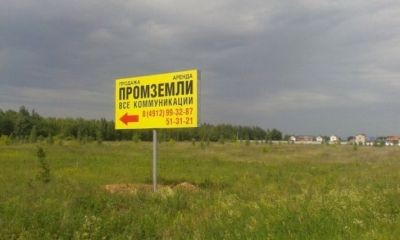
Applicants must wait for the application to be processed after it has been accepted by the Department of Land Resources.
Three months are allowed for reviewing the legality of reversing the direction of a territory’s use and the accuracy of document processing (Article 3 Federal Law No. 172 dated 21.12.2004.)
In the event that departmental bodies grant applications, the following two possibilities are available:
- Bringing an object planned for lease to official auction. Applies to plots that are registered in the cadastral register:
- The layout of the allotment on the map is being worked out for subsequent approval.
- Cadastral works are being carried out.
- Registration of the rights of the new owner starts.
- Connection to communications is planned.
- Within a month from the date of application an agreement is signed based on the consent of the parties. This method for business will take a long time, since it will be necessary to find out the owners of the territory and their relationship to land reserve funds.
What to do if you refuse?
It is standard procedure to reject applications for the use of websites selected by companies. The applicant has the right to challenge the denial in court if he believes it was made without cause.
Within three months of the application’s rejection date, the claim must be filed in order to take part in easement procedures.
The majority of appeals are viewed favorably by the courts, with the exception of situations in which the lands being claimed are taken out of circulation.
| Step | Description |
| 1. Research | Investigate available industrial plots and gather necessary information. |
| 2. Initial Contact | Contact the property owner or leasing agent to express interest. |
| 3. Site Visit | Schedule a visit to inspect the industrial plot in person. |
| 4. Negotiation | Discuss lease terms, rent, and conditions with the owner or agent. |
| 5. Agreement | Review and sign the lease agreement, ensuring all terms are clear. |
| 6. Documentation | Provide required documentation, such as business permits and identification. |
| 7. Payment | Make initial lease payment as agreed in the contract. |
| 8. Handover | Receive keys and officially take possession of the industrial plot. |
| 9. Setup | Prepare the plot for your industrial activities, setting up necessary infrastructure. |
Industrial plot leasing can be a complicated process, but it can be made easier to handle by being aware of the essential steps. There are multiple steps in the process; the first is choosing an appropriate plot, and the last is signing the lease. Every stage of the process must involve careful investigation and due diligence to guarantee that the plot satisfies your business requirements and conforms with all legal requirements.
It is essential to interact with local government and be aware of zoning regulations. The kinds of activities that are allowed on the plot may be greatly impacted by these rules. In order to make sure the location can accommodate your operational needs, it’s also critical to evaluate its accessibility and infrastructure. Take into account elements like accessibility to main thoroughfares, utility availability, and room for future growth.
Another important thing to do is to negotiate the terms of the lease. Keep a close eye on the length of the lease, the options for renewal, and any associated expenses. It is advisable to consult legal counsel to make sure that all terms are equitable and well-defined. Your company’s operations can benefit from stability and predictability from a well-negotiated lease, which also gives you room to grow and adapt.
Maintaining the property in accordance with the terms of the lease and managing the landlord’s relationship are crucial after the lease is signed. In order to avoid conflicts and guarantee a positive leasing experience, regular communication and adherence to maintenance obligations are essential. Businesses can successfully lease industrial plots and support their long-term growth and success by adhering to these guidelines and maintaining awareness.


