
Growing a garden on an agricultural property presents a special set of advantages and difficulties. These areas, in contrast to conventional backyard gardens, are frequently larger and have particular guidelines that need to be followed. Gaining an understanding of the unique qualities of agricultural lands will help you get the most out of gardening.
The availability of space is a crucial aspect of gardening on agricultural land. You can grow a greater range of plants, from fruits and vegetables to herbs and flowers, if you have more space to grow them. In addition to increasing biodiversity, this makes crop rotation more effective, which over time can lead to improved soil health.
On agricultural land, gardening does, however, also call for careful management and planning. Due to the area’s size, labor-intensive chores like weeding, watering, and pest control may become necessary. To properly maintain your garden, you need to have the right tools and a clear plan in place.
An additional crucial element to contemplate is the legal structure overseeing agricultural territories. You might have to abide by particular land-use restrictions, zoning laws, and environmental considerations. By becoming familiar with these guidelines, you can make sure that your gardening endeavors continue to be sustainable and compliant.
Gardening on agricultural land can also promote a sense of belonging and a connection to the natural world. Collaborating with fellow farmers or gardeners can yield insightful information and helpful advice. Working the land is a fulfilling endeavor on many levels, as it encourages both physical and mental well-being.
General information about the category
Large tracts of land, the majority of which are designated for agricultural use, make up the Russian Federation.
These "green spaces" are among the most valuable resources in the nation since they are utilized for the following things:
- agricultural production;
- creating the necessary infrastructure;
- production activities;
- product processing;
- construction of residential and commercial buildings;
- transport needs;
- permanent residence.

The Russian Federation’s Land Code states that agricultural lands are meant to support the entire cycle of producing agricultural goods, which explains why there is such a vast array of potential uses for them.
In other words, farmland can serve as the "home" for the administrative building, as well as for warehouses and worker housing, should the need arise.
The majority of the time, land plots classified as "Gardening" are also found on properties falling under this target category.
Features of plots located on agricultural lands
There is a common understanding of "gardening." For the majority of Russians, it entails obtaining land lots where they can cultivate fruits and melon crops, shrubs, vegetables, and just unwind.
According to Federal Law No. 217 of Russia, people who are members of the following communities are eligible to garden on agricultural land for their own needs:
- Gardening partnerships (SNT).
- Horticultural non-profit cooperative (SNK).
- Horticultural non-profit partnership (SNP).
Based on the VRI Classifier, these lands have a common code of 13.2. They permit owners to:
- construction of an individual residential building in which the owner will reside periodically (without the right to register with the Federal Migration Service);
- construction of any related and outbuildings (bathhouse, garage, barn, poultry house, gazebo, etc.).d.);
- growing vegetables, berries, trees and shrubs, melons;
- growing flowers or mushrooms, etc.d.
The type of ownership of the land plot may also vary depending on how it was obtained, including whether privatization or allotment was done.

Horticultural lands can be owned in a number of ways:
- individual – a citizen can be the legal owner of a piece of land located within the garden partnership;
- collective – only the right to use a land plot owned by SNT is acquired.
2019 saw the enactment of Federal Law No. 217-FZ, a new law "on gardening," which will limit gardening to a non-profit partnership.
Residential structures situated on agricultural lands with the VRI "Gardening" were also impacted by significant changes. Gardeners will have the ability to construct and register in year-round permanent residential buildings. Utility and infrastructure conditions have also greatly improved.
It’s important to know exactly what you want to do with the land before you buy a gardening plot. For this reason, it is crucial to consider both the type of permitted use and the land’s classification.
For instance, "gardening" is the classification code VRI 1.5. However, these areas aren’t ideal for leisure or weekend trips with the whole family to the lush lawn shaded by young apples and cherries.
Earth from VRI 1.5 are meant for farming and should only be used by individuals who plan to start a serious gardening-related business.
Growing a garden on agricultural land presents both special advantages and difficulties. Large-scale gardening endeavors are best suited for these lands because they are usually more expansive and fertile. On agricultural land, however, successful gardening necessitates thoughtful planning and management to preserve soil health, efficiently manage water resources, and guarantee sustainable practices. Gardeners can create profitable and flourishing gardens that support food production and land stewardship by knowing the unique requirements and potential of agricultural lands.
Construction
The following items may be built on a land plot owned by the owner under the specific permitted use of "Gardening" (without permission or approval):
- bath;
- garage;
- barn;
- outdoor toilet;
- gazebo of any complexity;
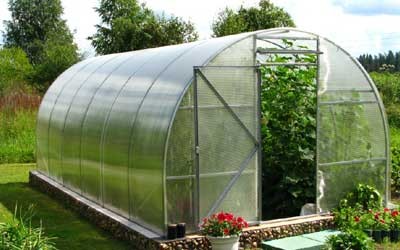
- greenhouses;
- garden house for relaxation;
- vegetable storage, etc.d.
Adherence to SNiP No. 30-02-97 regulations is a crucial prerequisite for building any kind of structure on a land plot. They include building distances, basic building requirements (number of floors, area, etc.), and other guidelines for designing and creating your own garden plot.
Useful video
Take a look at this educational video to learn about common mistakes that can be made and how to avoid them when beginning construction on agricultural land.
| Feature | Description |
| Soil Quality | Ensure the soil is fertile and well-drained for healthy plant growth. |
| Water Access | Reliable water sources are essential for irrigation. |
| Sunlight | Most plants need full sun; plan your garden layout accordingly. |
| Crop Rotation | Rotate crops to maintain soil health and reduce pests. |
| Organic Practices | Use natural fertilizers and pest control methods to protect the environment. |
| Local Climate | Choose plants that thrive in your local climate conditions. |
Growing a variety of crops in a garden on agricultural land is a unique opportunity that enhances both personal satisfaction and food security. You can turn a plot of land into a productive garden that produces fresh fruits, vegetables, and herbs with a little bit of work and thoughtful planning.
The ability to grow your own food ensures that it is fresh and free of harmful chemicals, which is one of the main benefits. Furthermore, gardening can be a calming and fulfilling pastime that gives you a sense of success as you see your plants grow and yield fruit.
To make wise choices about what to plant and how to take care of your garden, it’s crucial to comprehend the unique features of agricultural lands, such as soil type and climate. With the right crops chosen and efficient cultivation methods used, a successful gardening experience is ensured.
To sum up, gardening on agricultural land is a rewarding hobby that combines the satisfaction of producing your own food with the useful advantages of sustainability and independence. You can create a thriving garden that improves your lifestyle and encourages a healthier, more sustainable way of living by becoming familiar with and adjusting to the special features of your land.


