
The durability and aesthetic appeal of your concrete façade greatly depend on the paint you choose. With so many choices, it’s critical to know which paint will work best for you and endure the weather. We’ll walk you through the most important things to think about when choosing façade paint for external concrete surfaces in this post.
Knowing the various types of paint that are available is the first step towards selecting the appropriate paint. There are numerous types, such as paints made of acrylic, elastomeric material, and epoxy. Benefits specific to each type include durability, flexibility, and resistance to weather. Making an informed choice can be aided by being aware of the distinctions.
Next, think about the particular environmental circumstances that your building will encounter. Variations in temperature, humidity, and sunlight exposure can all have an impact on how long your paint lasts and looks. Choose a paint that is both UV protected and climate-adapted for your area.
The preparation of the concrete surface is another crucial element. In order to guarantee that the paint adheres well and lasts longer, proper cleaning, repairs, and priming are necessary. You can avoid future expensive repairs and repainting by taking the time to prepare.
Finally, consider the visual appeal. The façade paint’s color and quality can have a big impact on how your property looks overall. Select a hue that accentuates your building’s curb appeal and fits in with your overall design concept. Your concrete façade can have a gorgeous appearance and long-lasting protection with the correct paint.
Features of concrete surface
One of the earliest building materials is concrete. When the material was first created, it was primarily made of cement and sand or lime.
The concrete surface is generally adorned with different facing materials, giving it a rather dull and gray appearance.
Paint with good surface adhesion is needed to protect the concrete base because of its increased porosity and roughness, which allow it to absorb and retain a lot of moisture in the surface layer.
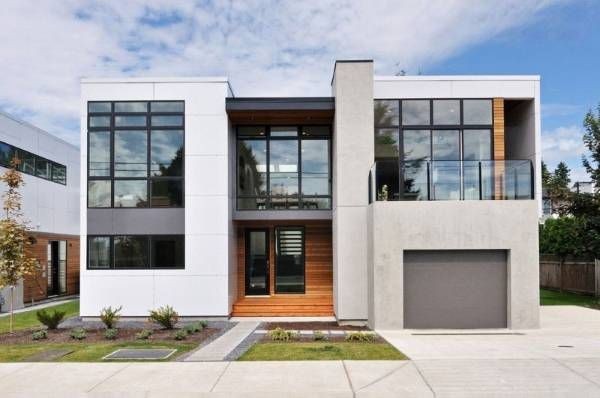
The concrete is incredibly strong, stable, and long-lasting, even though the surface still needs some finishing.
What properties should concrete paint have?
Given the unpredictable nature of concrete walls, there should be more requirements for dyes used on these surfaces:
- adhesive properties. Facade paints must have a high penetrating ability for deep adhesion to the surface. To improve these properties of painting materials, it is recommended to prime the surface before painting;
- moisture resistance. Considering the ability of a concrete coating to absorb moisture, manufacturers add special additives to painting materials that can repel water. The higher this ability, the better the paint;
- wear resistance. An important indicator that characterizes the service life of the dye, its abrasion. The more aggressive influences a coloring material can withstand, the higher its endurance rating;
- resistance to solar radiation. Ultraviolet radiation negatively affects the coloring pigment of paint: with low sun resistance, paint quickly loses color saturation, brightness and attractiveness, and can peel off. Exterior paints must have high resistance to sunlight;
- vapor permeability. The chemical composition of paints must be designed in such a way as to have the ability to release accumulated moisture. Considering that concrete easily absorbs moisture, with a completely sealed coating it will accumulate between the surface and the coating, which will lead to the destruction of the dye and the base during temperature fluctuations;
- resistance to dirt. Most paints have good resistance to dirt: they are not able to absorb dirt, easy to clean. The smoother the painted surface, the less susceptible it will be to dust and dirt accumulation;
- drying time. The fastest possible drying of the external paint material ensures the least likelihood of getting caught in the rain, the faster the paint dries, the better;
- consumption per 1m2. Concrete requires a large consumption of paint, so you should start from the characteristics of the selected paint;
- saturation. The indicator is directly related to consumption: the higher the saturation, the lower the consumption. A concrete base requires complete painting, since gray flashes of the coating are not aesthetically pleasing and unattractive.
External paints may include certain elements that are hazardous to health because of their increased strength and resistance to wear and tear.
It should be remembered that these paints are not appropriate for use indoors.
What paints are suitable for painting a concrete facade?

To coat a concrete facade, various dye types are employed.
Among them are coatings that adhere to the specifications needed for external cladding materials to function.
Concrete base painting coatings are categorized based on their composition:
- acrylic. Contains polymers and polyacrylates. A variety is latex cladding. Paints are resistant to moisture, wear-resistant, free of harmful impurities, elastic. They have poor frost resistance and are quite expensive;
- water-epoxy. They are universal not only for concrete surfaces, but also for other. They have high moisture resistance. It is not recommended to use in places of frequent sunlight: there is a high probability of weakening the brightness of the color;
- polymer. They have good wear resistance, withstand both high and low temperatures, and are resistant to aggressive chemical compounds. They have a long drying time and are quite expensive;
- vinyl. They are capable of quite effectively painting a concrete surface with one layer, are varied in color, and are quite wear-resistant;
- acrylic-silicone. Resistant to the sun, have the positive characteristics of acrylic paints, durable, suitable for outdoor and indoor use.
Furthermore, paints that are used for the exterior coating include:
- dissolves in water – contains synthetic resins and is environmentally friendly;
- dissolved by organic solvents – contain flammable substances, vapor-tight, less popular.
Apart from the compositional and preparational characteristics of paints, there exist materials with a smooth structure that is appropriate for a perfectly smooth surface, textured surfaces that are suitable for surfaces with minor defects, and matte and glossy surfaces that differ in how sunlight is reflected.
For external use, selecting the appropriate façade paint for concrete is essential to the longevity and aesthetics of your house. The correct paint not only improves curb appeal but also offers protection from UV rays, moisture, and inclement weather. Important things to think about are how long the paint will last, how well it can tolerate different temperatures, and how easily it will peel and crack. Color and finish should also reflect your personal style and blend in with the overall design of your home. Your home’s exterior will continue to be vibrant and safe for many years if you make the right decision.
What paint is best for concrete?
The paint’s capacity to offer vapor permeability serves as a guide when selecting a paint for painting a concrete facade. It’s critical to consider the composition’s thickness and consistency.
You can choose paints with a high degree of mechanical resistance for a concrete base, such as water-epoxy. The vapor permeability of paints with a textured structure is superior.
Furthermore, it is advised to select paint that reflects light as much as possible, as this will reduce the chance of fading.

Preparing the base for painting
An inadequately robust upper layer on the concrete surface can detract from the painting’s quality. Several steps should be taken to prepare the walls in order to guarantee maximum adhesion to the wall:
- level the surface. To do this, it is necessary to remove sharp protrusions, seal seams, cracks;
- clean the base. If there are oil stains, they should be removed with concrete (the thickness of the recess is up to three centimeters), and the recess should be sealed with fresh mortar. Clean the entire surface from dust and debris.
It is advised to give the surface a pressure-washed rinse with water from a hose to remove the thin, fragile layer that is on top and prevent paint from sticking to the surface.
Strong pressure can also wash out the wall’s recesses, which is advantageous because if the walls were painted, the paint would eventually wear off and the area would need to be sealed in addition to the painted layer.

After that, new solution should be added to the depressions and allowed to dry completely.
Painting technology
The entire concrete surface needs to be primed before painting. To do this, select a primer based on the type of paint being used.
The amount of coloring material that has been rubbed into the surface is the primary sign of a high-quality painting.
A significant factor in this is the coloring technique:
- air gun. This is the best option; with this method, all the pores of the base are filled with paint, which means high-quality adhesion;
- brush. A suitable option, but requires careful rubbing of the material into the surface and is characterized by lengthy work and high labor costs. The brush often becomes clogged with sand particles, which requires constant wetting it in a solvent – this can contribute to the formation of stains that will require additional coloring;
- roller. An unsuitable option for concrete: painting occurs only on the surface, and it does not get into the pores of the base, which contributes to weak adhesion and rapid peeling.
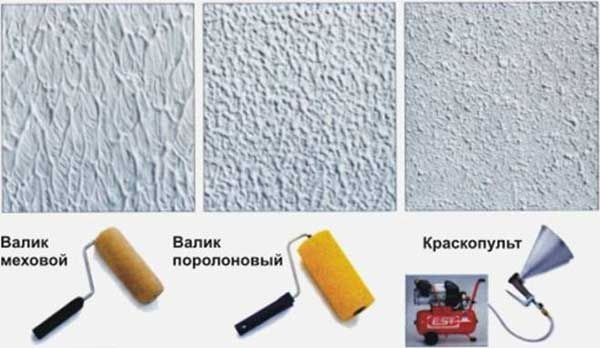
The following method should be used when coloring:
- Painting tape should be used to cover the paint border;
- work must be done from top to bottom;
- The brush should be dipped in such a way that it is covered with an even layer of color coating;
- moving up and down a small trajectory should paint small areas.
It is necessary to apply the paint coating evenly across the base. Repainting any areas that aren’t painted sufficiently is necessary.

Once the painting is finished, take off the masking tape and outline the borders with a thin brush.
Painting the facade won’t be difficult as a result. To ensure that there are no issues later, the most important thing is to carefully prepare the surface and select the appropriate paint.
| Consideration | Details |
| Weather Resistance | Choose paint that can withstand extreme weather conditions, including rain, snow, and UV rays. |
| Breathability | Opt for breathable paint to prevent moisture buildup and reduce the risk of concrete damage. |
| Color Retention | Pick a paint known for its long-lasting color to keep your façade looking fresh over time. |
| Durability | Select a durable paint that can resist peeling, cracking, and fading. |
| Application Method | Ensure the paint is easy to apply with your preferred method, whether by brush, roller, or spray. |
| Eco-Friendliness | Look for environmentally friendly paint options with low VOCs to minimize environmental impact. |
For concrete exterior use, selecting the appropriate façade paint is essential to the longevity and visual appeal of your structure. You can make an informed choice that will preserve and enhance the appearance of your façade for many years to come by being aware of the unique requirements of your concrete surface, such as its ability to withstand harsh weather and ultraviolet light.
When choosing your paint, take into account aspects like breathability, color retention, and application ease. Premium acrylic or elastomeric paints are great options because of their durability and flexibility. These paints are resistant to concrete’s expansion and contraction, so they won’t peel or crack.
Remember to adequately prepare the surface before applying paint. To guarantee that the paint adheres well and produces a smooth, even finish, cleaning and priming are necessary steps. Additionally, by maximizing the paint job’s longevity, this preparation will help you avoid wasting time or money on ongoing maintenance.
In the end, taking the time to prepare your concrete façade and choose the ideal paint will pay off with a stunning, long-lasting exterior that raises the overall value and appeal of your home. By doing these things, you can make sure that your concrete surface is safe and maintains its excellent appearance for many years.


