
Maintaining the best possible condition for your plastic windows not only improves their appearance but also increases their lifespan. In order to guarantee seamless operation and avoid potential problems like stiffness or damage, proper lubrication is essential. The performance and longevity of your plastic windows can be greatly improved by knowing when and how to lubricate them.
Plastic windows have a number of moving parts, including handles, locking mechanisms, and hinges. These parts may become stiff or squeaky with repeated use and exposure to the elements. Frequent upkeep, such as lubrication, keeps these parts operating efficiently.
Selecting the appropriate lubricant is crucial to prevent breakage of your plastic windows. Choose lubricants based on silicone rather than oil ones because the former does not draw in dust and debris, which can build up and interfere with the window’s functionality. Furthermore, silicone lubricants are less likely to cause the materials of the window to deteriorate over time.
The moving parts of the window should be well cleaned to get rid of any dirt, debris, and leftover lubricant before using any lubricant. Before beginning the lubrication process, make sure the surfaces are dry and clean by wiping them down with a soft cloth and a mild cleaner.
- Is this necessary and why??
- When and how often?
- What is the best lubricant to treat mechanisms??
- Special sets
- Silicone lubricants
- Sewing machine oil
- Mineral or synthetic lubricant
- What to choose for rubber seals?
- What not to do?
- Tools and materials
- How to coat a PVC structure yourself?
- Difficulties and errors
- Consequences of no treatment
- Average cost of services
- Video on the topic
- How to lubricate and adjust a window
Is this necessary and why??
The plastic window will repeatedly open while in operation, which causes dust to enter the fitting mechanism. The lubricant starts to thicken as a result of accumulation and eventually wears off entirely. When metal shavings from increased friction start to enter the oil, such a mass starts to acquire an abrasive effect (similar to the surface of sandpaper, for example).
This effect may cause window components to deteriorate more quickly and cause noises like clicks, rattles, or squeaks to appear. Additionally, the fittings’ moving parts will start to operate less smoothly as a result of a lack of lubrication, and the seal will become less resilient to temperature changes and start to let in cold air.
Lubricating the window mechanism is necessary to prolong its lifespan and reduce wear and tear.
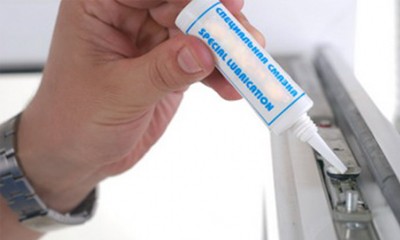
- hinges on the sashes, since this is a moving part that will quickly wear out due to excess friction;
- a locking mechanism (on the sash and impost), which at the moment of opening also rubs metal against metal, which will cause accelerated wear;
- rubber bands of the seal to improve its protection against temperature changes, as well as reduce stretching when the doors are closed (the rubber bands rub and press together).
When you complete this task on time, then:
- the wear resistance of moving parts increases, as well as those that can rub when the sash moves;
- the locking mechanism and hinges will not make unnecessary sounds;
- the opening process will be smoother;
- improved corrosion protection;
- the seal will remain elastic and will not begin to crack or stretch.
When and how often?
Window components should be lubricated one or two times a year on average; this is usually done in the fall and early summer. However, a number of variables affect how frequently processing occurs:
- if there are roads, construction sites, industrial enterprises or other objects near the house that can generate excess dust, then the oil will wash off faster;
- climatic conditions under which dust storms occur;
- frequent opening of windows in the warm season.
Given these circumstances, it is advised to clean and then lubricate three to four times a year.
Regarding a note. The process should be performed at positive temperatures (at least +10–15 °C), as lower temperatures will hinder the oil’s ability to spread through the mechanism.
If you hear unnecessary noises (such as creaks, rattles, or clicks), you should lubricate the machine right away rather than waiting until the right moment.
What is the best lubricant to treat mechanisms??
The following are employed in the processing of PVC structure mechanisms:
Special sets
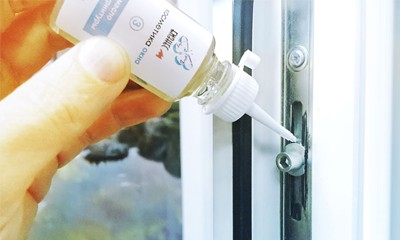
Specialized window kits that include lubricant made of silicone.
When this product is applied to the metal surface, a thin protective film is created that lowers friction, stops corrosion, and has a high strength (it wears off over time).
Most frequently offered as a spray bottle or tube. For instance, the Panorama set (220 rubles per set) comes with detergent for PVC profiles and lubricant for fittings and seals.
Certain specialty lubricants, like Weicon, don’t contain silicone. a 200 ml container filled with a composition based on oil or Teflon meant to lubricate the window’s moving parts. Pieces cost 1300 RUR on average.
Silicone lubricants
Universal silicone lubricants are used to handle moving metal components in bicycles, cars, and door structures, among other things.
Usually offered as a spray, but occasionally it may also come in tubes or bottles. This product has the advantage of being less expensive than a professional window lubricant and being easier to locate. Representatives include Fill inn (140 ml aerosol for 130 rubles) and WD-40 Specialist (270 rubles for a 200 ml spray).
Sewing machine oil
Specialized sewing machine oil Moreover useful for lubricating windows’ moving parts. Although the product’s lifespan will be shortened, it can stop the mechanism from wearing out. Sewing machine oil is typically supplied in the form of an aerosol or tiny plastic bottle.
Some of these lubricants—which resemble refined machine oil—are composed of Teflon. For instance, the Hobby company sells Cinderella oil (50 ml for 60 rubles), which is used in sewing machines and power tools, and the Weicon company sells Teflon lubricant in a spray bottle (400 ml for 1500 rubles).
Mineral or synthetic lubricant
If the situation calls for it, you can use any mineral or synthetic lubricant as long as it is free of solvent, acid, and other harsh ingredients. Since these oils frequently have a texture that is too fluid, they are appropriate for the temporary treatment of moving parts.
The packaging should also state that rubber and plastic won’t be harmed by this kind of lubricant. Because they are too thin, window spindle lubricant and diesel engine oil are not appropriate.
What to choose for rubber seals?
Use technical silicone lubricants or special products found in window care kits (which can be purchased separately) to lubricate rubber seals. As an illustration:
- A specialized set from Fenosol, called Fenoflex, includes a sealant care product. The cost of the set is 850-900 rubles.
- Technical silicone from Sinicon is presented in the form of a 250 g tube for 250 rubles.
In certain instances, the silicone-based oil used to lubricate moving mechanisms can also be used to lubricate the seal.
Advice: It permits the use of pure glycerin without any cosmetic additives in extreme circumstances.
What not to do?
It’s not advised to use:
- Oils based on animal fats, as well as vegetable ones. This product can only be used as a last resort and for a short period of time, since over time it begins to thicken and also attract dust or dirt. This leads to the fact that the surface of the mechanism will be covered with an abrasive mass, due to which rapid wear of parts will occur.
- Products containing aggressive substances (acids, solvents) can destroy the protective layer on the metal, which prevents corrosion, causing the surface of the parts to begin to rust and wear off.
- Automotive oils. They have too liquid a base, as well as insufficient purity. This lubricant absorbs dust faster and wears off.
- Vaseline, creams, gels and other improvised means also not suitable for processing PVC windows. In some cases, Vaseline can be used to lubricate the seal, but it does not tolerate temperature changes very well, which is why it will have to be updated frequently. Other cosmetics, after drying, leave a sedimentary layer that can damage the moving parts of the fittings and also lead to the destruction of the seal.
Tools and materials
For tasks you might require:
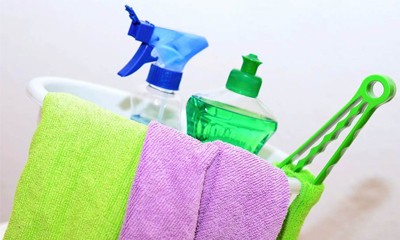
- syringe;
- lint-free cloth or sponge;
- a hard bristle brush or toothbrush;
- window cleaner (no solvents or abrasives);
- oil for hinges and fittings;
- seal lubricant;
- paper towels;
- soap solution.
Proper lubrication is essential to preserving the longevity and functionality of your plastic windows. Frequent lubrication guards against friction-related wear and tear in addition to eliminating squeaks. Silicone-based lubricants work best for lubricating plastic windows because they don’t collect dust and keep the windows operating smoothly without causing any harm to the material. Ensuring even distribution and efficacy of the lubricant requires sparingly applying it to the sliding tracks, locks, and hinges. You can make sure your plastic windows function properly and last longer by adhering to these easy steps, which will improve your home’s efficiency and comfort levels.
How to coat a PVC structure yourself?
To grease the PVC framework, you require:
- open the window sashes and pre-clean the locking mechanism with a clean napkin or toothbrush (for hard-to-reach places);
- apply lubricant to metal parts: spray from a bottle or carefully pour 2-3 drops from a syringe onto each part;
- Avoid getting oil on the rubber seals, and remove excess with napkins or paper towels;
- it is necessary to lubricate the locking mechanism in different positions of the closing handle, since all parts of the device will be treated in this way;
- Using a soap solution or window cleaner, clean the rubber seal and wipe it dry;
- if a spray is used for lubrication, then it is necessary to apply it from a short distance, and then gently rub it with a napkin over the entire seal;
- if the rubber surface has two petals, then you need to start lubricating the inner part first, and then the outer part;
- If you are not using an aerosol, you can apply the lubricant with your hands, a napkin or a brush.
A video explaining how to lubricate fittings and seals and maintain plastic windows
Difficulties and errors
The following problems and mistakes can arise when lubricating a double-glazed window:
- If you do not remove old lubricant, dust, dirt or metal shavings from the surface of the parts, new lubricant will not have any effect, since it will wear off very quickly and can also become clogged in the mechanism, which will disrupt its operation.
- When using aerosols, an air suspension is formed, which will fall not only on the metal, but also on other parts of the window, which is why it will have to be wiped off.
- You should carefully select the material with which the window will be lubricated. To do this, you need to carefully read the label, as it may indicate restrictions and side effects, as well as the composition. Lubricants with aggressive substances and abrasive components can destroy the metal, plastic or rubber part of the window.
Consequences of no treatment
Crucial! If the fittings are not lubricated, they will eventually clog with dust, the oil will thicken, and the metal’s surface will start to wear off, resulting in the formation of metal shavings.
This will make the window rattle or squeak, make it harder to open and close, and possibly jam the locking mechanism. Poor thermal efficiency and sound insulation may arise from skewed or loose sash in certain situations.
Without lubrication, seals will eventually deteriorate or deform. They will start to lose their elasticity under the effects of pressure and the outside world, which could lead them to break or harden. This will result in drafts and cold bridges forming, which will lower thermal efficiency and sound insulation, as well as the window no longer closing tightly or at all.
Average cost of services
PVC window lubrication expenses, not including materials, average:
- cleaning and lubrication without removing the sashes – 200 RUR/piece (one window);
- complete overhaul of the mechanism with cleaning and lubrication – 1200 RUB/piece;
- cleaning and lubrication of the rubber seal – 100 rubles/linear meter.
Longevity and smooth functioning of plastic windows depend on proper lubrication. To begin, thoroughly clean the window tracks to get rid of any dirt, debris, and outdated lubricant. To reach nooks and crannies, use a brush or a vacuum.
Select a premium silicone-based lubricant for windows made of plastic. Steer clear of petroleum-based products as they have the potential to erode window seals and other components over time. Because silicone lubricants repel water, lower friction, and stop windows from sticking, they are perfect.
Use a small amount of silicone lubricant on the window’s tracks and moving components. To achieve dust- and dirt-free sliding, a tiny quantity goes a long way. To avoid buildup, remove any extra lubricant with a fresh cloth.
Plastic windows must receive routine maintenance to remain in excellent condition. Make sure to lubricate your windows once a year or more, preferably in advance of seasonal changes. This regular maintenance prolongs the life of your window frames, reduces noise when windows are opened or closed, and stops wear and tear.


