
One of the most resilient and adaptable building materials available for use in modern construction is concrete. But even though concrete is strong, it can still get damaged by the elements. Cracks, erosion, and other types of deterioration can result from a variety of factors, including weather, water, chemicals, and physical wear and tear.
Numerous protective coatings have been developed to shield concrete structures from these harmful effects. By acting as a shield, these coatings improve the concrete’s resistance to harsh weather and increase its lifespan. You can make sure that your concrete surfaces stay sturdy and attractive for many years to come by using the proper protective coating.
We will examine the various concrete protective coating options in this post. We’ll go through their advantages, methods of use, and best practices. Knowing about these coatings will help you make an informed choice and maintain the best possible condition for your outdoor concrete, whether you’re trying to protect a patio, driveway, or any other concrete structure.
- Properties of concrete
- Destructive factors
- Physical factors
- Chemical moments
- Mechanical risks
- How can you protect concrete from destruction
- Creating strong compounds
- Plasticizers
- Fiber fiber
- Magnetization of water
- Other additives
- Impregnations
- Sheet and roll materials
- Membranes
- Bitumen sheets
- Ruberoid
- Application of protective coatings
- Mastics
- Liquid waterproofing agents
- Rubber
- Fur coat on concrete walls
- Painting concrete
- stain
- Rubber paint
- Epoxy and acrylic compounds
- Polyurethane varnishes
- Video on the topic
- Liquid rubber for street concrete.
- polymer coating for street concrete.
- WHAT COATING IS BETTER FOR A CONCRETE YARD? TILES, PAVERS, RUBBER CRUMBES
Properties of concrete
Cement, sand, and water are combined to create the most common building material. Additionally, different fillers are added to the composition to enhance strength and other qualities. With the use of plasticizers, modern technologies have also made it feasible to significantly raise the mixture’s quality.
Fundamental characteristics of concrete
- Strength. The main indicator, which consists mainly of the quality of fillers. Most often, in addition to sand, crushed stone is added to the composition. Strength is influenced by two factors. This is a brand of cement and water. Therefore, the reliability of cement stone is determined by the percentage of liquid from the bulk of the cement. And it is the latter that is responsible for the second property.
- Porosity. The more it is, the more convenient it is to work with the mixture. It can also increase the thermal insulation of the material. Therefore, it is even created artificially, by introducing special additives. But in order to increase the moisture-resistant qualities needed, for example, for load-bearing slabs, the percentage of water in the composition is reduced to a minimum.

- Density. More porous compounds are considered lighter. And are used for the construction of fences and partitions. Heavy mixtures to which hard rocks are added are used in the production of load-bearing structures. But there is also reinforced concrete. This variety contains elements made of steel or cast iron. And she goes to special purpose objects.
- Water resistance. Protection of concrete from moisture is an important indicator. It is necessary for trains that participate in the construction of dams, piers and jetties. And before assigning a certain resistance class to concrete, the material must be tested.
- Frost resistance. This parameter completely depends on the number and characteristics of the pores. And for the highest stability it is necessary to use hydrofibing additives together with plasticizers.
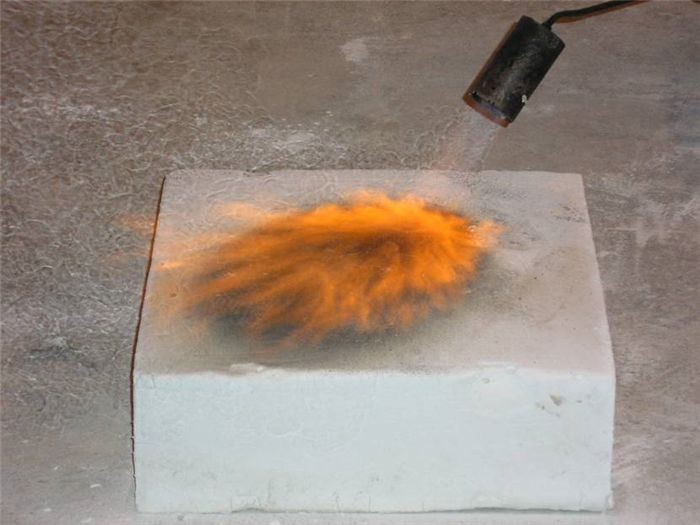
- Fire resistance. This indicator is present by default, since there is nothing to burn in the composition. But prolonged exposure to flame promotes the evaporation of all water (including chemical) from the mixture. And this will lead to loss of strength. Therefore, the composition of special heat-resistant concrete includes alumina cement. As well as fire-resistant fillers.
- Thermal conductivity. This indicator is higher for concrete than for brick. But significantly lower than steel. And this makes the material the most popular for construction.
Without exception, each of the aforementioned parameters is crucial to the construction of every object. beginning on a private plot’s standard walking path. culminating in structures with a specific purpose.
Destructive factors
To protect a concrete section on the street from deterioration, you must research every element affecting the material. The outer coating can only be adequately protected at that point. In the event that damage has already happened, it should also be qualitatively repaired.
Physical factors
The temperature outside is concrete’s biggest enemy. only in a critical sense. The composition completely and for an extended period of time retains all of its properties under normal circumstances. However, frost can have unavoidable effects.

In regions where there is a risk of frost, a porous material that absorbs moisture at room temperature already poses a risk. Liquid that has frozen produces tension that could shatter the structure. Thus, protective measures must be implemented in areas where winter thaws frequently occur.
Concrete should ideally have less porosity when it is being produced. Lower the composition’s water content to achieve this. Alternatively, include unique additives (air-entraining and frost-resistant). However, you can also treat a surface that has already been completed by adding another layer of outdoor concrete coating. It prevents moisture from penetrating the pores.
The surface of the concrete may also develop cracks due to high temperatures. For instance, putting out a fire may cause the binder and filler to rupture. The dimensions of the expanded reinforcement can be restored by adding water to a heated surface. Furthermore, the time it takes for the concrete to return to normal does not match the rate at which the metal is compressing.

Alternatively, the flame will aid in the creation of lime. It also releases steam when heated. It will also happen too quickly if there is a lot of fire. The material will rupture due to the release of condensate.
Crack appearance can also be attributed to normal shrinkage. When the solution solidifies (wets the surface in the summer), it becomes manageable. Additionally, specific plasticizers must be used to counteract hygrometric readings.
Chemical moments
Calcium carbonate is concrete’s biggest enemy. Reinforcement corrodes as a result. The surrounding concrete swells and might even peel off as a result. Furthermore, moisture and oxygen entering the building will only worsen the damage.
Calcium carbonate is produced because

- concentration of carbon dioxide in the air exceeding the norm;
- increased industrial pollution;
- features of concrete operation;
- exposure of the surface to chlorides, sulfates, and alkalis.
Gypsum and anhydrides are examples of natural contaminants that are regarded as the second enemy. Sea salt has the potential to severely harm concrete’s structure. If silica gets into the solution, it can cause damage to outdoor concrete pavement. With time, it becomes a gel. The material bulges, significantly increases in volume, and develops cracks.
Mechanical risks
This includes impact, which can readily erode seam edges and joints. Normal erosion reduces strength. The latter happens when the wind is always blowing. or standard frosting. Fungi and mold can also have an impact on the material’s strength.
However, loads bear a larger portion of the blame for destruction. Furthermore, the upper layers of concrete are likely to sustain damage if weight, which also moves, affects them. When paving a concrete section of a street for a car, this needs to be considered. Car tire spikes are another element that contributes to the increased devastation.

How can you protect concrete from destruction
Taking everything into consideration, we can conclude that while developing the solution, consideration must be given to how the concrete surface will be protected in the future. It is always easier to neutralize the causes when all the variables that will affect the concrete coating are known. or lessen their impact.
Of course, you need to be well-versed in construction science in order to defend yourself in this situation. Still, extensive training is not necessary to enhance the quality of concrete. A very limited knowledge base suffices. For instance, having brand-specific cement options for mortar.
Cement mortar application based on marking:

- M100 is suitable for addition to road surfaces.
- M150 can be used for screeding a concrete floor with subsequent cladding.
- M200 is already widely used in construction and is even used for load-bearing structures.
- M250 is excellent for pouring foundations.
- M350 is needed for the manufacture of load-bearing beams that bear increased load.
- M450 is used in the construction of structures with special requirements.
- M500 is needed for bridges and hydraulic structures.
Portland cement is an additional option that offers superior adhesion. This is a great way to keep concrete safe from street damage. When working at low temperatures during construction, it is a useful tool. However, the most important thing to remember is to only use dry material when selecting cement.
You should then be aware of the primary features of fillers. For instance, you need to use sand with a fraction of a millimeter in order to make an extremely strong mortar. Sifting is required in this instance to remove debris that may eventually compromise the strength. And taking only river sand is preferable.
Crushed stone or gravel are added to the solution to make it better. There is a slight ruse. It is necessary to take filler of various fractions in order to increase the future strength. Furthermore, the mixture must be compacted with extra care when pouring.
Furthermore, despite how insignificant it may seem, all you need for a long-lasting solution is clean water. The liquid doesn’t require any special treatment. Regular drinking water from the faucet is safe to use. Its minimal amount of various impurities is what matters most.
The addition of different additives to the mixture will be the next stage in creating a robust concrete surface. These are essentially various plasticizers that improve the properties of concrete. Anti-freeze additives are also available. However, reinforcement is typically used to protect concrete from being destroyed on a street.
Furthermore, not just metals can be used for this thanks to advancements in technology. PVC fabric and polypropylene materials have been used more frequently recently. Furthermore, keep in mind hydraulic seals, which provide moisture resistance to the surface.
However, concrete walls can also be strengthened and shielded from outside influences if they have been in place for a while. For this reason, outdoor concrete is coated specifically to stop damage. After applying it to the surface, it starts to reflect the forces applied to it.
Preserving antique surfaces can be done in another way. They are impregnated with substances that fortify the concrete’s structure. Specifically, a unique material fills every pore and seeps deep within. This greatly reinforces the structure as a whole.

Weather, moisture, and pollutants are constant threats to outdoor concrete surfaces, which causes a slow degradation. By avoiding damage and preserving the structural integrity of concrete, protective coatings act as vital barriers that increase the material’s longevity. These coatings guarantee that concrete will stay strong and beautiful over time by acting as a barrier against chemical attacks, UV rays, and water intrusion. Homeowners and builders can drastically lower maintenance costs and shield their investments from the elements by using the proper protective coatings.
Creating strong compounds
Let’s talk about how to handle concrete as it is being created to create a composition that is especially resilient to harsh external influences. Most frequently, different plasticizers are added to solutions to either improve or add new properties. However, there are additional methods for building strength.
Plasticizers
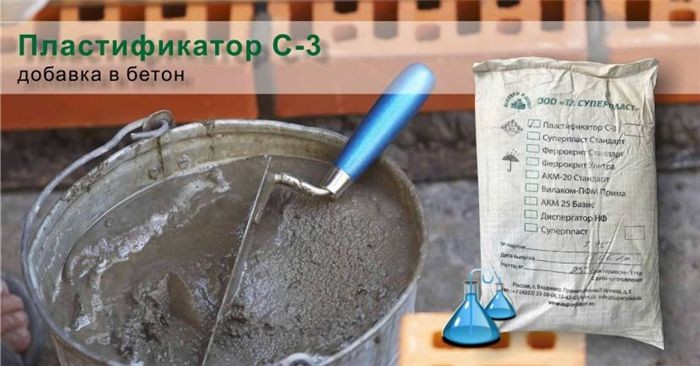
The concrete mortar’s plasticity may be enhanced by this addition. Give it more pliability and mobility. When pouring concrete into molds, these characteristics facilitate the process. However, the material’s density remains entirely unaltered, unlike when water is added to the solution to dilute it.
Additionally, a plasticizer speeds up the compounds’ adhesion to one another. Additionally, it lengthens service life and boosts basic strength. The key point is that there are additives that can strengthen moisture resistance, decrease vapor permeability, and provide frost protection. Additionally, they serve as an enduring protective layer for concrete outdoors.

Popular concrete plasticizer brands:
- RS is added to mortars used for brick or stone masonry. Additive increases adhesion and reduces water loss.
- S-3 gives concrete mobility and increases water resistance and frost resistance. Reduces cement consumption and also reduces the required time spent in the formwork.
- PC-1 reduces the water requirement of the solution and increases its plasticity. Does not contain antifreeze components.
- PC-2 has an order of magnitude better effect on the solution than the previous version. It is also used where concrete must come into contact with drinking water.
- PKL-1 significantly increases strength characteristics. Used for making curbs, paving slabs and piles. Does not contain antifreeze components.
- PCL-2 differs from the previous additive in that much less of it is needed.
- “WINTER” is used in frosts that can drop to -25 °C.
Any plasticizer will hasten the solution’s hardening process. additionally improve the qualities of thermal insulation. Furthermore, concrete’s density remains exactly the same at the given value.
Fiber fiber
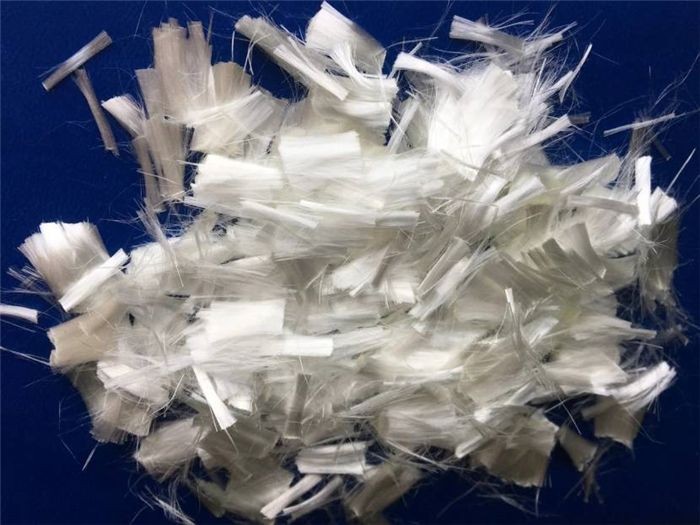
Concrete solutions can benefit from the addition of polymer fibers to improve their properties. and even obtain blends with novel specifications. To begin with, there has been a noticeable boost in strength. Additionally, reservoirs and sea fortifications are built with this type of concrete.
It is now even feasible to obtain antibacterial compounds thanks to recent advancements. In addition, heavy-duty thin concrete is used to cover asphalt. Additionally, olefin fiber-based additives keep concrete from chipping when exposed to fire for extended periods of time. Additionally, all of the acquired properties allowed fiber reinforcement to take the place of traditional metal reinforcement.
This type of concrete can even resist cracks that arise from hygrometric shrinkage. The material is highly resistant to abrasion. It is also more resilient to freeze-thaw cycles than other plants. Although it is slowly taking over Europe, the technology is being used more and more in the USA. Furthermore, this polymer coating for outdoor concrete floors is the best available in terms of quality.
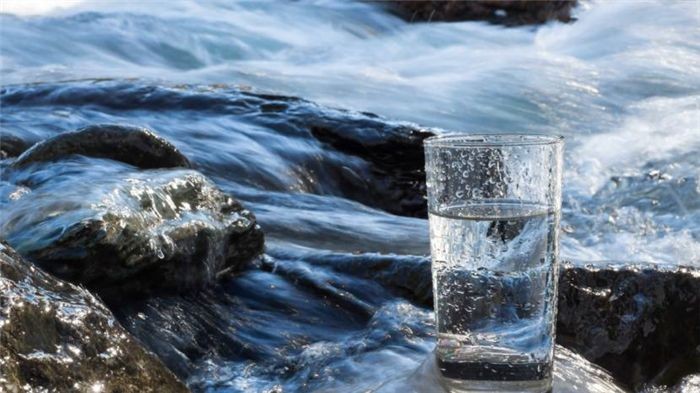
Magnetization of water
Research on liquid has been conducted frequently because it is a crucial component in the creation of a concrete mixture. They made multiple attempts to alter the water. Mostly, it wasn’t a happy ending. However, one of the developments had unanticipated outcomes.
The solution’s strength was increased by an average of 50% when the water was magnetized for mixing. Indeed, seasonality exists. Thus, concrete’s strength only rises by 25% in September. Additionally, there is a chance to increase by a maximum of 5% from May to August. The causes of this phenomenon are still not entirely understood.
The first experiments were carried out in the far-off Soviet era. Furthermore, a certificate attesting to the expansion and fortification of crystallization structures has been issued. And as a result, the cement stone’s strength increased. However, industrial development never happened because the research was never finished.
Other additives
A stronger composition can be achieved in concrete by adding silicon at a rate of 10% of the main cement mass. Additionally, because it strengthens concrete floors’ resistance to acids and water, it can be applied as an outdoor coating. An increase in the outside temperature is better tolerated by such a solution.
Foam concrete is made easier by the addition of calcium chloride. The material greatly quickens the hardening process. And doing so not only shortens the manufacturing process but also makes it possible to use less cement. And without a single loss of power.
Hydromix. This is the name of the water-repellent additive that is added to the street’s concrete coating to increase water resistance and decrease absorption of water. The additive is applied to buildings that are under groundwater pressure. in addition to rainwater and sewage flows under load.
Impregnations
Everywhere you look, concrete is positioned as a material that doesn’t fear water. Liquid is actually its worst enemy. A concrete structure is vulnerable to water damage from the soil below and the atmosphere above. Additionally, because the structure is porous, entry is extremely simple.
In the first instance, the influence of different salts causes surface cracks and even tears the plaster away from the base. Rainwater poses a risk even when it doesn’t freeze within pores. Everything that entered the atmosphere as a result of industrial emissions is captured by it. Additionally, the rain flow becomes an acidic solution due to a variety of gases.
As a result, using different primers once the concrete structure has solidified won’t be unnecessary. Furthermore, impregnation is the best way to shield concrete from moisture. Liquid glass and drying oil are regarded as simpler. They merely seal the pores tightly, preventing any water from entering.
However, a vast array of professional primers with numerous distinct properties is also available. And the best is thought to be an impregnation based on organic silicon that is hydrophobic. Such a liquid is unique in that it can produce a thin layer of water-resisting material inside the pores instead of closing them. Moreover, the insulating qualities are preserved because the voids are still present.
Sheet and roll materials
Naturally, if this protection is usable, it is beneficial. The concrete structure must be closed, particularly in areas where there is a noticeable seasonal temperature difference. Long-lasting sheet and roll insulation can even serve as a concrete finishing coat in certain situations.
Membranes
Overlapping polyvinyl chloride sheets are placed on concrete, and a gas torch is used to fuse them together. The end product is a very strong surface that is not resistant to motor oil or grease. Rubber-based membranes are more effective at warding off harmful forces.
The benefit of this kind of protection is that it can quickly cover big areas. Furthermore, flexibility is beneficial in areas with surface reliefs. The fact that the sheets must be vulcanized together is the lone drawback.
Bitumen sheets
The application of fiberglass fabrics provides effective atmospheric influence protection for concrete. Fiberglass is another option. but more brittle and only meant to be a band-aid solution. And sprinkle-topped sheets rank among the best.

The qualities of fiberglass fabric can last a very long time. among which fire resistance and water repellency are prized. Additionally, the material can easily tolerate physical stress and is resistant to chemical influences.
Ruberoid
Serves to shield concrete from budget cuts. However, this doesn’t make it any less excellent than the others. The material installation is the only challenge. There must be two layers at the very least. To seal the seams at the first, the subsequent one also needs to be moved. Additionally, installation is done on hot bitumen for full insulation.
Application of protective coatings
Most formulations are typically used in conjunction with additional measures. However, they are frequently used to finish concrete surfaces. They’re all very effective at repelling water.
Mastics
Bitumen and polymer are the two types. utilized most frequently in combination with roll materials. There are two methods for applying bitumen mastic: cold and hot. Bitumen fragments are dissolved in a particular liquid in the first instance until the required consistency is reached. Second, burned and liquefied.

Although bitumen sticks to concrete flawlessly, it has several drawbacks. Because the material spreads when exposed to direct sunlight, it cannot be used in areas with high temperatures. It is not advised to use it alone because of this. Furthermore, installing roofing felt and taking the time to do so takes a very long time.
For outdoor concrete, polymer coating offers superior performance attributes. Changes in temperature have no effect on it at all. The composition can be used as a finishing layer and is quick to prepare for use.
Liquid waterproofing agents
Regarding the polyurethane solution, it ought to be discussed individually. It fits into the primer category. However, polyurethane can easily take the place of mastic if any of the primers cannot be used as a complete waterproofing solution. Experts advise employing this particular solution for external waterproofing.
In addition to all of the above, the composition impregnates the street, strengthening the concrete. Dust is also entirely eliminated from the surface.
However, there are drawbacks as well:

- To work, you only need warm weather (from +18 °C).
- It is necessary to wait until the concrete has completely set.
- Requires two coats.
The requirement to combine two liquids in order to prepare the solution is another thing that annoys some people. Moreover, precise proportions must be maintained.
Rubber
The liquid has two components in its composition. It sticks to concrete flawlessly and prevents liquid droplets from getting through. Applied by pouring or spraying, it can serve as a topcoat. Only experts use it because of the difficult preparation process and requirement for sophisticated equipment.
Fur coat on concrete walls
This technique is applied when it’s required to waterproof the walls in addition to giving them a lovely appearance. Furthermore, the technique’s origins date back thousands of years, making it extremely old. However, there is still a market for it today.
Fur coats were traditionally made with regular cement-sand mortar, until quite recently. However, technology is also present here. Additionally, polymer additives found in contemporary concrete protective coatings enhance all of the material’s qualities.
There are two ways to purchase the blend. Buckets of ready-diluted solution and bags of dry powder. The plaster’s resemblance to fur from a fur coat gave rise to its name. She pounces on the wall instead of rubbing herself against it, after all. Additionally, it creates a rough surface as it hardens.
Application area for fur coat:
- Building facades.
- Internal room partitions.
- Fences and barriers on the streets.
- Decoration of columns and bas-reliefs.
Such plaster is much easier to work with thanks to technology. The addition of synthetic polymers to the mixture improved the coating’s protective qualities as well. They gave the mixture pliability and tenderness. The best are regarded as ready-made mixtures with tiny pebbles in them. As a result, they roughen the surface.

The technique offers a lot of benefits.
- The cost is most acceptable compared to most formulations.
- Additional thermal insulation of the room is carried out, as well as noise reduction.
- Ready-made compounds made using modern technologies allow even a beginner to cope with them.
- Attractive roughness can be painted in any color.
- If for some reason part of the plaster becomes unusable, it is very easy to restore.
- In addition, the surface has the ability to “breathe”. And this helps create a healthy indoor microclimate.
- The wall in a fur coat is not afraid of moisture, sunlight and is resistant to winds.
- The coating has a low specific gravity, and this is gentle on the foundation.
- The fur coat has no seams or joints. Therefore, moisture cannot accumulate on the surface and it does not allow cold to enter.
It’s true that there are serious flaws. There are only two of them if we do not argue that the approach is too morally antiquated. Dirt builds up on the surface of the wall quickly. Furthermore, the coating’s service life is not long-lasting.

Painting concrete
The simplest approach that simultaneously resolves at least two issues is this one. gives the concrete surface an appealing appearance while shielding it from the elements. Furthermore, this is a quick and incredibly affordable way to change the surface.
The following are some benefits of painting concrete:
- Periodic possibility of color change.
- Creating a water-repellent surface.
- Possibility of wet cleaning, since dirt stops being absorbed.
Poor resistance to abrasion is a drawback. It is true that the caliber of the work corrects the latter. The paints and varnishes used will also have an impact on this factor.
stain
Different from what is used for wood, concrete requires a specific composition. However, they serve similar purposes. The pores in the structure of concrete are filled with stain. It has the ability to alter the surface’s appearance as well. Give it a marble or rock-like appearance.
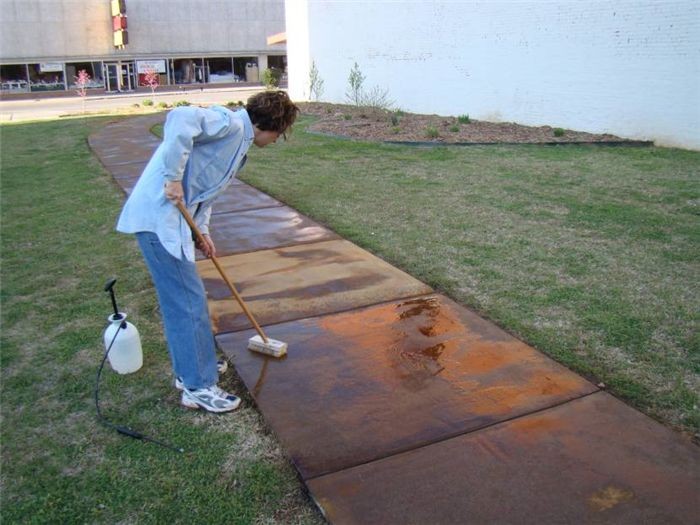
The liquid solution may have vivid colors or be translucent. Deeply ingrained in the concrete, the stain not only adds color but also fortifies the structure and produces a dirt- and water-resistant surface. But you have to apply the solution in two or three layers to get a high-quality film.
The mixture can function as a stand-alone final coat. However, you can also paint it with any paint that has a higher density. In this instance, the concrete is stained only once.
Rubber paint
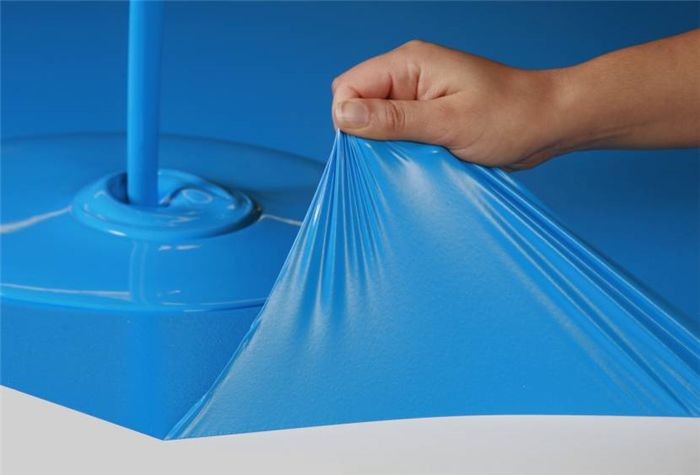
On outdoor concrete floors, a unique composition produces an elastic coating that is resistant to the majority of harmful influences. For instance, compared to paint treated with conventional paint, it can bear heavy loads and impacts with greater ease and lasts much longer.
Owing to these advantageous characteristics, the mixture is applied to garage floors and high-traffic pedestrian areas. Furthermore, the outer layer has a minimum 10-year service life. Additionally, pedestrians are assisted by its elasticity. Walking requires less effort and the foot receives an increase in propulsion.
Epoxy and acrylic compounds
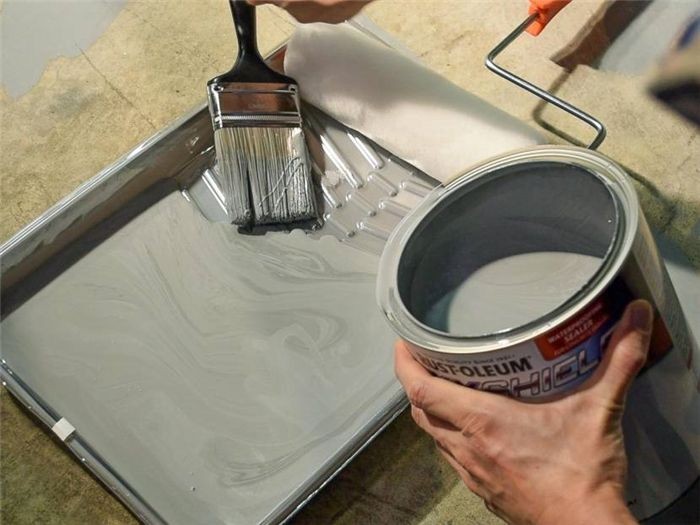
Since these paints have a lot of the same qualities, they can be used together. Any of them may remain visible for a maximum of five years. The mixtures produce an elastic layer on the concrete that is resistant to water and sunlight.
Their inability to penetrate deeply into the concrete structure is their lone disadvantage. They must therefore be applied to the surface at least twice in order to produce a high-quality film. However, it is best to apply them following the application of a paint-compatible primer to the concrete. Subsequently, the outer layer becomes noticeably stronger.
Polyurethane varnishes
Varnishes with a polyurethane base offer exceptional weather resistance. Furthermore, the concrete’s surface undergoes a significant change. Varnishes can become either noble matte or perfectly glossy, depending on the type.
Concrete polyurethane varnishes offer a number of good benefits.
- Create a film that completely repels water.
- Increases the strength of the outer layer of concrete.
- Strengthens the internal structure.
- Resists friction.
- Increases frost resistance.
- Protects against corrosion.
- Resists a variety of oils.
- Create an attractive surface.
Polyurethane compounds contribute to the long-term preservation of all the characteristics of concrete. They are simple to use, and you don’t need to hire experts to process the path on the street.
| Type of Coating | Benefits |
| Epoxy Coating | Provides strong resistance to chemicals and weathering, ideal for heavy traffic areas |
| Polyurethane Coating | Flexible and UV resistant, good for protecting against cracking and fading |
| Acrylic Coating | Easy to apply and cost-effective, offers good protection against moisture and mild wear |
| Silane/Siloxane Sealer | Penetrates deeply to provide long-lasting protection against water and salt damage |
| Concrete Stain | Enhances the appearance while providing a protective barrier against stains and weather |
For concrete structures exposed to the elements to remain long-lasting and aesthetically pleasing, protective coatings must be applied. Concrete is susceptible to several harmful elements, including moisture, freeze-thaw cycles, and chemical exposure, in the absence of these coatings. These substances have the potential to severely deteriorate concrete over time, necessitating expensive repairs and compromising the structure’s integrity.
Protective coatings come in a variety of forms, each intended to tackle a particular threat. While anti-corrosion coatings keep reinforced concrete from rusting, sealants and waterproof coatings stop water from penetrating. Furthermore, UV-resistant coatings guard against sun damage, preserving the concrete surface’s strength and beauty.
The specific environmental conditions that the concrete will encounter must be taken into account when selecting the appropriate protective coating. It’s critical to evaluate elements like the environment, the existence of chemicals, and the kind of wear and tear the surface will experience. You can greatly increase the lifespan of your concrete structures by carefully choosing and applying the right coating.
In conclusion, anyone wishing to maintain their outdoor concrete surfaces would be wise to invest in high-quality protective coatings. These finishes offer a strong barrier against the weather, guaranteeing that your concrete will stay durable and appealing for many years to come. Any property owner should consider investing in regular maintenance and timely application of these protective layers as they can prevent costly repairs.


