
Throughout the world, bricks are a basic building material used in construction. Their strength, resilience, and visual allure make them a well-liked option for a variety of constructions, including residential and commercial buildings. But not all bricks are made equally, and their density is one of the main variables that can vary greatly.
A brick’s weight, strength, thermal characteristics, and behavior under various circumstances are all influenced by its density. It is essential for anyone working in the construction industry to comprehend these distinctions. If you’re a professional builder or a homeowner thinking about doing it yourself, understanding the density of various brick types will help you choose the right materials for your projects.
Bricks come in a variety of forms, each with special qualities. Among the common types are firebricks, concrete bricks, and clay bricks. The density range of each type determines where and how it should be used. For load-bearing walls, for example, higher-density bricks are typically preferred; lower-density bricks may be used for insulation or non-load-bearing walls.
This post will discuss the densities of various brick kinds, how they are determined, and the implications for your building projects. By being aware of these factors, you can choose the ideal brick for your project, increasing the build’s longevity and effectiveness.
For construction projects, knowing the density of various brick types is essential because it has a direct impact on the durability, strength, and insulation of buildings. The different densities of common brick types—such as clay, concrete, and engineering bricks—are examined in this article along with how these variations affect the types of bricks that are suitable for different types of construction applications. Builders can ensure cost-effectiveness and sustainability in their projects while optimizing structural integrity and energy efficiency by selecting the appropriate brick density.
- Clay brick
- Silicate brick
- Clinker brick
- Private brick
- Video on the topic
- Determination of the true density of building materials
- Brick, its types, formats, purpose. Why do you need which brick?.
- How to choose the right brick? What does someone who started construction need to know?? Lecture 10.
- What is fireclay brick, its types and where is it used??
- Building materials: brick. Main parameters. Pros and cons of brick.
- Density of solid ceramic brick
- Ceramic facade materials (FACING BRICKS) // types of bricks, UNITS, properties
- BUILDING BRICK. TYPES, PROPERTIES, BRANDS OF BRICK
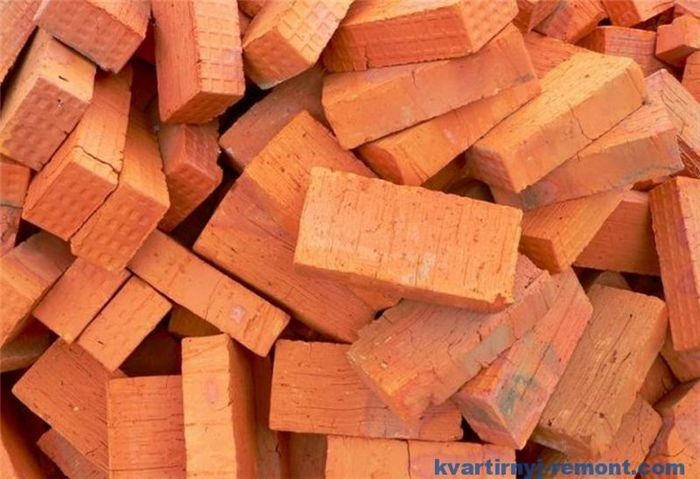
Clay brick
Silicate brick
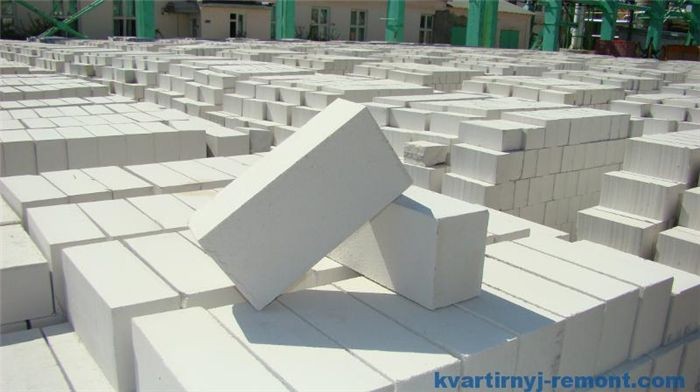
A heavier and more delicate version of clay brick is made from a mixture of quartz sand and lime. The finished walls are subject to extremes in temperature and moisture due to the plasticizers added to the silicate bricks and high sand content. Silicate bricks without voids have a density of up to 1600 kg/m3, while complete silicate bricks have a density of up to 1950 kg/m3.
Clinker brick
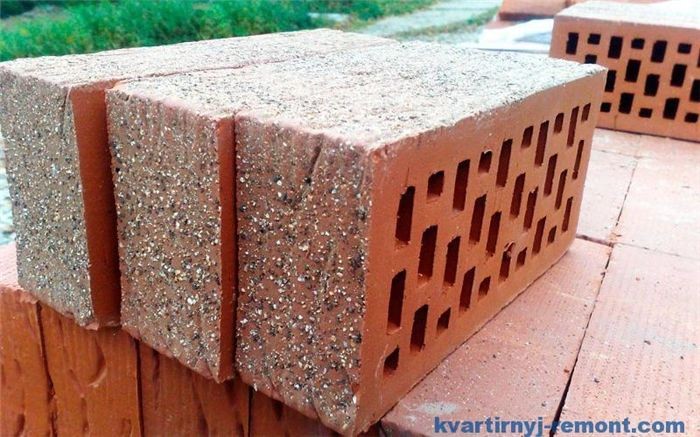
Constructed using a combination of chamotte (refractory clay), a field spar, and natural plasticizers, the facing and construction are durable and fireproof. By firing raw clinker bricks at a temperature of 1200 degrees, a material with a maximum porosity of 5% can be produced that is incredibly wear-resistant.
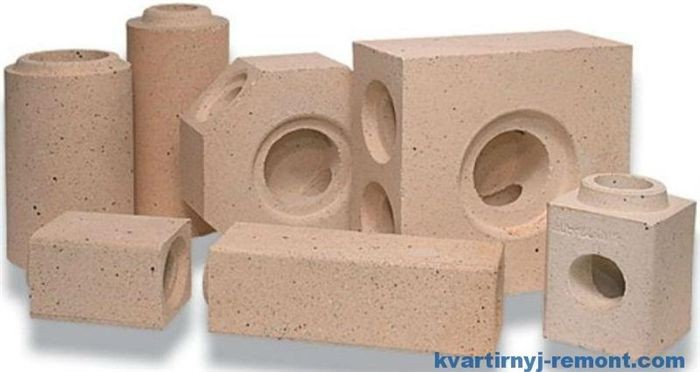
This kind of brick is made from kaolin, a fire-resistant clay, which is fired until all of the composition’s moisture and plasticity are gone. Because prefabricated bricks can endure temperatures as high as 1600 degrees, they are frequently used to adorn fireplaces, chimneys, and stoves.
The density range in which fireclay bricks are produced is between 1700 and 1900 kg/m3, contingent upon the intended use. Bricks in the shapes of arches, rectangles, wedges, and trapezoids are readily available for purchase because the material is frequently used to finish decorative elements.
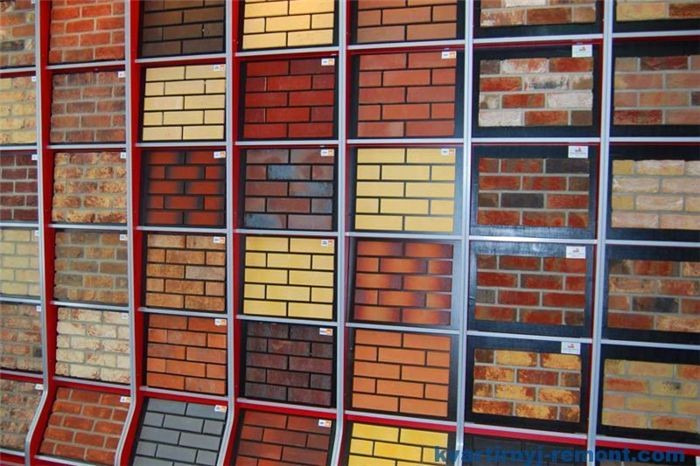
Extensively employed to improve the aesthetic appeal and thermal insulation of buildings. Facing bricks are typically hollowed out to reduce weight. Frost-resistant, even, and smooth material is required; prefabricated cladding comes in a variety of sizes and shapes.
Counseling! The contemporary market is replete with glazed facing bricks, which let you build a glossy facade.
The wide range of clay compositions and firing techniques allow for a wide range of color representation in the products. The completed facing brick has a porosity of 14% and a density of 1300–1450 kg/m3, allowing for a robust layer of heat insulation.
Private brick
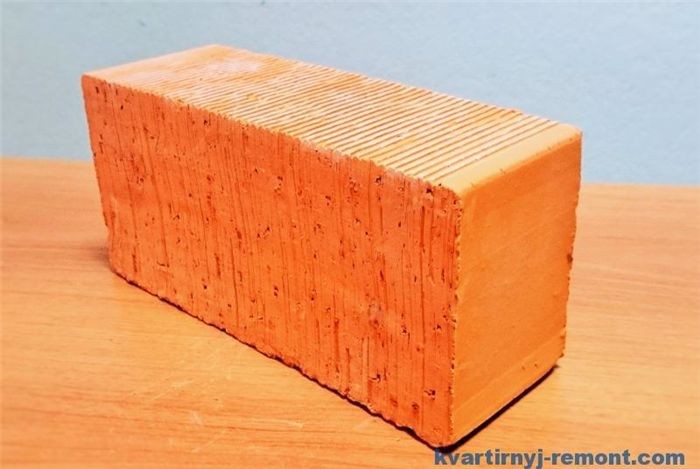
A more sophisticated kind of clay brick with a porous exterior that makes it easy to apply finishing materials, like plaster mixtures. There are three primary sizes that are differentiated based on the purpose:
- A single brick dimensions of 250x120x65 mm is used to build internal partitions, basement and foundations.
- The one-and-a-half modification has dimensions of 250x120x88 mm, and is used for the construction of load-bearing walls in low-rise buildings.
- Double brick has dimensions of 250x120x138 mm, and is suitable for creating load-bearing walls and ceilings with a high level of load.
Counseling! The finished wall’s ability to withstand heat will be improved by using dimensional bricks to help minimize seams.
The material’s density, regardless of size, is 1600 kg/m3, whereas voids in hollow ordinary brick can range from 15 to 45 percent. These bricks vary in weight from 4 kg (solid modifications) to 2.5 kg (ordinary hollow bricks).
| Brick Type | Density (kg/m³) |
| Common Brick | 1600-1900 |
| Engineering Brick | 1900-2100 |
| Facing Brick | 1700-1900 |
| Fire Brick | 2000-2200 |
| Lightweight Brick | 1200-1400 |
Making wise choices during building projects requires an understanding of the densities of various brick kinds. Dense bricks are perfect for load-bearing structures because they are strong and long-lasting. Less dense bricks, on the other hand, are lighter and offer superior insulation, which is advantageous for energy efficiency and non-load-bearing walls.
The medium density of clay bricks, which are widely used in building projects, strikes a balance between strength and insulation. Bricks made of concrete are more robust and dense, making them ideal for heavy-duty uses. In the meantime, lightweight bricks with improved thermal qualities, like aerated or hollow bricks, are great for lowering a building’s overall weight.
Selecting the appropriate brick type requires taking your project’s unique requirements into account. Denser bricks are preferred for structural stability. Lighter bricks might be the better choice in terms of handling convenience and thermal efficiency. By being aware of the characteristics of each kind of brick, you can make sure that your building project is effective and durable.
In the end, a building’s brick density has an impact on construction costs, long-term upkeep, and overall performance. A long-lasting, economical, and energy-efficient structure can be achieved by striking a balance between these factors.


