
A crucial first step in guaranteeing the longevity and energy efficiency of your house is insulating a columnar foundation. This kind of foundation, which is frequently utilized in buildings with lightweight constructions, needs extra care to stop moisture issues and heat loss. An even interior temperature, lower energy costs, and the preservation of your home’s structural integrity can all be achieved with proper insulation.
Preventing the infiltration of cold air into your living area is one of the primary advantages of insulating a columnar foundation. You can keep your house warmer in the winter and greatly minimize drafts by erecting a barrier between the ground and the foundation. Furthermore, this insulation aids in preventing condensation, which can result in the growth of mold and other problems related to moisture.
There are numerous options for insulating a columnar foundation, including materials and techniques. Every option has pros and cons of its own, so it’s critical to select the best one for your particular requirements. Common materials with varying degrees of thermal resistance and ease of installation are fiberglass batts, spray foam, and rigid foam boards.
When organizing your insulation project, it’s also critical to take the local climate and soil conditions into account. For instance, a higher R-value insulation might be required in colder climates to effectively combat the lower temperatures. However, moisture-resistant materials need to be given priority in high-humidity areas in order to prevent potential water damage.
Knowing the fundamentals of insulating a columnar foundation will help you make decisions that will improve your home’s longevity and comfort. You can make your living space more resilient and energy-efficient with the appropriate approach.
- Why and why is it necessary?
- Indoor and outdoor – various installation options
- Materials for work
- Styrofoam
- Penoplex
- Polyurethane foam
- Mineral wool
- Expanded clay
- How to insulate with your own hands?
- Pickup device
- Features of working with foam plastic
- Features of penoplex insulation
- Thermal insulation with polyurethane foam
- Possible mistakes
- Video on the topic
- How to protect the FOUNDATION from frost heaving on a budget / foundation insulation / foundation for a veranda
- How to insulate a columnar foundation?
- How to insulate a columnar foundation over a wooden sheathing
- Insulation of a pile foundation.
Why and why is it necessary?
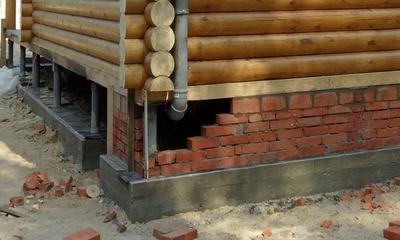
A columnar foundation needs to be insulated for two reasons:
- protection of the foundation from thermodynamic damage;
- reduction of overall heat loss of the building.
The soil beneath the house will freeze if you don’t insulate the subterranean area.
Even during the worst frosts, the ground temperature in a protected basement never falls below 0°C.
Because the soil does not swell during seasonal temperature changes and the columns do not "walk," this not only improves the house’s energy efficiency but also preserves the foundation’s correct design.
Citation! Insulation slows the growth of rot and mold by preventing condensation from forming on ceilings and subterranean structures.
For homeowners who have installed a water supply in their basement, insulation is especially crucial. The system will defrost in below-freezing temperatures if the columnar foundation is not adequately insulated.
Among other things, the gaps between the supports make it clear how incomplete the base is as soon as the house frame construction starts. Equipment for collection is also needed for this.
Indoor and outdoor – various installation options
There are several benefits to installing thermal insulation from the outside:
- external thermal insulation will preserve the strength characteristics of concrete;
- regardless of the type of insulation, the cold will not penetrate into the basement and the building itself;
- external thermal insulation prevents the penetration of groundwater, helps waterproofing in protecting pillars from moisture, including condensation;
- the foundation, insulated from the outside, will be protected from humidity and temperature changes.

Since thermal insulation will have more drawbacks than benefits in this scenario, internal installation is a less common choice.
Thermal insulation inside the basement, if the house has one, will stop condensation from forming and create a cozy microclimate.
More significant drawbacks include the fact that the foundation portion’s exterior will be helpless against freezing temperatures. Variations in temperature induce soil heaving, resulting in base damage and deformation.
Materials for work
Materials for thermal insulation come in a variety of forms. The thermal conductivity, density, flammability, water resistance, and price of each vary.
Styrofoam
Masses of foamed plastic make up foam plastic. Properties of foam:
- Coefficient of thermal conductivity. Polystyrene foam has very low thermal conductivity. It can be used at temperatures from -50 to +75 degrees.
- Vapor permeability, water absorption, humidity. Even when completely immersed in water, the foam absorbs an extremely small amount of it. Therefore, this insulation is excellent for thermal insulation of foundations.
- Fire resistance. Polystyrene foam belongs to flammability class 3-4. The spontaneous combustion temperature is +491°C. These characteristics are 1.8 times higher than wood (+260°C) and 2.1 times higher than paper (+230°C).
- Resistance to adverse factors. Polystyrene foam is not affected by bacteria and other pathogens. But it is susceptible to destruction by rodents and termites. Direct UV rays, some types of varnishes and solvents (for example, acetone, benzene) also have a negative effect on foam.
- Strength and Density. With a sufficiently low density, the foam has fairly high compressive and tensile strength.
- Environmental Safety. Foam plastic is a neutral material. During operation, it does not emit poisoning and toxic substances that harm human health.
- Price about 100 rub. for 1 sq. m.
Take note! Because polystyrene foam has a low density and cannot withstand high mechanical loads, it is better suited for internal insulation in bathhouse columnar foundations. However, because it is inexpensive, a lot of builders utilize this material for external thermal insulation.
Penoplex
Extruded polystyrene foam, or foam, is what Penoplex is. characteristics of penoplex

- Coefficient of thermal conductivity. Small compared to many other materials. Its value is 0.03 W*m*0С. This is higher than that of polystyrene foam, but 9 times lower than, for example, Rockwool mineral wool. Temperature range for normal operation from -100 to +75 degrees.
- Water absorption, humidity. Water absorption is minimal. Moisture can penetrate only into the outer cells of the penoplex, which were damaged when cutting the insulation. The water cannot get inside the closed cells.
- Vapor permeability – low. The material is characterized by increased resistance to moisture evaporation. A layer of slabs made of this insulation 2 cm thick is equal to a layer of roofing felt.
- Fire resistance. Penoplex is a non-flammable material if the combustion process is natural and active. But this material is capable of melting under high temperatures.
- Resistance to adverse factors. Penoplex is not subject to rotting and decomposition, and mold fungi do not develop in it. This indicates the high biostability of the insulation. Rodents don’t eat it either, but use it for their nests.
- Strength and Density. Very resistant to compression. Evenly distributed cells improve the strength characteristics of the material.
- Environmental Safety. Environmental friendliness – at a high level. Chemical activity – almost zero.
- Price about 300 rub. for 1 sq. m.
Citation! One advantage of the foam is that it can be used to warm the foundations without the need for an extra moisture-proof layer because it essentially doesn’t absorb water. It is also simple to use and long-lasting insulation. For columnar foundations, the cost and quality of this material are ideal.
Polyurethane foam
One kind of plastic that has foamed is polyurethane foam.Features of foam made of polyurethane:

- Coefficient of thermal conductivity. Thermal conductivity is second only to aerogels. On average, the coefficient is 0.028 W/(m*degC).
- Water absorption, humidity. Moisture permeability no more than 1%. This foam retains more moisture than EPS, but less than other thermal insulators.
- Fire resistance. Fire hazard degree from G1 to G4. Depends on the use of fire-resistant impregnations. It is important to know that impregnations reduce the energy efficiency and service life of the material.
- Resistance to adverse factors. Sufficiently resistant to chemicals, in particular solvents, acids, alkalis. Rodents do not eat foam, but they can nest. Insulation is resistant to mold formation. Polyurethane foam requires protection from UV radiation; it is not recommended to keep it without shelter for more than 4 days.
- Strength and Density. Compressive strength up to 120 – 150 kPa. Identical to medium density foam brands. Density is about 30kg/m3.
- Environmental Safety. The material is safe and non-toxic. After applying polyurethane foam, no harmful substances are detected in the room.
- Price 429 – 450 rub. for 1 sq. m.
Polyurethane foam is distinguished by its high strength, low water absorption, ease of application, and speed of application.
Even in wet soil, it keeps its characteristics. It can be applied to the perimeter of the building as well as the foundation to provide thermal insulation. suitable for all kinds of wooden and brick buildings. more expensive than other forms of insulation.
Mineral wool
Mineral wool is a loose material made of fibers woven at random. Material characteristics:
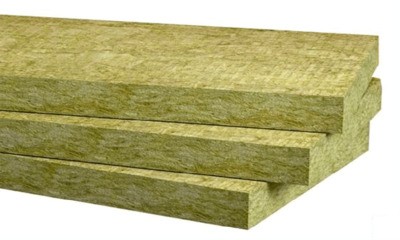
- Coefficient of thermal conductivity equal to 0.048 W/(m*S).
- Vapor permeability. Cotton wool allows air and steam to pass through well. Free steam and air exchange occurs, which prevents the formation of condensation and mold.
- Water absorption, humidity. It tends to absorb moisture, so it requires the addition of a waterproofing layer.
- Fire resistance. Absolutely non-flammable and fireproof. Not exposed to open flames. This is especially important for wooden buildings.
- Resistance to adverse factors. Not subject to temperature changes. Cotton wool is made on a synthetic basis – it is not afraid of rodents, fungi, or other microorganisms.
- Strength and Density. Not subject to shrinkage and deformation even after many years of use.
- Environmental Safety. Mineral wool contains phenol formaldehyde. But when the manufacturer follows the production rules, no harmful substances are released, or they are released in a minimal amount that is not capable of causing harm to health. However, the instructions indicate recommendations for working with this material (glasses, respirators, closed clothing).
- Price depends on the number of sheets in the package and the type of mineral wool. The material is included in the average price category of insulation.
Take note! Because mineral wool dislikes moisture, it needs to be protected from it with additional materials. It takes a lot of work to install. The most common application for it is internal floor insulation in homes with columnar foundations.
Expanded clay
Fired clay produces expanded clay, a lightweight porous substance. Material characteristics:

- Coefficient of thermal conductivity. The indicator varies from 0.14 to 0.92 W/m*S.
- Water absorption, humidity. The coefficient compared to other insulation materials is quite low – about 15%.
- Vapor permeability. The structure is protected from excess moisture, t.To. the material is vapor permeable. The indicators are 0.09–0.3 mg/(m*h*Pa) depending on the amount of expanded clay in the blocks.
- Resistance to temperature fluctuations, fire resistance. The material is resistant to open fire and temperature changes. Melting point in the range of 1200-1250°C, less often – 1300°C. Frost resistance of at least 25 cycles.
- Resistance to adverse factors. Not susceptible to mold and rot. Rodents, insects and other pests also do not show interest in expanded clay.
- Strength and Density. Density on average from 500 kg/m3 to 1800 kg/m3. Expanded clay does not change properties over time, retains its original characteristics if backfilling was carried out according to the rules. Environmental Safety. This is a completely natural material, which ensures safety for the soil and foundation. Does not react with anything and does not emit harmful substances.
- Price within 150 RUR. for 20 kg.
An affordable natural insulating material is expanded clay. Although it is more frequently used for floor insulation, it can also be used to prevent strip foundations from freezing.
It is crucial to understand that when filling, expanded clay needs to be dry. Expanded clay is rarely or never used for insulation of columnar foundations because of its low thermal conductivity and installation inconvenience.
How to insulate with your own hands?
The same technology is used to insulate the support-column foundation of buildings made of brick and wood. Following the work algorithm and considering the material requirements are crucial.
Pickup device
The basement space is insulated and shielded from dust and precipitation by the fence, which is a wall situated in between the foundation supports.
Because of its complete insulation, the building has no drafts, a healthy microclimate, and low humidity.
Detailed instructions:
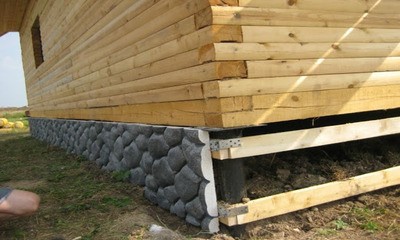
- Between the supports you need to dig holes 20 – 40 cm deep.
- Make a gravel-sand cushion – fill 1/3 of the gravel and sand into the holes.
- Then construct a sheathing from the bars:
- with the vertical type of fastening of the bars, one part is fixed in the pit, and the other in the lower part of the building;
- with horizontal fastening, the bars are attached directly to the posts;
- You need to insert boards into the grooves of the bars (their thickness is 4 – 6 cm) and secure them carefully.
- After this, you can proceed to arranging thermal insulation.
Features of working with foam plastic
Using polystyrene foam is fairly easy:
- first you need to clean the surface of the insulation from debris and construction dust;
- then remove the unevenness and seal the existing cracks;
- the insulation must be fastened from the bottom up;
- glue must be applied to the slabs;
- then glue the slabs to the sheathing and secure with plastic dowels;
- then install the reinforcing mesh and putty;
- apply facade plaster.
Features of penoplex insulation
Additionally, installation is simple:
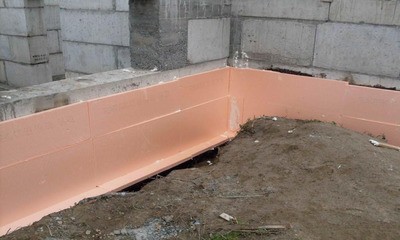
- apply a special adhesive mastic to the entire surface: from the sole to the grillage;
- Press the slabs against the wall to the zero level;
- between the zero level and the grillage, secure the penoplex with umbrella dowels;
- to secure heat-resistant dowels, drill holes in the base;
- the panels are joined groove to groove – check the seams; to be sure, insulate them with polyurethane foam.
Thermal insulation with polyurethane foam
If you rent a blowing machine, you can complete the following tasks on your own:
- clean the entire foundation from dust particles, debris, traces of soil;
- apply foam to the base – it will fill all the cracks, voids, air pockets and irregularities.
The foam sticks very well. The substance solidifies on surfaces rapidly, creating a synthetic plate with exceptional strength.
Citation! Moisture does not seep into polyurethane foam. It is advised by experts to apply waterproofing, such as polyurea or liquid rubber, on top of the insulation layer. These materials are water-repellent.
It is not going to be feasible to manually foam the foundation entirely. You’ll need to get in touch with company experts if the car doesn’t work.
Possible mistakes

The columnar foundation closes in after the fence is constructed. Vents must be installed if they are not planned for beforehand, which will cause the installed structure to be disrupted.
Selecting dry insulation is crucial, particularly for materials that are more permeable (like expanded clay or mineral wool). If not, moisture will seep into the insulation even more quickly, necessitating replacement.
Controlling insects and rodents is important. Although the majority of contemporary materials are not appealing to living things, they work great for nests. In addition to careful insulation that prevents access, special measures and equipment will aid in the battle against this scourge.
Take note! It is preferable to apply fire-fighting and antifungal impregnations to the materials next to the insulation before installation. This will shield against potential rot and fire.
| Topic | Description |
| What is a Columnar Foundation? | A columnar foundation is a type of foundation where concrete or masonry columns are placed at intervals to support the building"s weight. |
| Why Insulate a Columnar Foundation? | Insulating a columnar foundation helps to prevent heat loss, protect against moisture, and improve overall energy efficiency. |
| Types of Insulation | Common insulation materials include foam boards, spray foam, and fiberglass. Each has its own advantages and is chosen based on the specific needs of the foundation. |
| Preparation Steps | Before insulating, clean the area around the columns, check for any moisture issues, and repair any damage to ensure a proper seal. |
| Installation Process | Cut insulation to fit around the columns, secure it with adhesive or fasteners, and seal any gaps to prevent air and moisture infiltration. |
| Maintenance Tips | Regularly inspect the insulation for damage, ensure there are no gaps or cracks, and address any moisture problems to maintain effectiveness. |
| Common Issues | Watch for issues like improper installation, moisture damage, and wear over time, which can affect the insulation"s performance. |
A columnar foundation requires insulation in order to keep your home efficient and structurally sound. In addition to lowering energy costs and shielding the foundation from moisture and temperature changes, proper insulation helps prevent heat loss. You can make choices for your home that will ultimately benefit from knowing the different types of insulation materials and how they are used.
Selecting the appropriate materials is one of the most important steps in insulating a columnar foundation. Depending on your needs and budget, options like fiberglass, spray foam, and rigid foam boards can all be useful. Every material has benefits and drawbacks, so it’s critical to weigh aspects like cost, ease of installation, and durability.
The efficiency of your foundation insulation is also significantly influenced by the methods used during installation. Whether you decide to do it yourself or hire a pro, making sure the insulation is installed correctly can have a big impact. To get the most out of the insulation, be sure to cover all exposed areas and seal any gaps.
Finally, keep in mind that maintaining your insulation will help it last longer. You may help prevent problems like moisture buildup and mold growth by having routine inspections and timely repairs. You can make your home more comfortable and energy-efficient by maintaining and well-insulating your foundation.
It is crucial to insulate a columnar foundation in order to stop heat loss, lower energy expenses, and shield the building from moisture damage. This post will walk you through the essential procedures and supplies required for efficient insulation, protecting your home’s warmth and dryness while maintaining the strength of your foundation. Whether you’re using spray foam, foam boards, or other forms of insulation, we’ll offer helpful guidance to help you decide wisely and get the best results.


