
Do you dream of a thick, emerald carpet in front of your house, but feel that growing the perfect lawn is a complicated science? In fact, it's easier than you think. The main thing is to know a few key rules and avoid the common mistakes that many beginners make.
This article is your practical guide. We have compiled 13 proven tips that will guide you from the very beginning — choosing seeds and preparing the soil — to the secrets of proper watering and mowing. You will learn how to lay the foundation for a healthy lawn that will delight you for many years to come.
It doesn't matter if you're starting from scratch or want to tidy up an existing area. By following these simple steps, you can create that cozy lawn with your own hands, where it's so pleasant to relax on a summer evening.
- 1. Choose seeds based on the climatic characteristics of your region
- 2. Calculate the number of seeds correctly.
- 3. Get rid of weeds
- 4. Make the soil fertile
- 5. Compact the soil
- 6. When sowing, take into account the characteristics of the season.
- 7. Sow grass seed evenly
- 8. Water your lawn frequently
- 9. Apply fertilizer in a timely manner
- 10. Let the soil “breathe”
- 11. do not mow the grass “to zero”
- 12. Use concentric mowing
1. Choose seeds based on the climatic characteristics of your region
Pay attention not only to the type of lawn (sports, parterre, Moorish), but also to the resistance of the grass to the climatic conditions of your region. For example, some planting materials from Europe do not tolerate frost and sudden temperature changes well.
InMyRoom tip: the best grasses for lawns in Russia are meadow fescue, red fescue, and fine fescue.
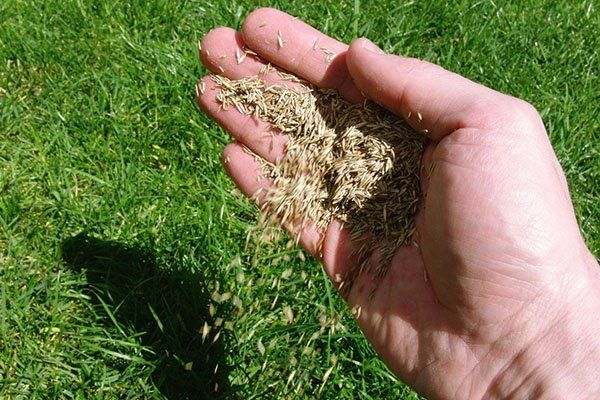
2. Calculate the number of seeds correctly.
Usually, each package of planting material indicates the required number of seeds per square meter. For manual sowing, the norm is 50–60 g/m², and for mechanical sowing, it is 25 to 3 g/m².
InMyRoom tip: remember that in spring and summer, the sowing density should be half as high as in autumn. More seeds are also sown along paths, curbs, on slopes, and uneven terrain.
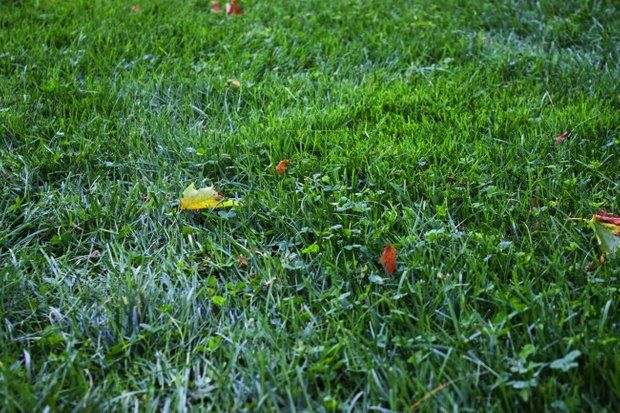
3. Get rid of weeds
Start by marking out the area in your garden for your future “green carpet.” Once you have fenced off the area, treat it with herbicide. If necessary, repeat the spraying after two weeks.
InMyRoom tip: after clearing away dead weeds and debris, level the soil and lay geotextile in the depression (20–30 cm) to prevent weeds from growing.

4. Make the soil fertile
This is traditionally done in the spring by bringing fertile soil to the site. Lawns thrive best in loose, well-drained soil rich in minerals.
InMyRoom tip: dilute acidic soil with chalk or slaked lime, and clay soil with humus or biohumus. Fertile soil does not need to be dug deeply—it is enough to loosen the top layer.

5. Compact the soil
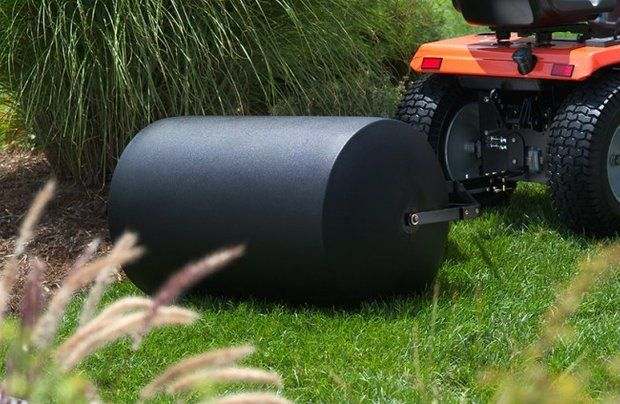
It is useful to compact the leveled area for the lawn. For this purpose, use a special roller (usually up to 100 kg) – either manual or attached to a lawn mower. After finishing the work, let the soil rest for at least two to three weeks.
Tip from InMyRoom: don't forget to get rid of any weeds that have survived.
If you want a beautiful and healthy lawn, you don't necessarily need to hire professionals. All you need is a little knowledge, patience, and a desire to work with the soil. The main thing is to prepare the site correctly, choose the right grass, and don't forget about regular but reasonable care: watering, mowing, feeding, and ventilation will do the trick. By following these simple but proven tips, in just a couple of weeks you can have a neat green carpet that is pleasant to look at and walk on barefoot.
6. When sowing, take into account the characteristics of the season.
You can sow lawn grass at any time after the soil has warmed up and before the first frost. However, keep in mind that when planting in the spring, weeds that have overwintered may sprout abundantly along with the lawn. This happens less often in the summer, but in hot and dry weather above +25 degrees, seeds rarely sprout.
InMyRoom tip: in the fall, sow the lawn either in early September or before winter, before the first snow, but you will have to wait until spring to see the results.

7. Sow grass seed evenly
Small areas of lawn are sown by hand, while large areas are sown using a lawn mower. It is best to do this on a windless day, after watering the soil. For even distribution of seeds when sowing by hand, mix the seeds with sand (1:1), add fertilizer, and sow first lengthwise and then crosswise across the area.
InMyRoom tip: to protect from the wind, cover the seeds with peat (1–2 cm), roll them with a French rake, and water them again with a fine sprayer.

8. Water your lawn frequently
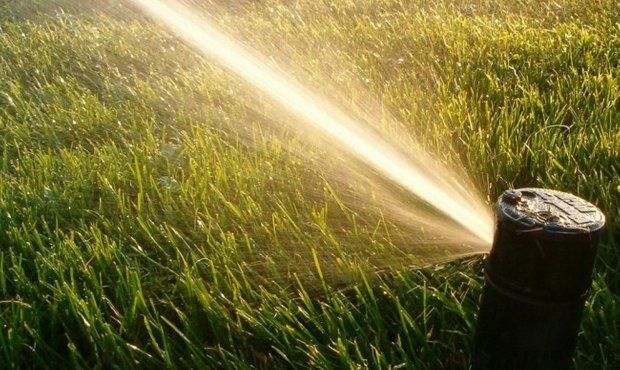
The lawn needs to be watered regularly, especially immediately after sowing, but not with a regular hose with a wide opening, but with a fine sprayer. Otherwise, the fragile roots of the grass can simply be washed out of the ground.
InMyRoom tip: for active root system development, moisten the soil to a depth of 5–7 cm.
9. Apply fertilizer in a timely manner
The type, amount, and frequency of fertilization are usually indicated on the seed package. In the spring, nitrogen fertilizers are usually used to stimulate plant growth, and in the fall, phosphorus and potassium are used to ensure good wintering.
InMyRoom tip: do not feed the grass after mid-autumn: it will start to sprout before the frosts and may be seriously damaged.

10. Let the soil “breathe”
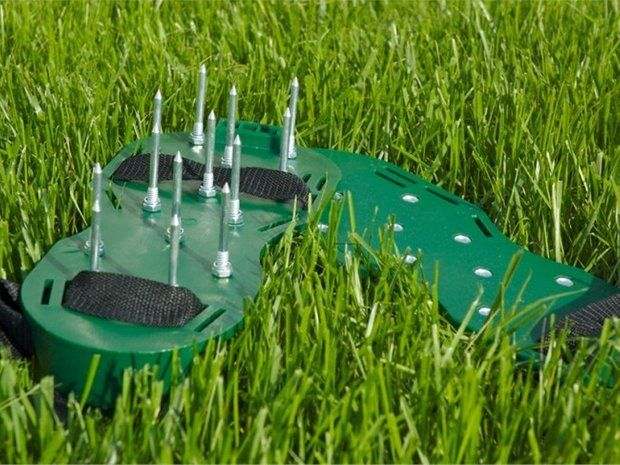
In addition to water, the root system of the grass needs to be provided with air. For this, a mandatory aeration procedure must be provided. It can be carried out by walking on the lawn in special shoes with spikes.
InMyRoom tip: try using a verticutter, a technique designed for soil aeration.
11. do not mow the grass “to zero”
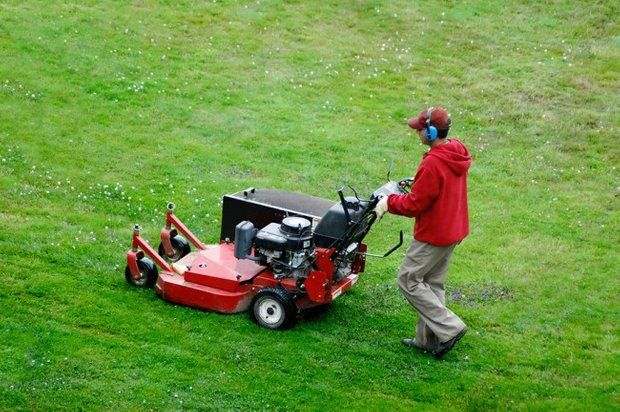
The time of the first mowing depends on the type of seeds, but usually it should be done after the grass has grown 7-10 cm. An important condition is to mow the lawn no more than a third of its height. Radical cutting is dangerous for the root system of plants.
InMyRoom tip: mowed grass is good to use as mulch for the lawn, protecting it from weeds and fertilizing the soil.
12. Use concentric mowing
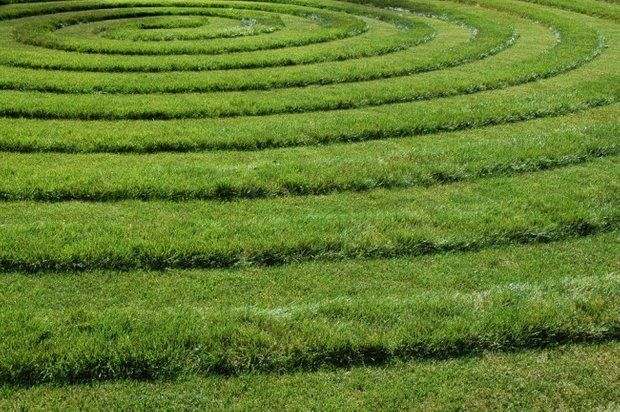
Cutting the grass in a circle will perfectly highlight its decorative qualities. You can achieve perfect spirals or circles with the help of a reliable support in the center and a rope attached to it.
InMyRoom tip: keep in mind that a lawn mower that is too heavy can damage the soil when mowing for the first time.
As you can see, creating a beautiful lawn with your own hands is quite a feasible task. The main thing is not to rush and pay attention to each stage: from choosing seeds to regular care.
Don't expect a perfect lawn right away. Grass is a living organism that needs time to grow strong and gain strength. A few bald spots in the first season are normal and can always be reseeded.
The most important thing is constant care. Regular watering, mowing, and feeding will turn your efforts into a thick and lush green carpet. It will not only decorate your yard, but also become a favorite place for the whole family to relax.
Be patient, follow these tips, and very soon you will be proud to admire the results of your labor.


