
Polystyrene foam insulation for floors is a practical approach to raise comfort and energy efficiency in your house. Expanded polystyrene, or polystyrene foam, is a lightweight, high-density material that is commonly used for insulation. Appropriate insulation can minimize heat loss, lower energy costs, and improve indoor comfort whether you’re building a new floor or remodeling an old one.
Excellent thermal insulation is one of the main advantages of using polystyrene foam for floor insulation. When it comes to EPS foam boards, their high R-value—a measurement of a material’s ability to withstand heat flow—is well known. Your living spaces will stay warmer in the winter and colder in the summer if you install EPS insulation beneath your floor. This will greatly reduce heat transfer between the interior of your home and the ground below.
The floor surface must be properly prepared before starting the insulation process. Make sure the floor is clear of any debris or obstructions that might interfere with the installation of the insulation boards, and that it is dry and clean. This initial stage of preparation is essential to guarantee a seamless and efficient application of insulation.
To reduce thermal bridging, it’s critical to fit polystyrene foam insulation boards tightly together during installation. The overall effectiveness of insulation boards can be decreased by thermal bridging, which happens when there are spaces or overlaps between them. To ensure a continuous layer of insulation across the entire floor surface, use the adhesive recommended for EPS foam to firmly secure the boards in place.
Think about covering the EPS foam boards with a second layer of flooring material, like laminate or plywood, after they are installed. In addition to offering a steady and smooth walking surface, this secondary layer aids in shielding the insulation boards from deterioration and wear over time. To guarantee optimum performance and longevity, it’s critical to adhere to manufacturer recommendations for the installation of the final flooring layer and the insulation boards.
You can increase your home’s energy efficiency and raise your family’s comfort levels by properly insulating your floor with polystyrene foam. For those seeking to lower their heating expenses, lessen noise transfer, or achieve a more consistent temperature throughout their house, EPS foam insulation presents a useful and efficient option. Years to come, you can reap the advantages of a well-insulated floor with proper planning and installation.
- The need for thermal protection and requirements for insulation
- What is expanded polystyrene
- What"s better? Polystyrene foam or extruded polystyrene foam?
- Video on the topic
- How to easily and simply insulate the floor in the house. Spray insulation. Polynor
- Floor insulation with Penoplex in a private house!
- Floor insulation with polystyrene foam. INSTALLATION TIPS
- Floor insulation with polystyrene foam PENOBOARD
The need for thermal protection and requirements for insulation
A person has a right to know why they are being told that something needs to be done. When a house’s structural insulation is inadequate, major issues can occur when it’s being used.
The following tasks are carried out by the insulation:
- preventing freezing of the ground floor floor and penetration of cold into the premises;
- protection against condensation, which leads to the formation of mold, mildew and rotting of wooden house structures;
- the house will require lower heating costs during the cold period;
- increasing sound insulation characteristics.
The insulation utilized in the floor pie must meet the following specifications:
- good strength characteristics;
- resistance to moisture;
- resistance to rotting and molding;
- safety for humans;
- non-flammability;
- ease of installation.
Extruded polystyrene foam, which is suitable for insulating brick, concrete, wood, and frame buildings, satisfies each of these requirements.
In this guide, we’ll look at some efficient ways to insulate floors with polystyrene foam—a material that’s widely used because of its cost-effectiveness and insulating qualities. We’ll go over how to prepare the floor, select the best kind and thickness of polystyrene foam, and install it properly, step-by-step. We’ll also talk about how ventilation and moisture barriers are crucial for maintaining the effectiveness of insulation over time. Gaining proficiency in these methods will enable you to create a more comfortable and energy-efficient living space, regardless of whether you’re building a new space or remodeling an old one.
What is expanded polystyrene
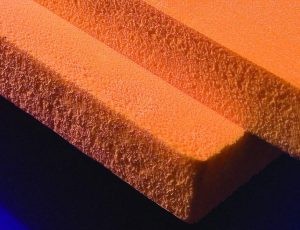
Gas-filled styrene granules make up expanded polystyrene. Since air provides the best insulation, a material with a high number of cavities will have good heat-resistance. Polystyrene foam and extruded material are the two forms of expanded polystyrene that are currently widely used in construction. It is better to utilize the second one.
Although these two materials have a similar appearance, their properties and production processes are different. Sintering is a process that turns polystyrene foam balls into polystyrene foam. Granules and a foaming reagent are combined to create extruded polystyrene foam, which is then forced through an extruder.
What"s better? Polystyrene foam or extruded polystyrene foam?

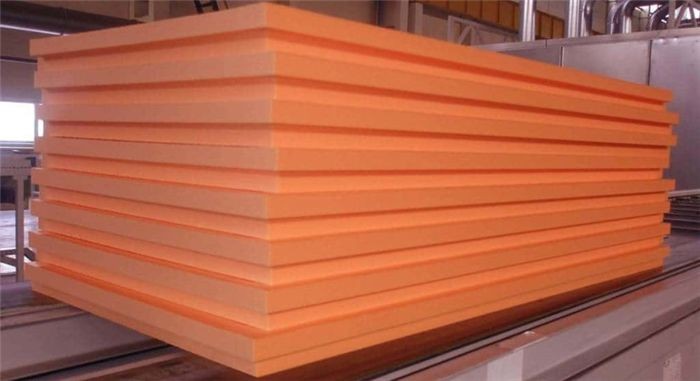
The only benefit polystyrene foam has over extruded material is its lower cost.
The second option is preferable if there are no significant financial constraints at the time the house is being built.
The following conclusions can be reached through comparative analysis:
- extruded polystyrene foam has high strength and works better in floor construction;
- polystyrene foam is characterized by higher water absorption (about two times);
- in the presence of moisture and exposure to low temperatures, the foam may crumble into individual balls;
- polystyrene foam is a medium- and low-flammable material and, when exposed to high temperatures, releases substances hazardous to humans;
- Extruded polystyrene foam, thanks to special additives, becomes fire resistant.
Extruded polystyrene foam is the most appropriate material for insulating a wooden house’s floor. You can use two types of polystyrene foam insulation at the same time to lower construction costs. Polystyrene foam makes up the bottom thick layer, which is thicker than the other layer, while a more robust material, measuring 3-5 cm thick, makes up the top layer. By using this approach, you can strike a balance between cost and quality.
Polystyrene foam insulation for floors is a useful way to increase comfort and energy efficiency in your house. Installing polystyrene foam insulation under your flooring helps to create a barrier that lowers energy costs and stops heat loss.
The lightweight and manageability of polystyrene foam make it an excellent choice for floor insulation. Its installation is easy even for do-it-yourselfers; it can be cut to fit snugly between joists or laid over the subfloor in sheets.
Additionally providing good thermal resistance, polystyrene foam insulation efficiently reduces the amount of heat that escapes through your floors. This keeps your house warmer in the winter and colder in the summer by promoting greater consistency in indoor temperature.
Additionally, polystyrene foam resists moisture, which is important in floor applications where moisture infiltration or condensation may be an issue. This feature contributes to a healthier indoor environment by halting the growth of mold and mildew.
In conclusion, using polystyrene foam for floor insulation is an affordable way to insulate your floors that, over time, can result in significant energy savings. This insulation technique offers durability, simplicity, and efficacy, making it a great choice for both new construction and renovation projects that aim to create more sustainable and comfortable living environments.


