
Foam plastic insulation for your home’s floors is a useful way to maintain energy efficiency and warmth in your house. This technique is well-liked because it is easy to use and efficient. This guide will assist you in understanding the process step-by-step, regardless of your level of experience with DIY projects or renovations.
Polystyrene foam, sometimes referred to as foam plastic, is a superior insulator. It offers excellent heat resistance and is lightweight and manageable. You don’t need specialized equipment or knowledge to accomplish professional results if you carefully follow the instructions.
Everything from selecting the best kind of foam plastic to correctly installing it will be covered in this article. You will discover how to prep your flooring, cut the foam to fit, and fasten it firmly. You can effectively lower energy costs and improve the comfort level of your home by using these tips.
Foam plastic floor insulation is a simple and efficient way to increase comfort and energy efficiency in your home. This guide will walk you through all the necessary steps to ensure a warm and well-insulated floor, from material selection to installation techniques.
- Why is floor insulation necessary?
- Advantages of using polystyrene foam in floor construction
- Options for using foam in the floor
- Installation technology
- Insulation of the first floor floor
- Use as sound insulation
- Attic floor
- Features of foam plastic insulation
- Video on the topic
- How to insulate the floor below a house? Instructions for insulating the floor from the under-house space, from the basement.
- Insulated the floor in 2 days!
- Floors on the ground: insulation instructions from PENOPLEX®
- Pie of floor insulation along joists in a frame house
Why is floor insulation necessary?
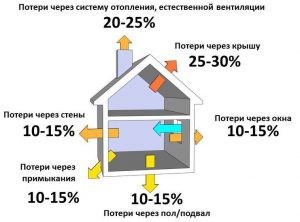
The floor is the only surface in the house that you cannot avoid coming into contact with. It is crucial to maintain a comfortable temperature as a result. It becomes uncomfortable to walk on warm air that has been heated by radiator heating batteries when the floor is not sufficiently insulated.
Insulation is also required if a heated floor system is being used. Without it, the coolant will release energy in an unsustainable way, heating the cooled layers beneath the floor covering as well.
In addition to causing excessive heating costs, incomplete floor insulation exposes buildings to mold and mildew damage. Warm air causes condensation to drop, and a humid atmosphere encourages the growth of potentially harmful microbes.
Advantages of using polystyrene foam in floor construction
Foam plastic floor insulation is a fairly common option that has become more popular because of the following characteristics:
- ease of installation: there is no need to provide workers with special clothing and protective equipment, as is the case with mineral wool or polyurethane foam;
- ease of cutting allows you to insulate the floor in a room of any geometric shape;
- the low cost of the material compared to other effective insulation materials in many cases becomes a decisive factor;
- can be used to insulate underfloor heating systems;
- resistance to mold, mildew and other microorganisms harmful to humans allows us to call the material safe and does not cause allergic reactions.
Because of these advantageous characteristics, the material can be used to build houses using any kind of material.
Options for using foam in the floor
Foam plastic can be utilized in private housing construction to enhance the qualities of the following structures:
- floors on the ground in a heated basement;
- first floor floor with unheated basement;
- interfloor ceilings to improve sound insulation;
- attic floor in a house with a cold attic.
In each of these scenarios, the material performs flawlessly provided the installation technology is used.
Installation technology
You should be aware of the characteristics of foam plastic’s application for different types of structures before using it to insulate your floor. The material needs extra protection from steam and moisture, but the installation procedure itself is as straightforward as possible.
Insulation of the first floor floor
When performing maintenance on a building made of brick, concrete, or wood, there are no notable distinctions. Foam plastic is used for floor insulation from both below and above the ceiling. Although the method from below requires a lot of labor, it is more competent in terms of thermal engineering. The great majority of the time, insulation is installed above the ceiling.
You can place polystyrene foam beneath a concrete screed or along joists. It is appropriate to use insulation between the joists in a wooden house.
If you plan to lay wooden floors, you can, if you’d like, lay the material along joists and concrete floors.


The following procedure is followed when installing logs:
- preparation and cleaning of the base;
- laying waterproofing material;
- laying out joists and securing them;
- laying foam plastic;
- laying vapor barrier;
- installation of finished floor.
Installing foam plastic on joists makes up for its weak strength. It needs to be reinforced further when placed beneath a screed, raising the cost of building or maintenance. More on the insulation beneath a screed in the floor.
It is not advised to use polyethylene film as a vapor barrier or waterproofing material in a wooden building. Selecting a more costly breathable material is preferable.
Use as sound insulation
A layer 30–50 mm thick can be used to stop noise from penetrating. This is how the floor pie should appear:
- floor;
- vapor barrier;
- foam plastic;
- waterproofing;
- finished floor.
Installation is done on joists or beneath a screed, just like in the previous instance.
Attic floor
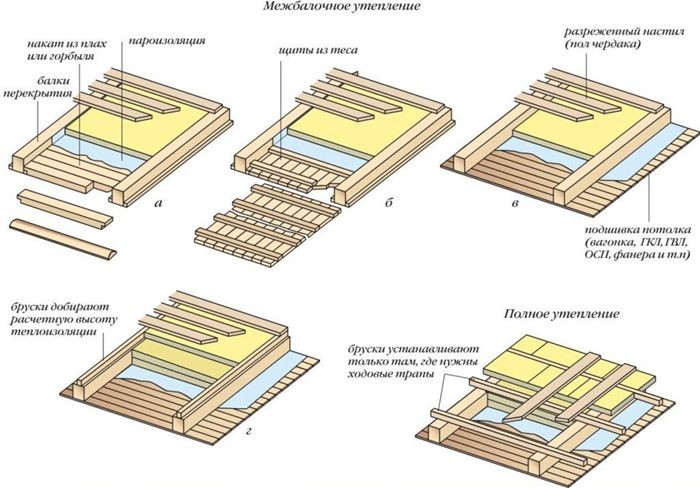
The layers needed for polystyrene foam insulation of an attic in a home are the same, but they must be thicker. You have two options: either measure it precisely to be 15 cm or use a unique heat engineering computation.
Features of foam plastic insulation

Although foam plastic offers many advantages, there are some unfavorable qualities that need to be considered when using it.
- Low strength. Manufacturers position their material as strong enough for use in floor construction, but it is necessary to remember that it requires additional protection from direct impact of the load. Laying between the logs, pouring reinforced cement screed allows you to protect the foam plastic. You can also strengthen the surface by laying a thin layer of more durable polystyrene foam on top of the foam plastic and pouring the screed. More about two-layer insulation.
- Ability to absorb water. Manufacturers assure that foam plastic is not afraid of water, this is true. But he is able to accumulate it in himself in small quantities. If material containing moisture is exposed to low temperatures, it will disintegrate into individual balls. Therefore, it is important to protect the foam from any type of moisture. It is also not recommended to use it in damp rooms; in this case, it is better to give preference to its more stable close relative – extruded polystyrene foam.
You can properly and efficiently insulate the house and prevent major issues with future structural operation by adhering to technological advancements and paying attention to the properties of the material. Since technology violations result in improper thermal protection operation, it is crucial to arrange the layers of the insulation cake in the correct order.
How-to video: How to lay foam plastic underneath the screed
Foam insulation with a balcony as an example:
| Step | Instructions |
| 1 | Clean the floor surface from dust and debris. |
| 2 | Measure and cut the foam plastic sheets to fit the floor area. |
| 3 | Lay a moisture barrier or vapor barrier on the floor. |
| 4 | Place the foam plastic sheets tightly together on the barrier. |
| 5 | Seal the joints between the sheets with tape or foam sealant. |
| 6 | Install a layer of plywood or OSB boards over the foam sheets. |
| 7 | Secure the boards with screws to the floor joists. |
| 8 | Finish with your chosen flooring material. |
Foam plastic insulation for floors is a simple and efficient way to increase the energy efficiency of your house. You can have a well-insulated floor that will keep your house warmer in the winter and cooler in the summer by following the instructions provided.
Foam plastic insulation is lightweight, easy to install, and offers excellent thermal resistance. It’s a fantastic choice for both newly built homes and remodeling projects. To optimize the efficiency of the insulation and avoid any possible moisture problems, don’t forget to make sure that proper ventilation and sealing are in place.
By taking the time to properly insulate your floors, you can lower your energy costs while simultaneously improving your comfort. It’s a wise long-term investment that increases the sustainability and economy of your house.
Insulating your floors with foam plastic is a doable project, regardless of your level of experience with do-it-yourself projects. By carefully organizing and paying close attention to details, you can accomplish this task and reap the benefits for many years to come.


