
Want to add character and coziness to your interior, but don't have the opportunity or desire to lay real brick? That's perfectly normal. Fortunately, today there are many ways to create a convincing illusion.
Imitating brickwork is a creative and affordable project. You can find an option for any budget and skill level. The result can radically transform a room, adding texture and personality.
In this article, we will look at several popular methods. From simple and quick solutions such as wallpaper or tiles to more labor-intensive but effective methods of creating volume. You will learn where to start and what to look for to make your wall look authentic.
Ready-made gypsum tiles
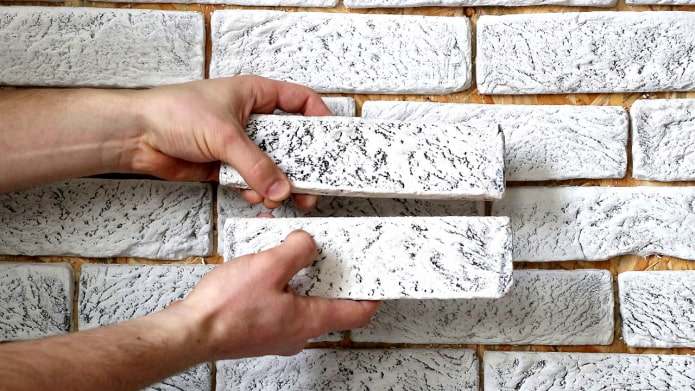
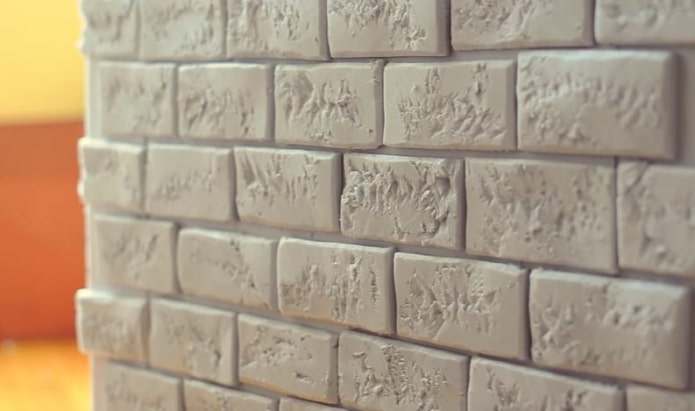
This is one of the simplest and most successful ways to decorate a wall: tiles are sold in boxes, and it is easy to calculate the amount you need. They are lightweight and require minimal effort to install. They come in a variety of colors and can imitate aged brickwork.
Gypsum “bricks” are attached with special glue. Apply the cladding as carefully as possible so that the adhesive is not visible in the joints. The finished wall can be painted to even out the color or coated with varnish.
Another advantage of facing tiles is their environmental friendliness, since gypsum is a natural material. The wall will last for several years and provide additional sound insulation.
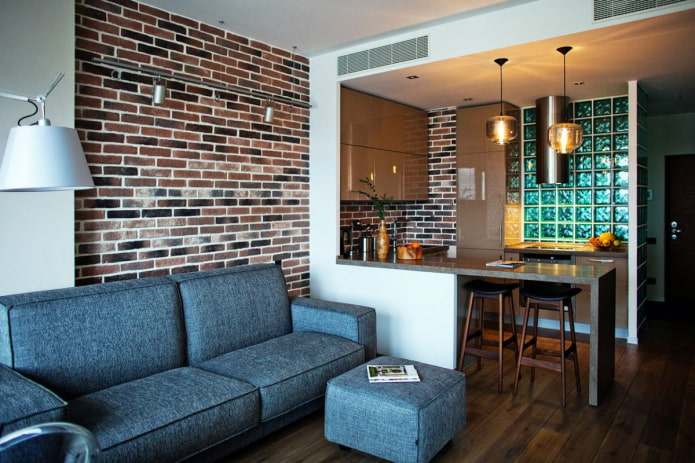
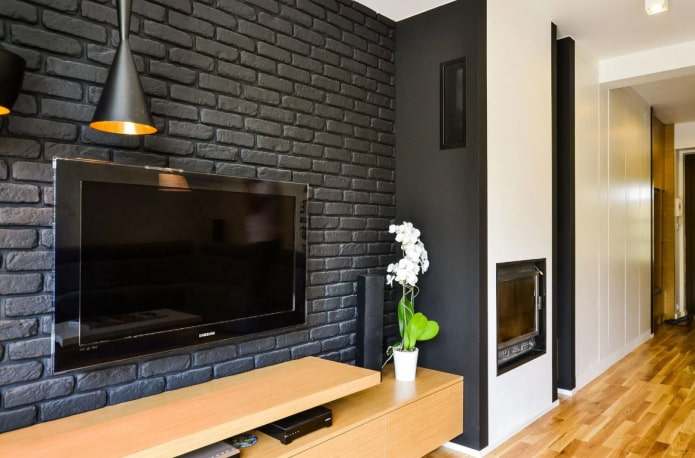
Wallpaper
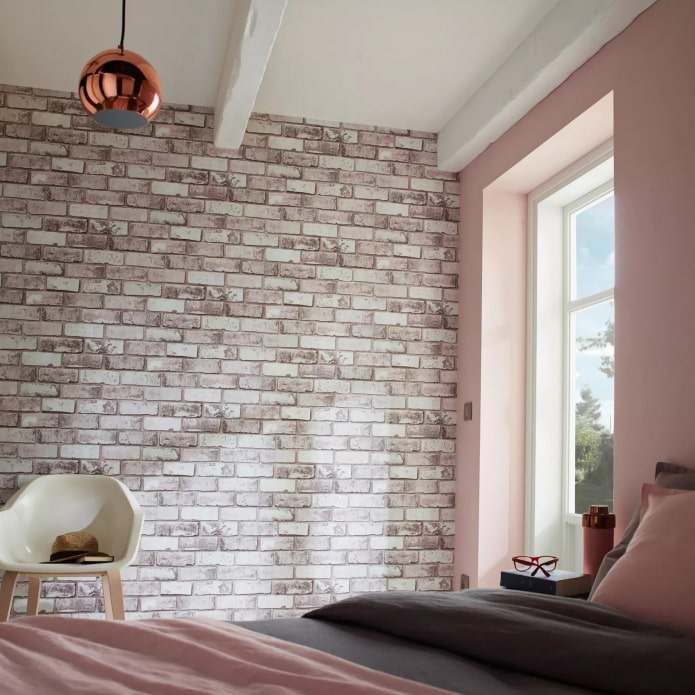
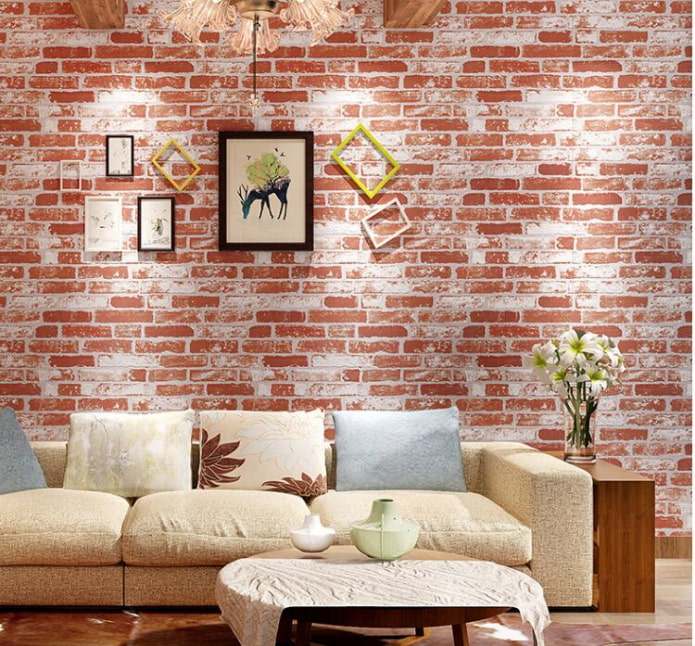
This method is suitable for those who want to imitate a brick wall quickly but do not pay attention to the volume of the texture. To achieve maximum realism, choose vinyl or non-woven canvases: all cracks and folds are visible on them, and the “brick” itself is slightly convex. Paper wallpaper has a less clear pattern and a shorter service life, but it is cheaper.
Another option is high-quality photo wallpaper, but its price is equivalent to the cost of gypsum tiles.
PVC panels
Designed for decorative finishing of hallways, kitchens, bathrooms, or balconies. The polyvinyl chloride from which the panels are made is water-resistant, and the minimum thickness of the product gives it elasticity. Some may consider this a disadvantage, while others will turn it into an advantage by decorating semicircular or uneven surfaces and easily cutting the required amount of material with scissors.
Glue or liquid nails are used for installation. Some products already contain an adhesive layer. The main disadvantages of the panels are the repetitiveness of the pattern, as well as the seams and artificiality of the material, which are noticeable to the eye.
MDF panels
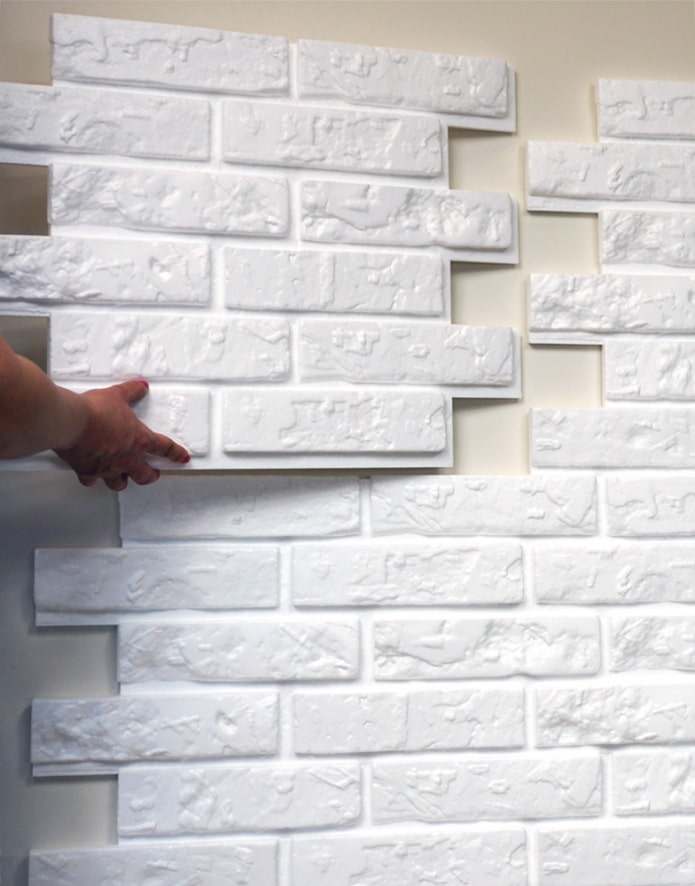
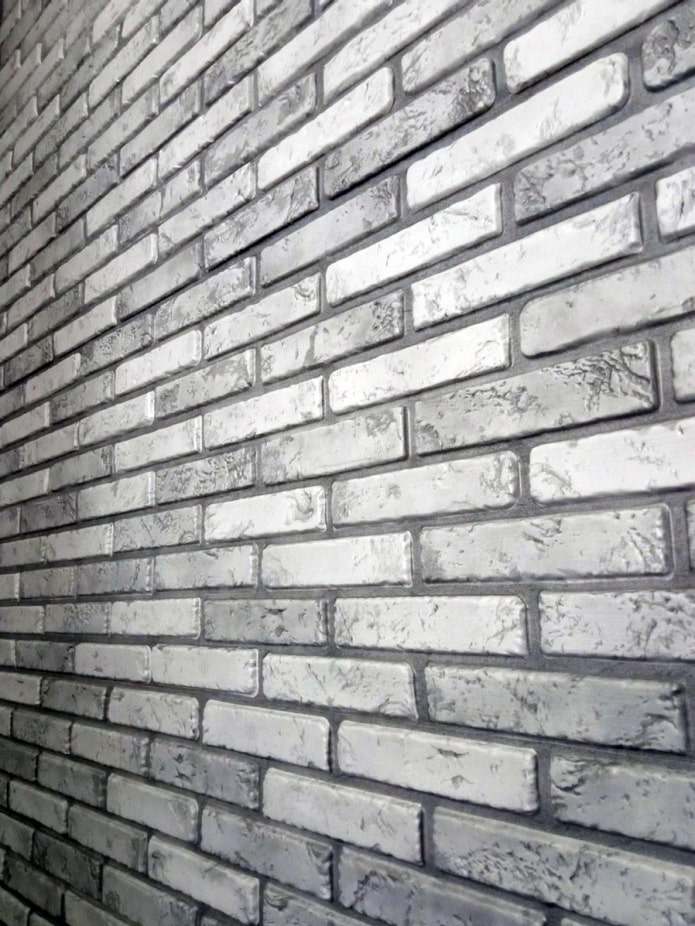
This material is more environmentally friendly and durable. It is a semi-rigid sheet measuring approximately 2.5 x 1.20 m. The embossing is shallow, but unlike plastic, it looks more convincing. The panel is attached with liquid nails and joined to the next one, forming a continuous layer.
The image, produced using high-quality digital printing, is easy to clean. It is not suitable for walls that are not perfectly level, but it successfully hides minor defects.
Plasterboard
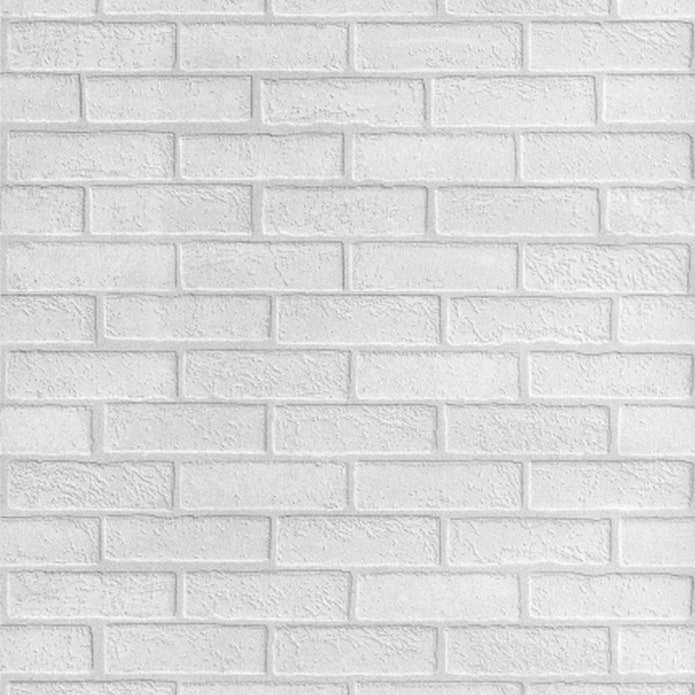
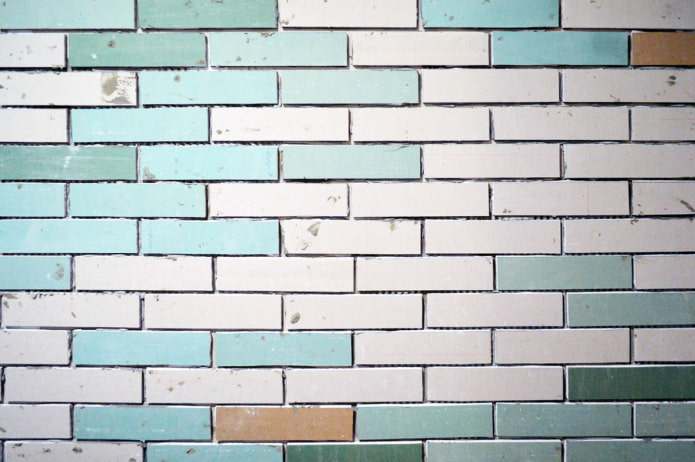
A method for lovers of smooth brickwork and handicrafts. In addition to gypsum plaster, you will need a utility knife and a ruler, and putty to give the material texture.
First, the sheet of drywall is marked into even strips 65 mm wide, then cut on both sides and broken. The resulting strips are formed into bricks.
If the area to be covered is large, the process takes a long time. The finished elements are fixed with ordinary tile adhesive.
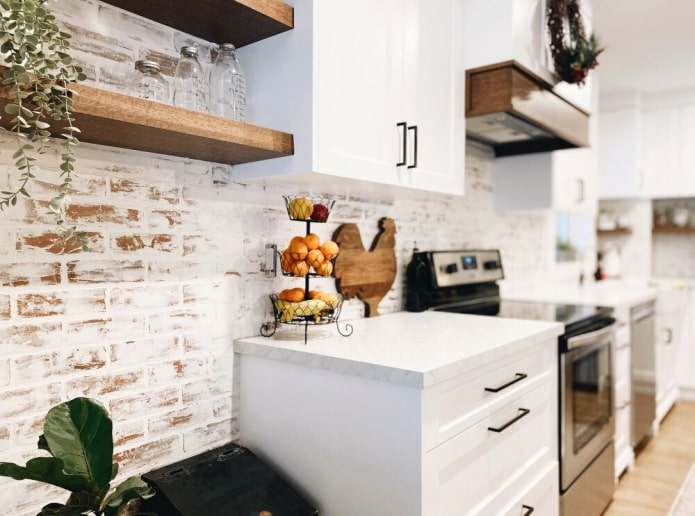
The surface can be left smooth or, after removing the top layer of cardboard, you can make notches and irregularities on it. You can imitate texture and tile joints using putty or glue, and convey color using acrylic or water-dispersion paint.
A more detailed master class can be found in this video:
Report a broken video!
Expanded polystyrene
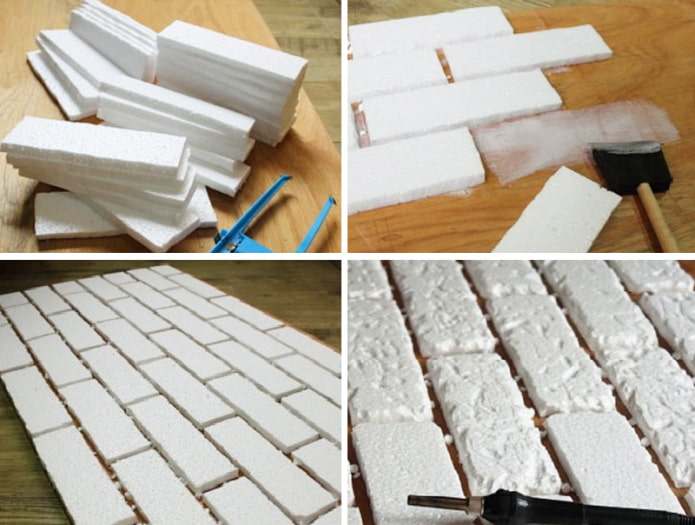
Regular foam plastic is used to make these bricks. Some people make do with leftover ceiling tiles (but the elements made from them turn out to be too thin), while others purchase sandwich panels and cut them into tiles about 1 cm thick. Foam plastic is easy to work with using a regular construction knife: you can use it to create the desired texture and add a fine relief with a metal brush.
This lightweight material is easy to glue to walls, but it is not very durable, so it is not recommended for rooms with high operational loads. You should also take into account the painstaking nature of the work—preparing the elements requires time and patience.
Flexible tiles
This material consists of 90% marble or quartz fractions and acrylic binders. The flexible base allows for corner cladding, and thanks to its moisture resistance, “brick” can be used in rooms with high humidity, such as bathrooms and swimming pools. It is also suitable for facade decoration. It is available in both individual elements and rolls. Installation requires an acrylic primer and adhesive specifically for flexible stone.
The advantage of this material is its durability (25 years of service), while its disadvantage is its high price.
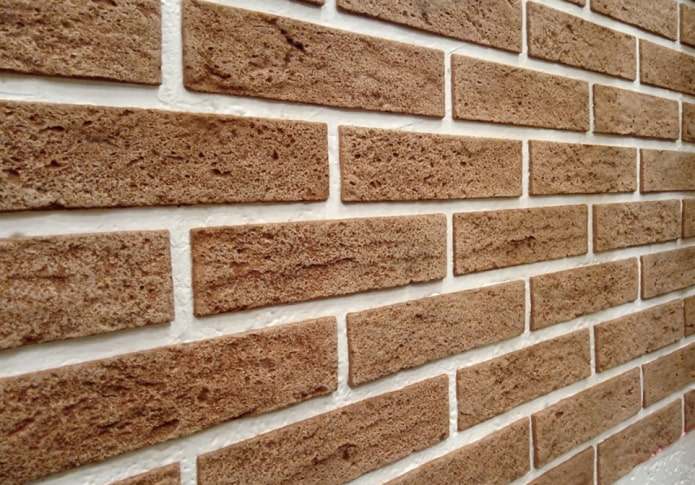
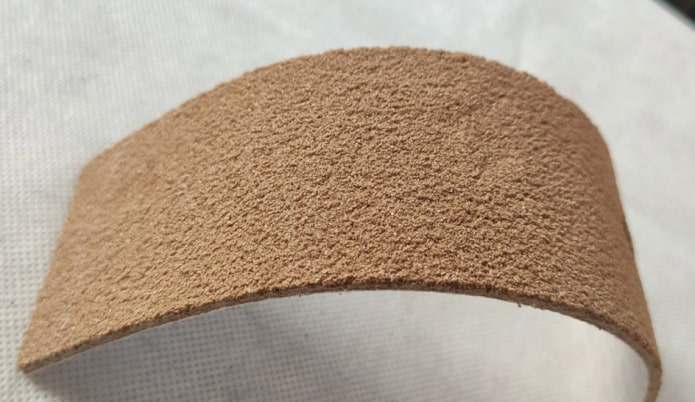
Brickwork looks stylish and expensive, but it is not always possible or desirable to lay a real brick wall—it is expensive and time-consuming. Fortunately, there are several simple ways to create the effect of brickwork without unnecessary hassle: decorative polystyrene foam bricks, special PVC panels, wallpaper with a realistic pattern, or even painting the wall to imitate brickwork will do. The main thing is to choose the right material for the interior and install or paint it carefully so that it looks natural and neat.
Porcelain stoneware brick
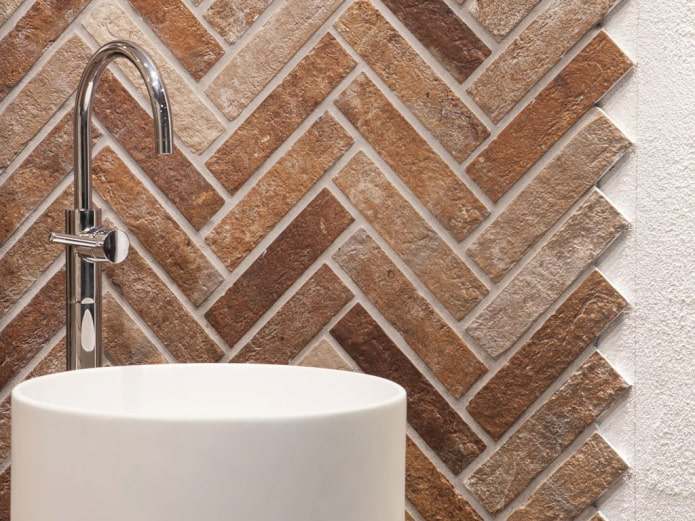
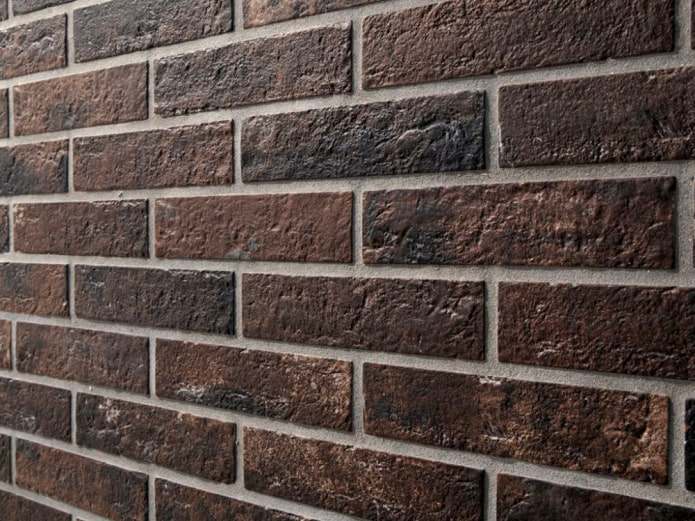
Another reliable material for cladding walls in bathrooms, hallways, or loggias. Porcelain stoneware is environmentally friendly, can withstand heavy loads, looks elegant, and its matte, rough surface successfully imitates real brick.
It is considered an expensive type of finish, as it includes the cost of materials, thorough surface preparation, and professional tile installation.
Plaster, masking tape, or a stencil
This method allows you to create a brick imitation for little money. You will need:
- primer;
- plaster;
- thin painter's tape;
- level;
- paint and brushes.
Step-by-step instructions:
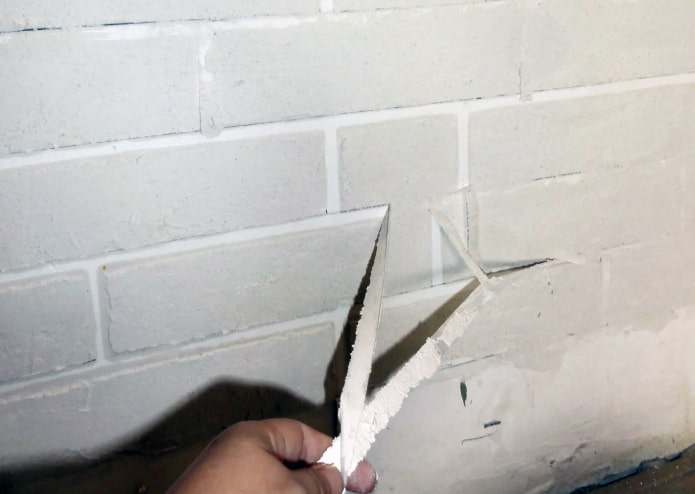
- Prime the wall, mark it with a pencil, and apply tape, leaving “tails.”
- Apply the plaster and, without waiting for it to dry completely, remove the tape.
- We smooth the edges with a damp sponge or, conversely, give the bricks a relief texture. The dried wall is strong and looks like real brick.
- We can paint it any color you like.
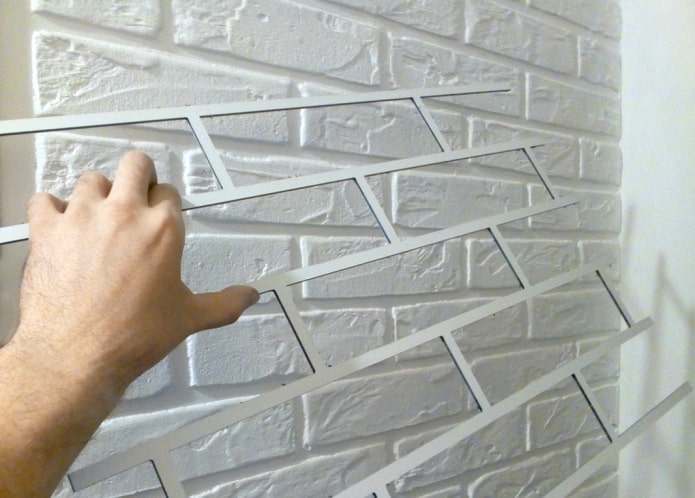
When creating brickwork in this way, be prepared for a lot of dirt and dust. Instead of tape, you can use a ready-made or homemade stencil.

Imitating brickwork is a great way to add style and character to an interior without the weight, cost, and complexity of working with real bricks. As you can see, there are many ways to achieve this effect.
The choice of the appropriate method depends on your budget, skills, and desired result. Wallpaper or panels are suitable for a quick and rental option. If you want more realism and tactile sensations, consider plastering techniques or thin brick.
The main thing is not to be afraid to experiment and to carefully prepare the surface before starting work. High-quality painting and finishing will play a key role in how convincing the final look will be. Good luck with your renovation!


