
When we enter the house, we step on the doormat. It is the first thing that greets guests and endures all the vagaries of the weather: dirt, snow, water. Therefore, choosing it is not just about decor, but first and foremost about practicality and caring for the cleanliness of the whole house.
A good mat should fulfill its main tasks: effectively clean shoes of street dirt, dry quickly, and be resistant to abrasion. But at the same time, it can and should be stylish, adding a touch of flair to the entrance area.
Let's figure out what is important to pay attention to so that your doormat becomes a reliable helper and decoration for your hallway. We will talk about sizes, materials, design, and other important details of the choice.
What is a mat for?
We have already established the first and main reason for using a doormat—it acts as a buffer between the street and the house, preventing dirt, water, and dust from shoes from entering the entrance area. This advantage is especially noticeable in wet autumn and spring weather.
Families with small children or pets who might accidentally step in a puddle on the floor will appreciate the effect of this product and its ability to absorb moisture.
The second function of a rug is inherent in any textile: decorativeness. A rug of the right shape, size, and color will make the hallway cozier.
The third advantage works exclusively on tiled floors: safety. When you come into the house from the cold in wet shoes, you can easily slip and injure yourself. To avoid this, step onto the mat first, take off your shoes, and walk inside without fear of injury.
The fourth advantage of a rug in the hallway is that it protects the floor covering. Laminate or parquet flooring, which tends to swell when it comes into contact with water, can be saved by a rubber rug or mat.
The disadvantages of mats at the front door are limited to two factors:
- Dirt accumulation. Naturally, something that traps dirt will collect it. To keep your mat looking good, you just need to take care of it properly: we'll tell you how at the end of the article.
- Old-fashioned. Rags at the doorstep really do look untidy and are a relic of the past. Stylish mats, on the other hand, can make the design of the hallway more harmonious.

What types are there?
There are four types of hallway carpets, depending on the material they are made of.
Rubber mats
Rubber is a surprisingly practical material. It is easy to clean, lasts a long time, and does not require special care. But all the advantages are offset by one serious disadvantage: appearance.
Rubber mats look unattractive, and this is a case where one small element can ruin the entire design of a room. The second drawback is that mats with high cells can cause you to constantly trip over the edge when leaving the room.

Fuzzy mats
Pile carpets have advantages and disadvantages that are the opposite of those of rubber carpets. They look aesthetically pleasing and decorate the entrance area. Depending on the pile material, they can be laid in hallways decorated in different styles.
However, a pile carpet gets much dirtier, and cleaning it is inconvenient and time-consuming. The second disadvantage is that it gets wet during use. A wet mat “shares” moisture with the floor, which is safe for tiles and high-quality linoleum. But for laminate or parquet flooring, it is better to choose the following option.
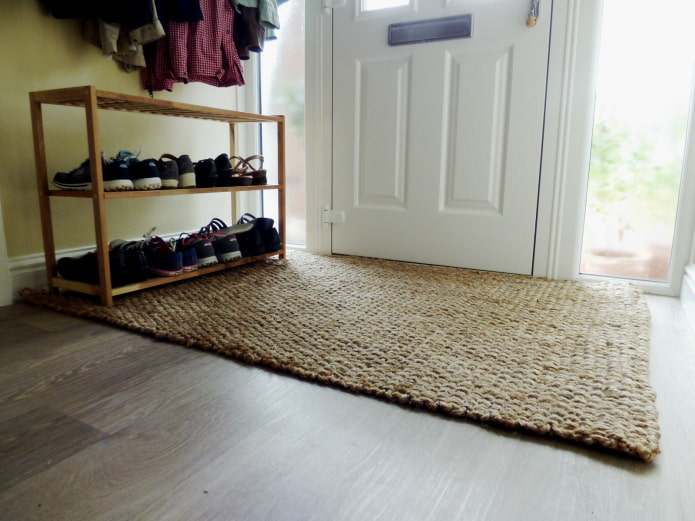
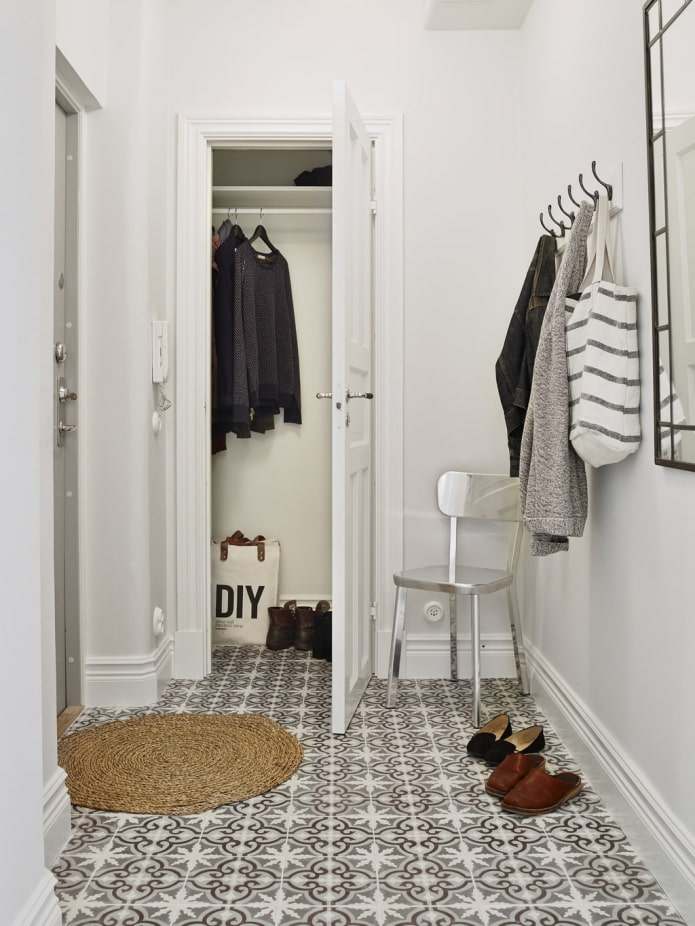
The photo shows a jute mat.
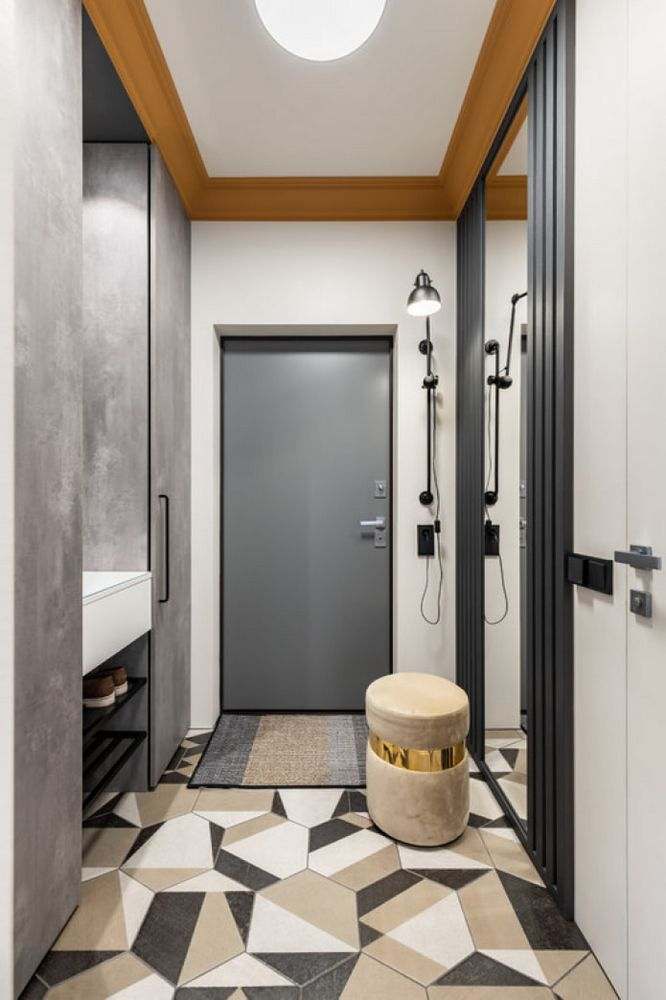
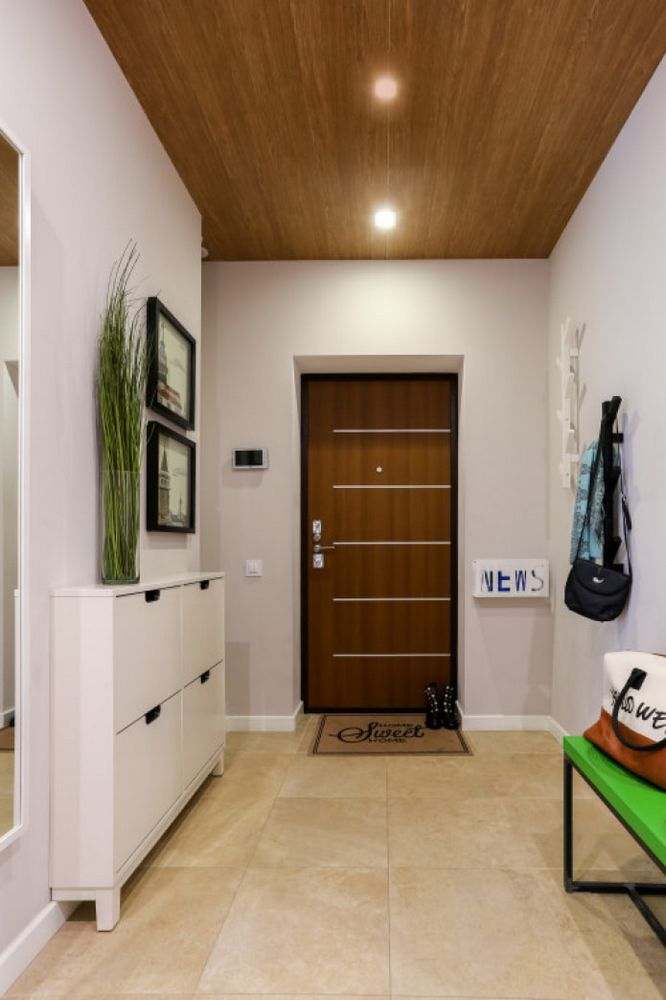
Rubber-backed rugs
This type combines the advantages of the first two types: they look attractive and protect the floor covering from moisture. However, they are difficult to wash due to their pile. In addition, unlike ordinary fabric mats without a rubber base, they cannot be machine washed.
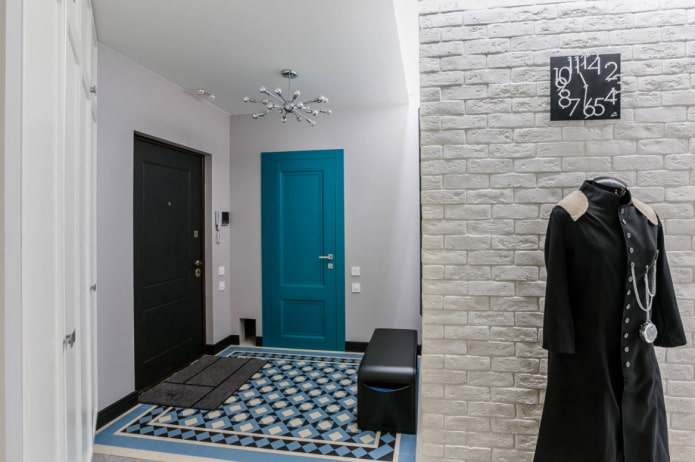
The photo shows a rug on a rubber backing.
Door mat made of foam materials
Let's start with the negative side: cheap PVC rugs look as cheap as they are. But if you set your mind to it, you can find more expensive alternatives on the market that will fit well into any modern interior.
The advantages of PVC are obvious: it does not get wet, does not allow water to pass through (if there are no special holes), does not slip, practically does not change during use, and is easy to clean. The only question remains about environmental friendliness: it is based on synthetic, not natural, fibers, which, if processed incorrectly, can release caustic substances into the air.
Tips for choosing a material
To choose one of the four options listed above that is durable, attractive, and easy to care for, you should consider the conditions in which the mat will be used, your personal preferences, and your interior style.
Residents of arid, warm regions where rain is rare need a mat to trap sand and dust from the soles of their shoes. You can lay down a regular fabric mat, which will need to be shaken or vacuumed from time to time.
For regions where there is dirt even in winter, options with rubber in the composition are suitable: at least coconut fiber on a rubber base.
When it comes to personal choice, it's more about cleaning: are you willing to wash your doormat once a week? Or would you prefer to wash it regularly in the washing machine? Or maybe you just want to rinse it in the shower?
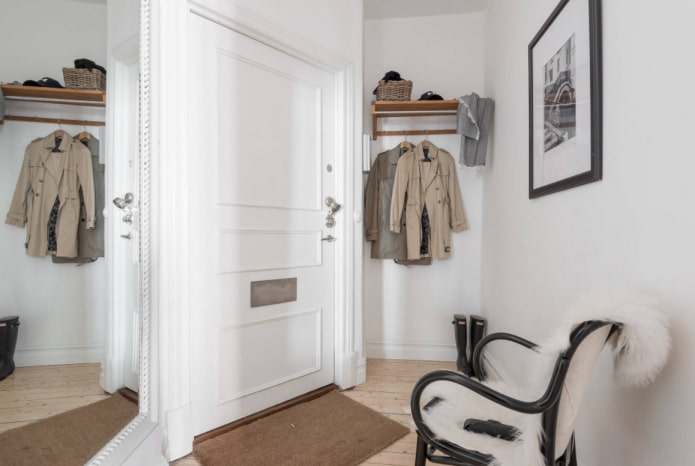
The photo shows a coarse mat made of natural coconut fiber.
What is important to consider when choosing external characteristics?
The color of the rug in the hallway reflects not only beauty but also practicality. Light-colored models, for example, will quickly turn into unsightly rags in the autumn slush. Too dark, especially fluffy ones, will attract dust, hair, and debris. It is better to give preference to a neutral or colored palette of medium saturation.
Size and shape are equally important. To make it easier to understand what size rug will work, walk across the clean floor in dirty shoes and perform the standard operation of taking off and putting on shoes, moving from the entrance to the storage area, mirror, and coat rack. Any damaged areas that are discovered at the end of the procedure should be covered.
If you and your family members are used to putting on and taking off your shoes right by the front door, a small rug will suffice. In a house with a long hallway, where cabinets, shelves, and benches are stretched out along the length, it is better to lay a long rug: this way, once you have put on your shoes, you can walk to the cabinet with your keys or gloves.
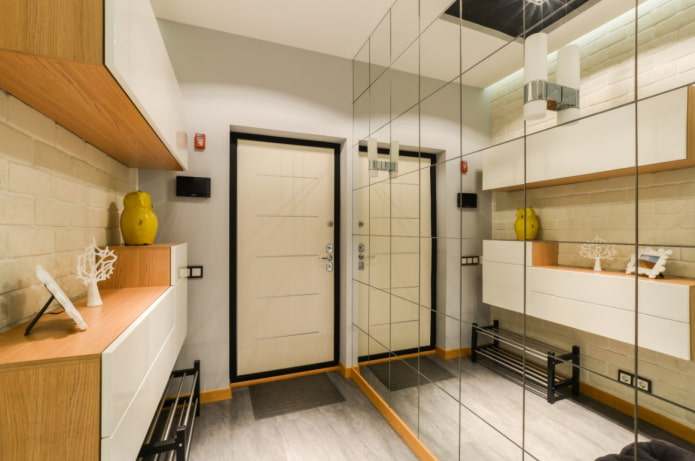

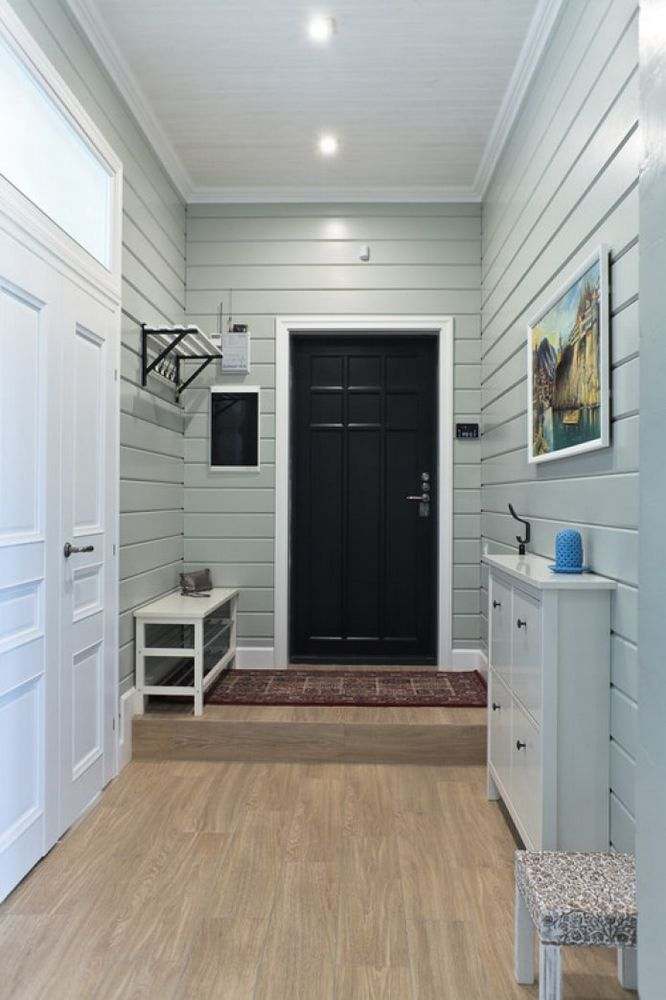
The choice of color or size can be limited by logical constraints, but the question of design is purely individual. Plain, colored, with inscriptions, square, rectangular, semicircular, round — look for the ones that you like and that suit your hallway renovation!
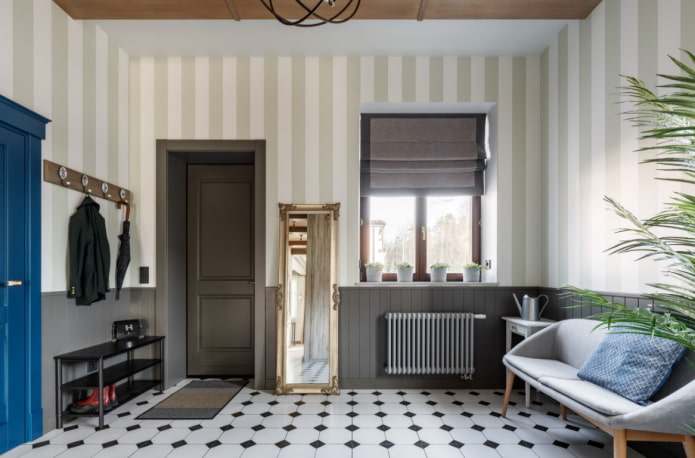
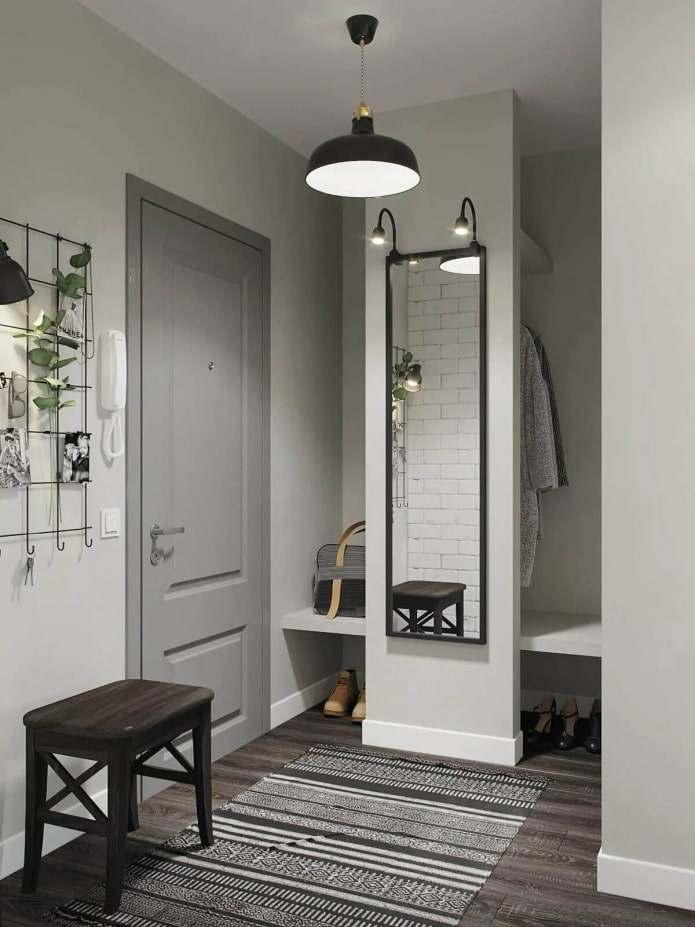
In the photo, the rug extends to the shoe shelf.
A door mat is not just a decoration, but the first line of defense against dirt, moisture, and cold. To choose the right one, first determine where it will be placed—outside, inside, or in the vestibule. Choose a material that can withstand the weather and frequent cleaning: rubber or polypropylene for outside, fabric or microfiber for inside. The size should be such that the door does not touch it when opening, and dirt from shoes falls directly onto the rug. And don't forget about the design — it should match the overall style of the hallway, but at the same time be stain-resistant. The main thing is that the rug is comfortable, practical, and does its job.
Care recommendations
To clean the mat quickly, you need to know what material it is made of:
- Fabric rugs (homespun, knitted, sewn) can be washed in the washing machine.
- Flip over cellular mats, shake them out (remove sand with a vacuum cleaner), dip them in a basin, and dry them.
- Fuzzy rugs should be washed under strong pressure; if dirt remains, a stiff brush will help.
- Foam mats should be cleaned with a soft brush, soaked and washed by hand, and washed under medium water pressure.
- Heated mats require dry cleaning: sprinkle with a special powder or baking soda, wait, and vacuum up the dirt.
If stains cannot be removed, use a fabric stain remover or a special carpet cleaner. The latter is available in the Vanish, Grass, Unicum, and Bagi product lines.
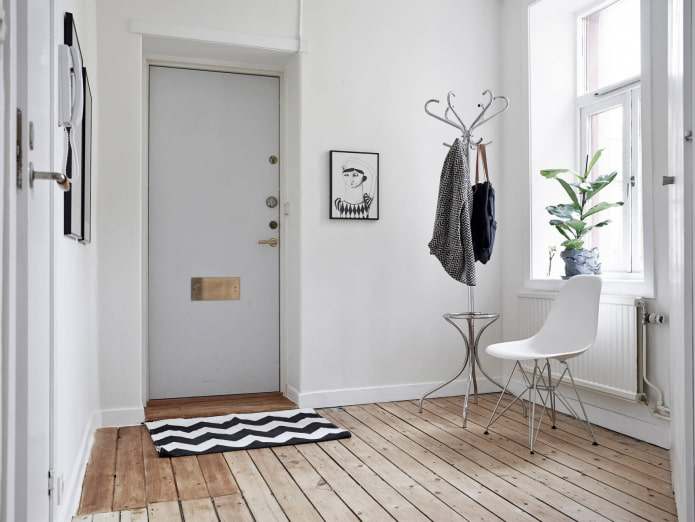
Choosing a doormat is a balance between practicality and style. The main thing is that it performs its main task well: cleaning shoes from street dirt and moisture. Focus on the size of the doorway and a material that is easy to clean.
Don't worry that functionality will spoil the look of your hallway. Today, you can find many models that do an excellent job of dealing with dirt while looking modern and stylish. Your rug can become an accent that sets the tone for the entire hallway.
Ultimately, the best choice is the one that suits your family and lifestyle. Consider traffic, seasonality, and ease of care. Then your new rug will delight you for a long time with its appearance and reliable service in keeping your home clean.


