
When choosing a kitchen sink, you may be overwhelmed by the abundance of materials available. Among them, ceramics occupy a special place, offering a classic, time-tested option. Such sinks remain popular, and there are good reasons for this.
On the one hand, ceramic sinks are renowned for their durability, resistance to high temperatures, and unique aesthetic charm. They easily fit into different interior styles, from traditional to modern Provence. However, as with any material, ceramics have their own nuances that are important to know before purchasing.
In this article, we will honestly and simply analyze the main pros and cons of ceramic sinks. This will help you weigh all the pros and cons and make an informed choice that will delight you every day.
What is ceramic?
A ceramic sink is a kitchen sink that has been competing with stainless steel products in recent years. Ceramic sinks have long held a leading position in the bathroom. The advent of porcelain stoneware bowls has expanded the range of kitchen sinks. They differ from ceramics in their greater strength, durability, and weight.
The basis of ceramics is white (kaolin) or red clay with the addition of quartz, feldspar, additives, and pigments. The material is considered environmentally friendly and safe for humans, as it does not emit toxic fumes or cause allergic reactions.
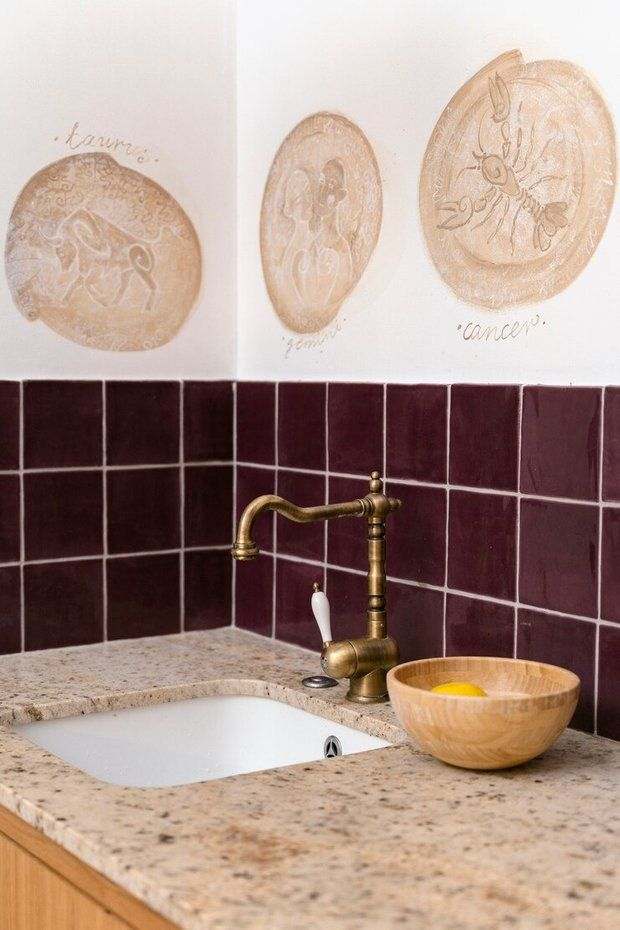
Ceramic kitchen sinks are made from different types of ceramics — porcelain, earthenware, and porcelain stoneware. The first is the most expensive and delicate, the second is budget-friendly and reliable, and the third is just coming into use but has already proven itself.
Types of ceramics
There are several types of ceramics. Each of them has its pros and cons. Let's take a closer look at them.
Faience
A durable, stylish sink is mounted on the wall, cut into a cabinet or into the countertop of a furniture set. White products are considered universal, as they go well with furniture in any color palette.
After firing at a temperature of 900-1300 degrees, earthenware must be glazed, as it is porous and hygroscopic. A glossy or matte layer of glass glaze protects the surface. It does not absorb water, and dirt can be easily washed off it.
Porcelain
White porcelain seems to glow from within. Painted in pastel colors, it charms with its even color. Popular shapes for ceramic sinks are bowl-shaped or rectangular. Both plain and marble-textured items look chic.
Ceramic mass contains a higher percentage of expensive white clay than in the manufacture of faience. Kaolin mixed with quartz and feldspar during firing (at a temperature of 1300-1420 degrees) acquires a non-porous structure. The surface of porcelain is smooth, even, and hard. It does not allow moisture to pass through and is scratch-resistant. It is used in exclusive brand sinks, which are valued for their snow-white color and exquisite lines.
What is porcelain stoneware
High-pressure pressing gives the mixture of clay, quartz, feldspar, granite chips, and pigments high strength, durability, and resistance to acids and alkalis. Due to its excellent performance and aesthetic characteristics, porcelain stoneware kitchen sinks are gradually replacing stainless steel and earthenware products.
The structure of porcelain stoneware is similar to natural stone. A ceramic kitchen sink made from this material has the following pros and cons:
-
the material is durable, hard, and resistant to mechanical impact, chips, and scratches.
-
the sink is painted in different colors and comes in a variety of sizes and shapes.
-
minimal water absorption extends the service life of the product.
-
the sink surface is resistant to fungus and mold.
-
ceramic has a consistent color, as the material is colored throughout, is not affected by ultraviolet rays, and does not fade.
-
the possibility of using different types of finishes — glazed, matte, and polished options.
The disadvantage is that porcelain stoneware products are quite heavy. You will have to give up on installing them on your own.
Shapes of modern ceramic sinks
Manufacturers offer ceramic sinks in various configurations:
-
single sink — the most common option, with one bowl 45-75 cm wide.
-
double chamber — divided into two compartments with a total width of 60-120 cm.
-
corner sink — for compact kitchens.
A number of ceramic products have so-called “wings” — additional surfaces on the sides where detergents, napkins, and sponges can be placed. Each model has certain advantages. The choice depends on the layout and size of the kitchen, as well as the preferences of the apartment owners.
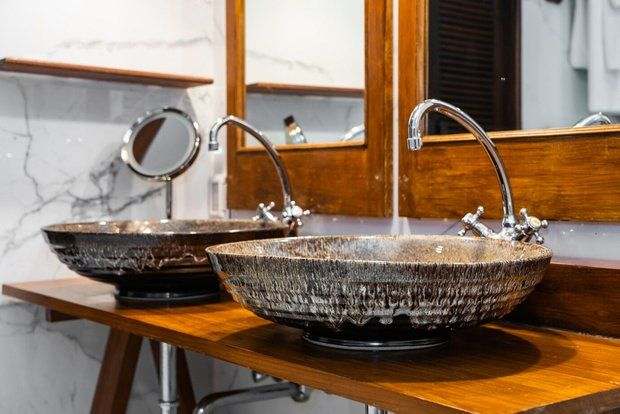
The shape of the sink can be rectangular, square, round, or oval. Round models look original and add softness and elegance to the interior.
A ceramic sink for the kitchen is a classic choice that combines aesthetics, durability, and ease of care. It is scratch-resistant, can withstand hot dishes, and looks neat even after years of use. The main advantages are a smooth surface that does not absorb odors and a large selection of shapes and sizes. But there are also disadvantages: ceramic is fragile — a strong blow can cause chipping, and the sink itself is quite heavy, which is important to consider during installation. Overall, if used carefully and installed correctly, it is a reliable and beautiful option for the kitchen.
Color range
Many manufacturers offer not only white and black sinks, but also colored ones. The technology allows the product to be manufactured in any color. Most often, these are soft, natural pastel shades: beige, powder, mint, sand, blue, and cocoa with milk. The variety of the model range is also enhanced by the material coating — glossy or matte.
Features of operation
Ceramic sanitary ware is resistant to detergents, acids, and alkalis. They can be washed with household chemicals, baking soda, and laundry soap. Abrasive pastes and metal brushes should not be used. This can damage the appearance of the products.
When choosing a sink for your kitchen, ceramic is always a classic and reliable option. It gives the kitchen a cozy atmosphere and a feeling of solidity that is difficult to achieve with other materials.
Among its main advantages are its impressive durability and scratch resistance. It is very easy to care for, and its smooth surface repels dirt. In addition, it is resistant to high temperatures and accidental impacts from dishes.
However, it is important to remember the disadvantages. Such a sink is quite heavy and requires a sturdy countertop for installation. Unlike steel, it can crack if struck hard with a heavy object. And, of course, it is often more expensive than budget stainless steel models.
As a result, a ceramic sink is an excellent choice for those who appreciate aesthetics, practicality, and are ready to invest in a durable solution. It is ideal for creating a cozy and stylish kitchen where both beauty and functionality are important.


