
Often, when thinking about room design, we think about carpets last. But we shouldn't. It's not just a piece of fabric on the floor, but a real tool that can completely transform a space. It adds comfort, warmth, and completeness, tying together all the elements of furniture and decor.
With a carpet, it is easy to add accents, divide a large living room into zones, or give a bedroom a special softness. It also works with sound, making the room quieter, and with sensations, when it is pleasant to step barefoot on a warm, fluffy surface in the morning.
Choosing the right rug is not just about color and size. It is important how it will fit in with the overall style and what atmosphere it will create. And this works for any room: from a formal office to a cozy nursery.
Let's figure out together how to choose the right rug and where to place it so that the interior takes on a new look. In this article, you will find real-life examples and photos for inspiration.
How to choose a rug for your living room
Virtually any style in residential design is compatible with carpets and rugs. They help to zone the space and logically combine interior elements. The main rule is to follow the canons of the overall style direction: from the choice of color to the size and geometry of the outline.
Carpets in a modern living room interior can be floor or wall-mounted. Depending on the chosen design, rooms differ in texture and material. Silk carpets are the most expensive. They are airy and require high craftsmanship. Wool carpets are traditionally laid on the floor. Cotton and viscose carpets are practical and come in a wide variety of artistic designs and colors. They are widely used in rustic, country, Provencal, and oriental styles.
Leather and sheep's wool rugs have become trendy. They can be made from natural materials. For followers of “green” movements, there are many options made from substitutes: high-quality eco-leather and leatherette, artificial pile from various animals.
Artificial materials are also used to make carpets: nylon variations are cheap and practical; polyester ones are also inexpensive, offering a rich color palette and imitation of natural texture; polypropylene is durable and closely resembles natural wool in its finish, making the original uncompetitive in terms of price.
When planning to use carpets in your living room interior, it is a good idea to consider the requirements of the room in terms of their characteristics:
-
cleaning up any mess should be “painless” and effective: the living room is a place for receiving guests with all kinds of “unforeseen” surprises in the form of spilled drinks or debris on the carpet.
-
high pile (15 mm or more) is not desirable near the dining area, where crumbs attract bacteria that are not always friendly to humans.
-
wear resistance is an important factor when choosing a carpet: the living room is a high-traffic area for large families and guests.
-
the design of the covering should not “stick out” from the overall design of the room or be an unexpected decorative object for those around the property owner.
-
the durability and wear resistance of a carpet is determined by the material it is made of: silk products are more decorative than practical compared to artificial fibers or threads and are ideal for decorating walls.
-
synthetic materials are sometimes allergenic and are not always suitable for children who like to play on soft floor coverings.
-
the “calm” colors of the carpet are determined by the abundance of bright colors in the living room design.
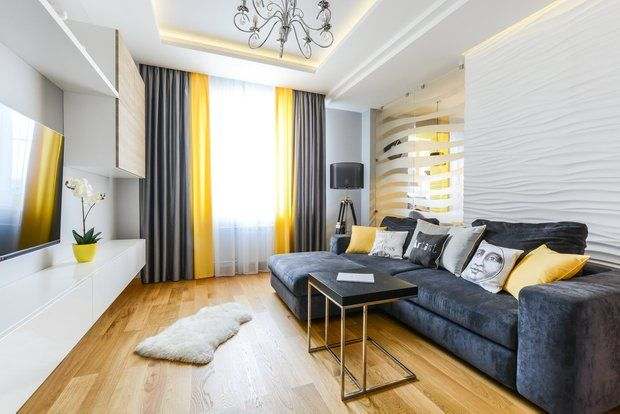
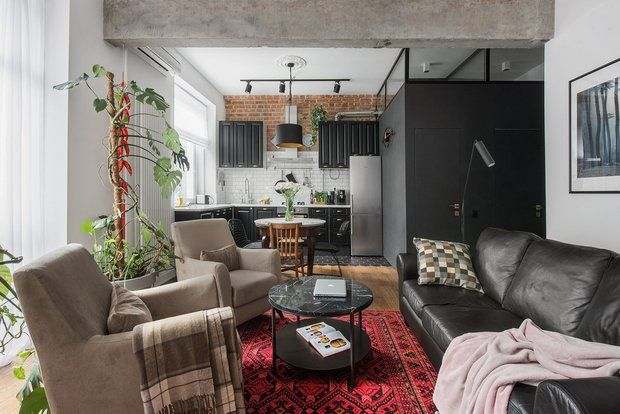
In the photo: an unpretentious carpet in a modest living room
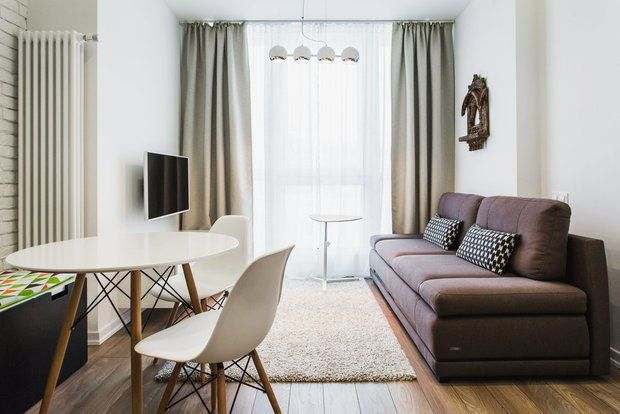
In the photo: a long-pile carpet styled to look like fur.
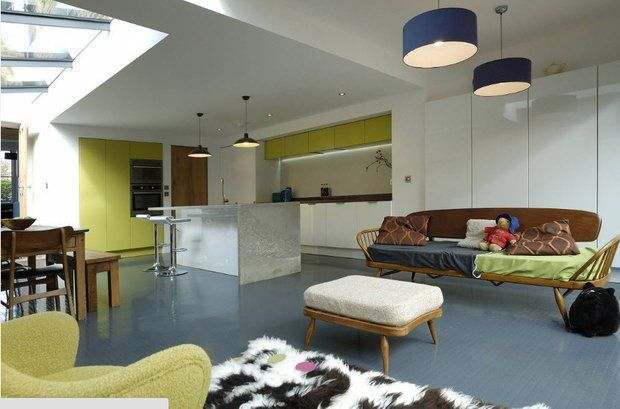
In the photo: woven covering under a coffee table
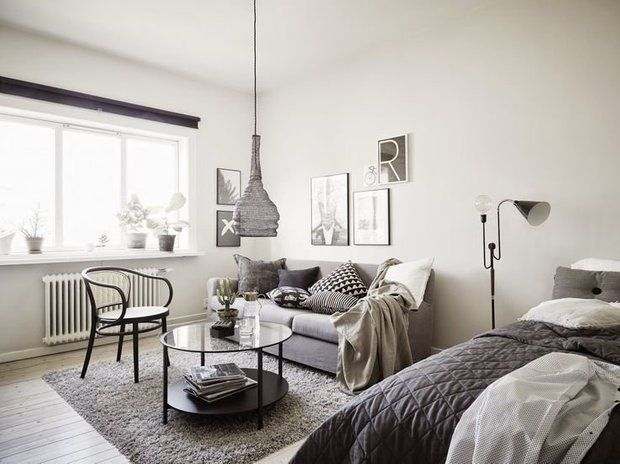
In the photo: carpet in a studio living room
In the photo: a palace in the interior of a city apartment
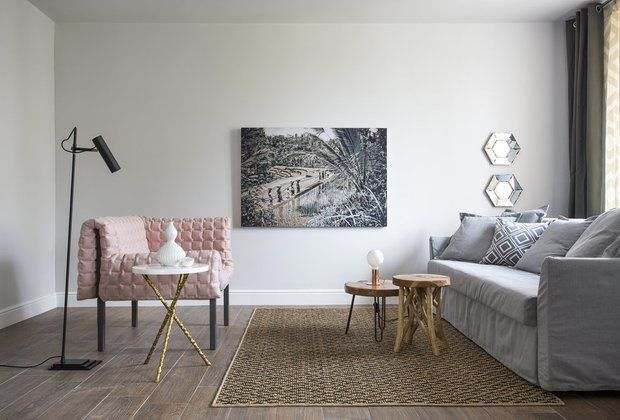
Design: Anna and Daniil Shepanovich
Price-performance ratio
In addition to their low price, artificial carpets are prone to increased electrification (the occurrence of static electricity) and allergenicity (a predisposition to cause allergic reactions in the body). Propylene flooring options are popular today. However, they are sensitive to moisture and direct natural light, absorb dust easily, and are difficult to clean with a low-power vacuum cleaner. They are effective for no more than 5 years. Persian natural carpets, for example, have been used for centuries, passing from generation to generation as heirlooms. The price is incomparable, but the quality is worth it!
Capron is elastic and durable in carpet finishing: the pile is attached to the synthetic material with latex. However, this option is slightly more expensive than a propylene base and will give the product an additional life of up to 5 years with careful use.
Viscose and artificial silk are wear-resistant, but are not very suitable for heat and sound insulation.
Knitted carpets last about 10 years. They are cheaper than wool products. A presentable appearance is achieved by weaving the base and the selected pile at the same time. The result is durable and gutta-percha-like.
Wool carpets in living rooms are expensive but exceptionally eco-friendly. They last a long time (at least 50 years), are fire-resistant, and have high artistic value when handmade. Their disadvantages include their tendency to collect dust and attract moths and mold if not properly cared for. Synthetic fibers make them more durable and easier to clean. The optimal ratio is considered to be 80 to 20 in favor of natural fibers.
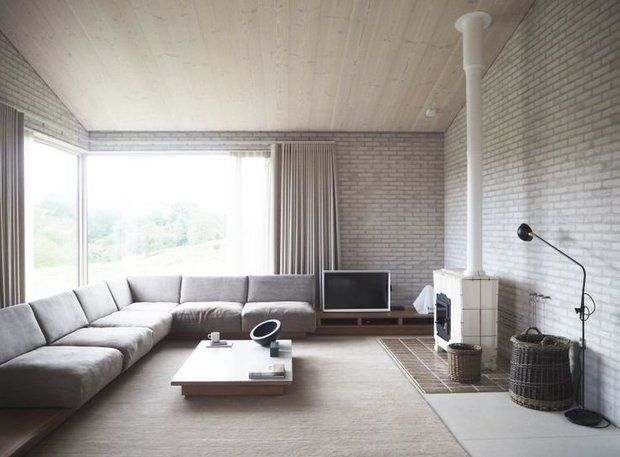
A carpet is not just a soft floor covering, but an important interior detail that unifies the furniture, sets the mood, and makes the room more comfortable. In the living room, it can become the centerpiece of the composition, especially if it is correctly matched in color, size, and texture. But a carpet is not only appropriate there: in the bedroom, it provides comfort for bare feet, in the hallway, it absorbs dust and dirt, and in the kitchen, it adds warmth and personality. The main thing is not to be afraid to experiment and choose the one you really like, not just the one that follows the “rules.”
External visual perception capabilities
A living room carpet requires a design project with a specific component: a room for receiving guests “resists” carpet runners and “deviations” from the overall style in color and shape.
The living room is predisposed to beautiful and exquisite products with a relief or smooth base. Natural materials can be both beautiful and therapeutic.
A large living room can accommodate several rugs for each design-selected semantic zone in a unified style solution. Baroque calls for floral ornamentation, while high-tech calls for abstraction.
If you want to cover the entire living room, you should take into account a practical rule: the uncovered space from the wall is about 50 cm. This will not visually reduce the overall space.
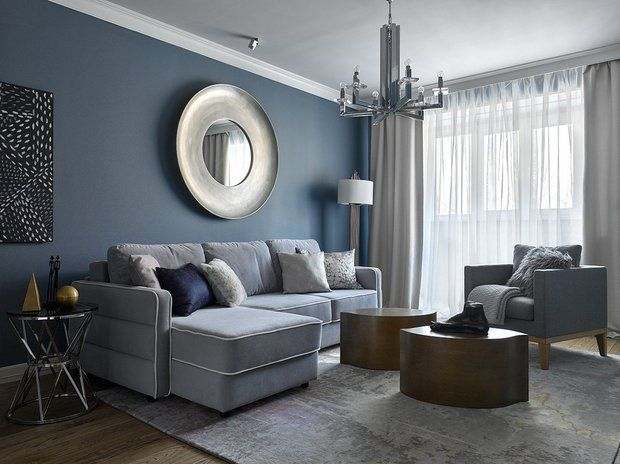
Design: Artur Minakov and Yulia Fedotova
Carpet size
The desire to completely cover the space with carpet – carpet. But it is more suited to a children's room or study. The size of the carpet is determined by the design, the desire to zone the space, the possibilities (including those available) to make a beautiful floor covering, providing a decorative effect of improving the living room.
Small rugs are placed next to the places where feet most often find their natural refuge: the bed, sofa, armchairs, bookcase, balcony entrance…
In terms of appearance, there are single-level and multi-level carpets. In the first case, the uncut loops are of the same height. In the second case, the different lengths of the loops create the effect of a voluminous ornament, which also visually increases the size of the product.
As noted, a large carpet with distinctive design features requires harmony with the surrounding environment. The geometry should also blend organically into the living room interior.
A rug measuring 3 square meters is considered small. It fits under a coffee table with armchairs, next to a sleeping area. Medium-sized rugs measure up to 6 square meters. They are suitable for decorating the central area of the room. Large rugs measure 6 square meters or more. They are organic, elegant, and sophisticated for spacious living rooms.
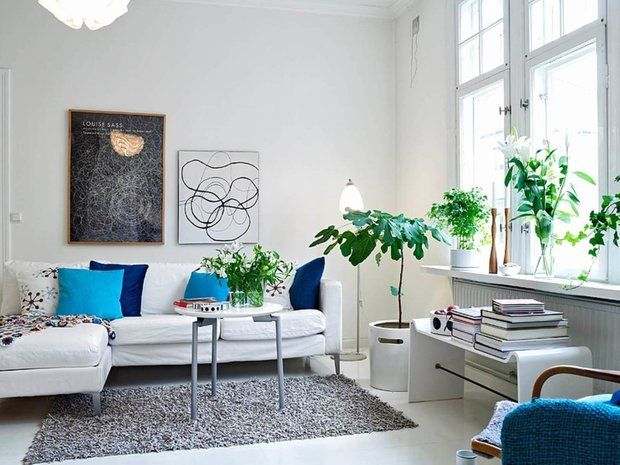
Product shape
Rugs in a modern living room interior, in line with the design concept, can have different configurations. From small rugs in round, oval, rectangular, and square shapes to fundamental flooring of similar configurations.
The round shape of the carpet is considered a decorative element of the living room rather than a practical one in terms of insulation and soundproofing. It predictably zones the space, emphasizes the chosen segment of the interior in terms of design, and has a calming psychological effect on people. A spacious living room allows you to cover the central part of the area with a round rug with a wide frame and a large pattern in the center. This option is common in classic Turkish carpet weaving.
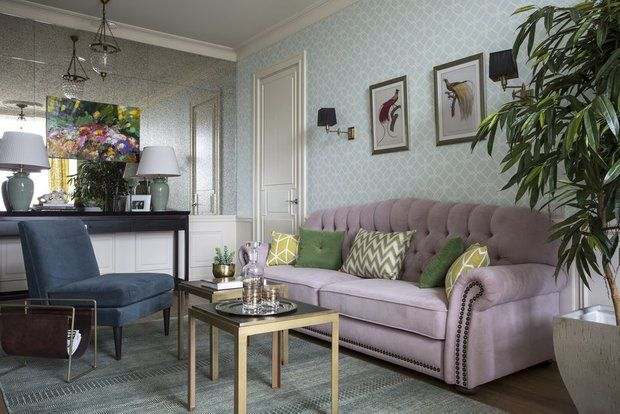
A round rug can be placed under furniture in your interior and looks stylish when combined with round clocks, mirrors, chandeliers, and lamps.
The photo shows a kitchen with white thread curtains complemented by thick lilac drapes.
Advantages.
Curtains are decorated with standard metal and plastic rings, tassels with lace and braid, or decorative hangers that are attached to the wall. These additional elements help to create a beautiful and original composition. The combination of red in the interior is a very important selection criterion. Depending on how and with what shades red is combined, you will get a cozy and warm or bold, invigorating, and extravagant interior. The decision is yours! The main tip is to not be afraid to experiment with textures and combinations, but keep things balanced. Let pistachio be the background color for walls or furniture, and bright accents will add the necessary contrast. And remember about lighting: in good light, this color reveals itself in all its beauty, making the kitchen truly lively and welcoming. Toning and stimulating effect on those present;
In addition to various tiebacks, the curtain can be tied in a knot, tied with colored ribbons, or simply woven in an interesting way. A floral ball made of textile materials will look unusual.
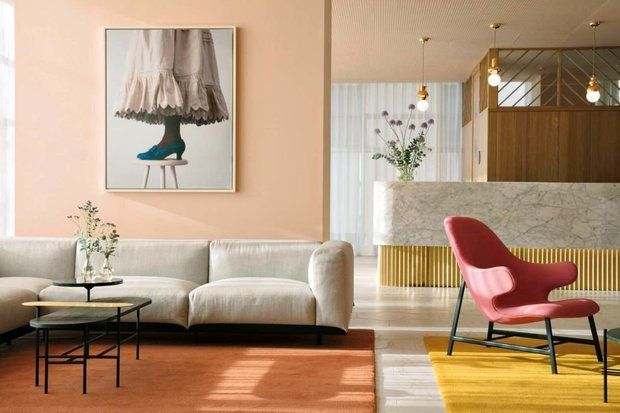
These include:
How to hang thread curtains beautifully?
Practical and functional blinds are the ideal solution for the kitchen. A thread curtain will help to soften the formality and severity of horizontal slats and bring a touch of homely comfort to the kitchen.
The modern style leads to abstraction: geometric shapes of regular form accentuated by color look attractive against a monochrome background. The accent shade can be repeated in the decor and color scheme of the furniture.
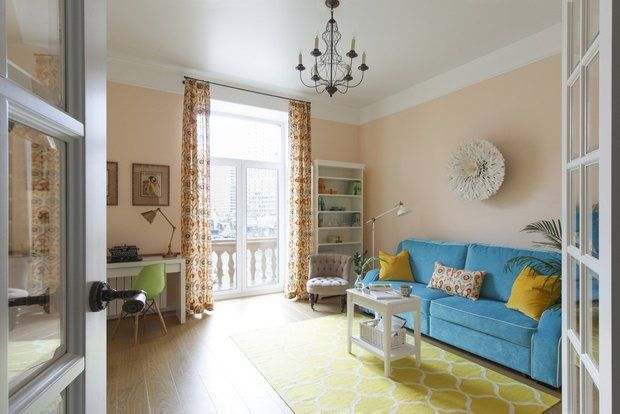
Rustic and eco-style, with country and Provence, tend towards pastel tones that visually evoke natural nature: light green, yellow, pink, beige, orange, and blue. Flowers and greenery in the design and pattern are a distinctive feature of this stylistic approach to interior design.
High-tech does not like fancy colors. Monotone colors and a visual “smoothness” of transition from glass with metallic surfaces to low-pile carpet will give a complete feeling of immersion in the chosen style.
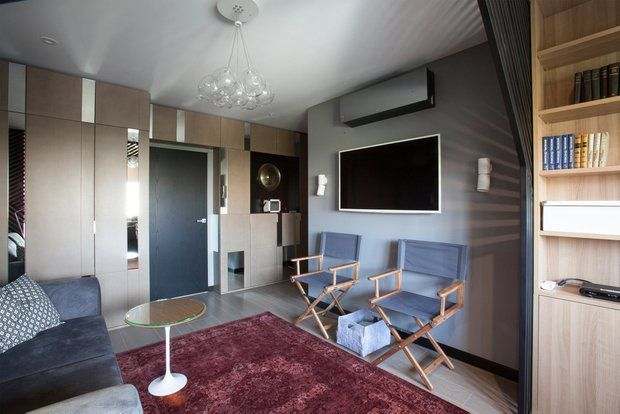
What pile length is suitable for the living room?
The pile length is chosen based on the criteria of active use of the living room in each specific case. The possibility of frequent cleaning and the desire to walk barefoot dictate the choice of a more “fluffy”, natural, and high-pile carpet surface. It is suitable for cozy rooms with a fireplace. Frequent gatherings and parties with guests call for practical carpets with short pile or lint-free options. For example, leather products. Imitation grass flooring will bring natural freshness to the rustic style and its surroundings.
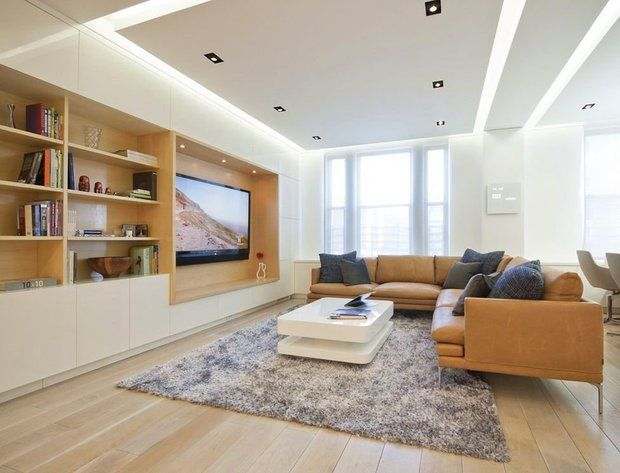
Features of choosing carpets in other rooms
Bedrooms tend to gravitate toward long-pile carpets in calm, sometimes monochromatic, color schemes. This creates additional coziness and comfort in the bedroom. Children's rooms “love” bright colors, cartoon motifs, and popular games. The hallway, which is a place of increased dirtiness, “prefers” easy-to-clean synthetic materials in carpet finishes.
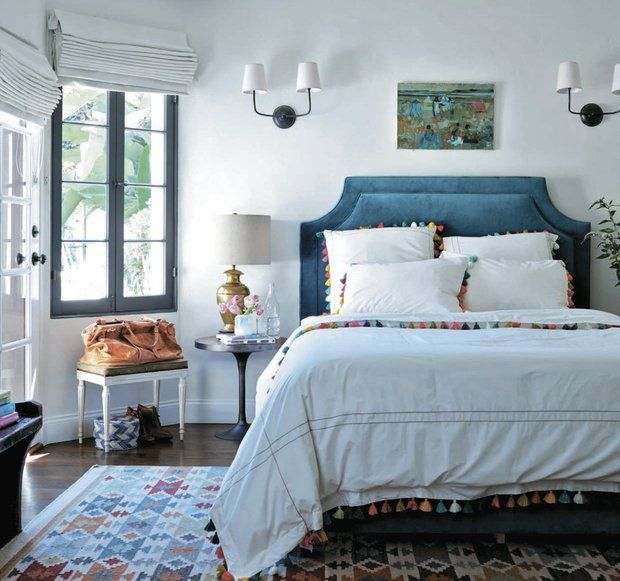
Recommendations from Emily Henderson
So, a carpet is far more than just a piece of fabric on the floor. It can completely transform a room, add accents, create a cozy atmosphere, and even visually change the geometry of the space. As you can see in the photos above, from classic to modern, it serves as the basis for creating a harmonious interior.
When choosing a rug for your living room, bedroom, or hallway, it is important to listen to your own feelings. You should like it, and it should fit in with the overall concept of the room. Don't be afraid to experiment with color, texture, and size.
The right carpet will make your home warmer, more comfortable, and more stylish. It is the finishing touch that brings the entire interior together into a single picture. May your choice bring you joy every day.


