
Selecting the appropriate materials for a home’s construction or renovation is essential for ensuring its longevity and affordability. Aerated concrete blocks, also known as AAC blocks, are becoming more and more well-liked due to their combination of strength and light weight. They are produced by adding air bubbles to the concrete mixture, which lowers weight and improves thermal insulation properties.
Aerated concrete blocks appeal to both homeowners and builders for a number of reasons. Because of their lightweight design, they are simpler to handle and transport, which speeds up construction and lowers labor costs. AAC blocks are just as strong as traditional concrete or clay bricks, with comparable structural stability despite their lower weight.
The thermal efficiency of AAC blocks is one of their best qualities. Over time, the insulating effect of the air bubbles trapped in the material helps to control indoor temperatures and lower heating and cooling costs. In areas with harsh weather, this energy-saving feature is especially alluring.
But just like any other building material, aerated concrete blocks have drawbacks that homeowners and builders need to take into account. Although they provide superior thermal insulation, their acoustic qualities might not be as good as those of denser materials like bricks or solid concrete. This may have an impact on soundproofing qualities, which are crucial for both residential and commercial buildings.
Homeowner and builder reviews offer insightful information about the usefulness of utilizing AAC blocks. Many emphasize how much faster construction is and how much easier it is to install than with traditional materials. But occasionally, worries surface about how easily they could be harmed by collisions or careless handling during installation.
To sum up, aerated concrete blocks are a cutting-edge method of building that combine strength and light weight in an efficient manner. They are attractive to homeowners trying to reduce energy use and builders trying to expedite projects. Making informed decisions when incorporating AAC blocks into building and renovation projects is ensured by having a clear understanding of both the benefits and limitations through objective assessments.
| Pros | Cons |
| 1. Lightweight, easy to handle. | 1. Initial higher cost compared to traditional bricks. |
| 2. Good thermal insulation properties. | 2. Susceptible to damage from impact. |
| 3. Fire resistant. | 3. Requires specific cutting tools. |
| 4. Soundproofing qualities. | 4. Limited load-bearing capacity. |
| 5. Resistant to pests and mold. | 5. Needs skilled installation for optimal results. |
- Advantages
- Flaws
- Is aerated block dangerous and harmful to health??
- Construction safety requirements
- Reviews about the application
- Useful video
- Video on the topic
- 4 tips for designing a smart home #smarthome
- What to save on? / Hierarchy of energy saving / Introduction to the course “designing for energy efficiency”
- In-person lecture for individual housing construction designers. March 22, 2026.
- Is it possible to believe the recommendations of manufacturers? (Reasoning)
- 11) Classification of aerated concrete by purpose. Humidity of aerated concrete.
Advantages
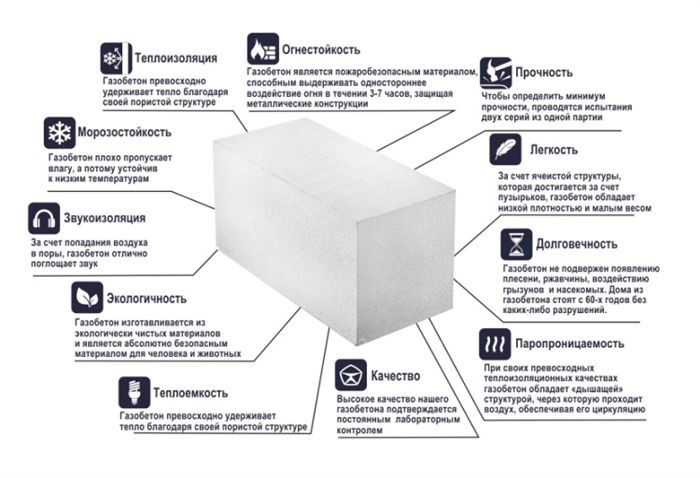
Aerated concrete is the material of choice for many Russians because it is perfect for low-rise building construction. Compared to other forms of cellular concrete, aerated concrete blocks offer numerous benefits.
- The first and often decisive advantage is the low cost of the material.
- Large blocks are light in weight, which makes laying easier, without the use of heavy equipment and lifting machines.
- Due to its large size, the house can be built very quickly (all sizes of aerated concrete products are described here).
- It is safe to live in a house made of aerated concrete, since the material is harmless – it is only one indicator behind wood in terms of environmental friendliness.
- The right brand of aerated blocks makes it possible to save on insulation, since the porous structure of the material retains heat well.
- Thanks to the good thermal insulation of the material, heating costs are saved, since heating a house in winter requires less energy resources.
- The material is easy to process; it is easy to cut out an arch or opening of any shape from it, using ordinary carpentry tools at hand.
- Aerated concrete blocks are non-flammable material and can withstand fire for a long time.
- Aerated concrete walls “breathe”, creating a favorable microclimate inside a residential building.
Flaws
Although aerated concrete has been used for decades as a dependable and tested building material, it is not without drawbacks.
- The material, despite its low density, is quite fragile, so you need to work with it very carefully and should not throw it.
- Due to the porous composition, it is difficult to hold fasteners. Only through the use of dowels and anchors can this problem be solved.
- It easily absorbs water, therefore, if the outer side of the wall has poor-quality cladding, the walls will become saturated with moisture and mold may appear. In addition, if moisture gets inside the blocks, then with temperature changes the material will collapse from the inside. Read more about the moisture resistance of aerated concrete blocks here.
- The price of aerated concrete is higher than the price of other types of cellular material.
- Ideally even geometric shapes of aerated concrete blocks are guaranteed to be available only from well-known manufacturers.
- Working with aerated blocks when constructing walls requires strict adherence to masonry technology.
- When constructing load-bearing structures, it is necessary to use reinforcement.
- Buildings made of aerated concrete cannot be built higher than 3 floors.
Is aerated block dangerous and harmful to health??
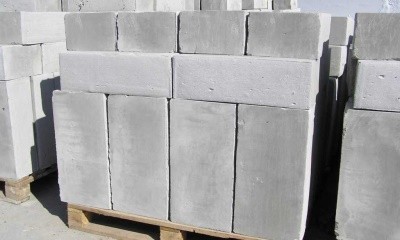
Information about the dangers of aerated concrete can occasionally be found. You must dismantle every part of this material in order to comprehend why and how a gas block is defective.
- Cement. This material is present in all types of concrete and in the form of solutions it does not pose any harm to health.
- Quartz sand. This natural material may contain some amount of radioactive substances, but its use in the production of any building material is under strict control, and the manufacturer must have safety certificates and sanitary and hygienic conclusions.
- Aluminum powder (or powder). The presence of this chemical in aerated concrete scares inexperienced people the most. Aluminum powder is responsible for the most important process – gas formation and bubble formation. The conditions created convert this chemical into hydrogen or aluminum oxide, which does not pose a health hazard. It should also be taken into account that the percentage of this substance is only 0.06-0.1% of the total composition. A certain amount of aluminum compounds are present in various building materials, including clay and brick.
- Lime. Thanks to this substance, potassium silicate is obtained during production.
- Ash and slag. These two substances are not always present in the mixture for aerated concrete, but they are sometimes used as fillers. They may contain heavy metals (cadmium, lead), therefore, when purchasing aerated concrete, ask the supplier for documents guaranteeing the safety of the product.
Aerated concrete needs to be manufactured from premium raw materials, so it should only be bought from reputable and well-known suppliers if you want to avoid health risks.
Construction safety requirements

Although there are no health risks associated with aerated concrete as a material, you still need to follow the guidelines when using it.
Workers must wear protective gear, such as respirators and goggles, to protect their eyes and lungs when sawing, sanding, and drilling aerated concrete blocks.
When concrete dust irritates the mucous membranes in the eyes, it can cause inflammation and blindness. Additionally, breathing in dust can aggravate bronchitis or asthma.
Aerated concrete, however, does not present a health risk to those who live in one.
Understanding Aerated Concrete Blocks: Exploring the Real Benefits and Drawbacks from Builders and Homeowners. This article delves into the practical aspects of aerated concrete blocks, providing an objective assessment of their advantages and disadvantages based on input from industry experts and residents. We want to give you a clear picture of whether or not aerated concrete blocks are a good option for your building or remodeling project by looking at both positive and negative experiences. This post seeks to empower your decision-making with candid insights and useful advice, whether you’re a homeowner searching for energy-efficient solutions or a builder seeking long-lasting, lightweight materials.
Reviews about the application
Testimonials from homeowners who constructed a home with aerated concrete differ greatly. Generally speaking, the following benefits are noteworthy:
- Low thermal conductivity when laying on glue, even without additional insulation.
- Saving on heating.
- No need to reinforce corners and between rows with wall thicknesses up to 40 cm.
- Fire resistance.
- The need for external finishing, t.To. the material is destroyed by external factors.
- The appearance of cracking in masonry when using mortar instead of glue.
- The need for insulation of certain brands of aerated concrete.
Check out this article for more details on the benefits and drawbacks of using aerated concrete in construction, as well as these reviews here and here.
Useful video
The benefits and drawbacks of aerated concrete
The lightweight and thermally insulating qualities of aerated concrete blocks have attracted a lot of interest in the construction sector. These blocks are well-liked by both builders and homeowners due to their ease of handling during construction and gradual reduction in energy costs.
The exceptional thermal efficiency of aerated concrete blocks is one of its main benefits. These blocks’ porous structure traps air, acting as insulation to help control indoor temperature. This feature not only keeps temperatures consistent throughout the year, which improves comfort, but it also minimizes the need for excessive heating or cooling, which lowers energy costs.
Builders frequently emphasize how simple it is to work with blocks of aerated concrete. Compared to conventional concrete or clay bricks, they are simpler to handle, transport, and cut due to their lightweight nature. This feature not only expedites the building process but also lowers labor expenses related to on-site heavy lifting and material cutting.
Aerated concrete blocks do have some drawbacks despite their benefits. Their load-bearing capacity is one frequent source of worry. Even though these blocks are appropriate for a wide range of construction uses, builders must carefully evaluate the structural requirements to make sure these blocks can support the intended loads without sacrificing longevity or safety.
Homeowner reviews of aerated concrete blocks typically show satisfaction with the material, especially with regard to its overall durability and insulation capabilities. Numerous individuals value the energy-efficient and cozy living space that these blocks offer, as they reduce utility costs and improve living circumstances.
To sum up, aerated concrete blocks present a strong choice for contractors and homeowners looking for effective, affordable building solutions. They are an excellent option for a variety of construction projects because of their advantages in thermal insulation, lightweight design, and favorable homeowner reviews. To maximize their effectiveness in construction, load-bearing requirements must be carefully considered. Aerated concrete blocks will probably continue to be the material of choice for contemporary building techniques as long as the construction sector prioritizes sustainability and energy efficiency.


