
An essential step in keeping your home warm and energy-efficient is insulating foam-block walls from the inside. Because of their superior thermal insulation qualities, foam blocks are a common material used in construction; however, in the absence of adequate interior insulation, you may still experience heat loss and increased energy costs.
Achieving the best results requires selecting the appropriate materials and using the appropriate process technology. Every detail counts, from choosing the appropriate insulation type to comprehending the installation procedures. This tutorial will walk you through the steps involved in properly insulating your foam block walls from the inside, as well as the materials you’ll need.
Everything will be covered, including wall preparation, insulation selection, and last-minute finishing touches. This post will give you the information you need to make sure the job is done correctly, whether you’re a do-it-yourself enthusiast or want to supervise a contractor’s work. Together, we can improve the comfort and energy efficiency of your house!
When thermal insulation is needed?
Manufacturers of pentlocks frequently assert that these kinds of walls don’t require extra insulation. One may disagree or agree with such a statement, depending on the neighborhood where the house is located.
Any building in the central regions of Russia, whether it be the north or the west, will undoubtedly require insulation. Even with the relatively thick stone layer surrounding the walls, if winter is particularly harsh, these walls are still vulnerable to blowing.
The likelihood is that the house won’t need insulation if it was constructed in a southern region of the nation. You can use a material with a thin thickness if the room’s owner still wants to insulate it from the inside.
Other factors that affect the decision to install insulation include:
- the type of stone that was used in construction;
- masonry joint thickness;
- fastening material for foam blocks.
In the event that polymer foam was utilized, insulation is required. Finishing work must include insulation if the block width is less than 300 mm and stone grade D500 or higher was used during construction.
In what case is it not necessary??
There are instances where it would be useless to insulate foam block walls from the inside. This kind of building stone was created to effectively conserve heat in buildings and is light in weight.
It is impossible to avoid using insulating materials if the house is in a northern region of the nation with severe winters and a frigid climate. There is no use in spending money on wall insulation if the house is in a southern climate. It is preferable in this situation to just use any kind of interior decoration.
If there is no insulation, the foam block walls won’t bear as much weight as they would if there is thermal insulation, which calls for the installation of a frame.
Refusing insulation is preferable if there is a risk of severe condensation from temperature fluctuations and no wall ventilation system. This action will raise the possibility of mold and fungus growing on the finish and will cause rodents to appear in the insulation.
How can you insulate?
The majority of builders advise insulating walls from the inside using the following materials:
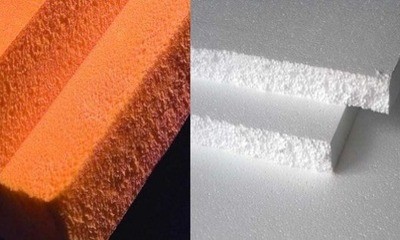
- Cork. The material can be both insulation and finishing coating, as it has excellent decorative properties. Sold in large rolls or square sheets. Before installation, the walls must be leveled, plastered and puttied. The disadvantage of this material is its cost.
- Penofol. Sold in slabs, one side of which consists of foil. This material allows you to retain up to 95% of the heat indoors from foam blocks. Due to the constituent components, heat does not escape outside, but remains inside the building. Penofol is mounted tightly next to each other, and the joints are taped with reinforced tape. After this, you can begin finishing work.
- Polyurethane foam. Apply using a special remote control operating under compressor pressure. The raw materials allow not only to insulate the walls from the inside, but also to additionally seal the cracks that appeared during the laying, as well as eliminate cold bridges.
- Foam plastic or penoplex. They have smooth edges and standard dimensions. Placed joint-to-joint or overlapping each other. Sheets are laid on glue, while the surface of the wall must be perfectly flat.
You’ll also need the following instruments to install the insulation on the list:
- buckets;
- drill;
- screwdriver for fixing sheet material with self-tapping screws;
- knife;
- hammer;
- roulette;
- building level.
Adhesive compositions designed for a particular kind of insulation must be prepared.
Additionally, you’ll need:
- plaster mixture;
- putty;
- small and wide spatula;
- grinding machine for leveling the surface;
- antiseptic impregnation – it is necessary to prevent the appearance of mold and mildew on the wall between the insulating material.
For your article on "Proper insulation of walls from foam blocks from the inside," the following is your main thesis statement: In our guide to foam block wall insulation from the inside, we go over the necessary supplies and methods to improve comfort and energy efficiency in your house. Find helpful hints and detailed instructions to guarantee a successful insulation process that lowers heating costs and keeps your space comfortable.
Process technology
The most widely used materials for expanding polystyrene, penoplex, and polystyrene foam are those that insulate walls from the inside. They are readily installed on the surface of foam concrete masonry and are available for purchase in sheets or slabs. Polystyrene foam needs to have a label clearly stating that it is intended for interior use.
It is advised to follow the technology to prevent errors:
- Pre-preparation. The walls must be cleaned and treated from fungus and mold. If they have already appeared, then you need to use special solutions to remove them. The foam concrete wall must be level, otherwise there will be a gap between the insulation sheets, causing the dew point to shift.
- Preparatory stage. The wall is treated with a primer, after which a thin protective film is formed. It also increases the adhesion of the adhesive mixture to the foam block. Then wait for the wall to dry and apply markings. Lines are drawn as close to the floor as possible. If there are places in the markings that do not correspond to the foam sheets, they are sealed with scraps of material.
- Main stage. An adhesive solution is applied to the foam sheet – along the perimeter in broken lines, as well as “bloopers” in the center of the sheet. Polystyrene foam is applied to the wall and pressed. A hole is drilled in the center for a dowel, it is inserted and the sheet is additionally fixed.
Just apply slight pressure for a few seconds on the foam sheet; there’s no need to press it down firmly. The umbrella dowel’s head ought to slightly press into the foam.
Difficulties and errors

Difficulties and mistakes can occur when insulating foam concrete walls, particularly if you’re doing the work alone for the first time.
For instance, there’s a good chance that cracks will appear between insulation sheets: It’s crucial to make the markings beforehand and adhere to them in order to avoid this problem.
Uneven material cutting is another challenge. A sharp construction knife is advised for accurately cutting insulation sheets. It’s best to prepare ahead of time and buy a pack of replacement blades.
Unskilled artisans are attempting to use polyurethane foam to seal gaps wider than 10 mm. Since polyurethane foam is only used for small joints, this cannot be accomplished. If the joint thickness is greater than 10 mm, foam is blown in after scraps have been inserted, if needed.
Not using putty to cover the dowel caps is another error. It’s best to cover the caps right away to avoid having to wait a long time for the mixture to dry out before doing any more finishing work.
Consequences
The following outcomes will occur if you do not adhere to the technology for adding insulation to foam concrete walls:
- destruction of walls due to temperature changes;
- shift in the dew point;
- condensation on the walls between the insulation;
- appearance of cold bridges;
- appearance of rodents.
Errors will prevent the insulation from serving its purpose. All of the work will need to be redone after the insulating layer is completely removed. If you see layers of mold or mildew on the wall, you can easily remove them with sandpaper and then treat the area with an antiseptic.
It is not necessary to add a fresh layer of thermal insulation to the foam concrete walls right away; instead, you should allow the walls to remain "bare" for a while to avoid making the same mistakes by shifting the dew point.
Foam block insulation of the inside of walls is a workable way to increase thermal comfort and energy efficiency in your house. Your living area can be kept more comfortable all year round by properly insulating these walls, which will also keep the interior cooler in the summer and lessen heat loss in the winter.
Picking the appropriate materials is the first step in the process. Mineral wool or rigid foam boards are two materials that are frequently used for the interior insulation of foam block walls. Even for do-it-yourself projects, these materials are reasonably easy to install and have good thermal insulation qualities. Make sure the materials you’ve selected have the right thermal resistance (R-value) for the climate zone in which you live.
It’s important to properly prepare the walls before installation. This include cleaning the surface to get rid of any dust or debris that might interfere with adhesion and taking care of any moisture problems to stop the growth of mold or mildew behind the insulation. An insulating solution that is more effective and long-lasting is guaranteed by careful preparation.
The performance of the insulation can be greatly impacted by air leakage, so be careful to seal joints and gaps when installing the insulation. To firmly attach the materials to the walls, use mechanical fasteners or adhesives that work well together, as advised by the insulation manufacturer. Over time, this procedure aids in preserving the insulation’s integrity.
Consider using appropriate materials, like drywall or paneling, to finish the interior wall surface after the insulation has been installed. In addition to improving the room’s overall appearance, this gives the insulation more protection and aesthetic appeal.
An investment well spent, properly installed foam block wall insulation can save energy and improve comfort levels in your house. You can improve the thermal performance of your walls and make your home a more sustainable place for you and your family to live by using the right techniques and materials.


