
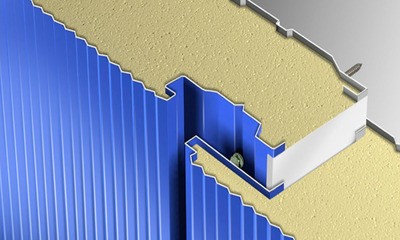
In the world of construction, sandwich panel houses are becoming more and more common. These panels are composed of two layers of structural material, such as metal or plywood, encased in an insulating core material, typically foam or polystyrene. The best benefit is that they have superior thermal insulation qualities. As a result, houses stay warmer in the winter and colder in the summer, possibly lowering energy costs.
The construction’s rapidity is another alluring feature. Sandwich panels are assembled on-site more quickly than with traditional building techniques because they are prefabricated off-site. By doing this, the entire construction process may be greatly shortened, enabling homeowners to move in sooner.
Another important consideration is cost-effectiveness. Compared to conventional building materials like bricks and mortar, sandwich panels are typically less expensive. Because the panels are long-lasting and require little maintenance over time, this affordability also applies to maintenance expenses.
But there are disadvantages to take into account. Sandwich panels, according to some detractors, might not provide the same structural integrity as conventional materials. Concerns regarding long-term durability may arise, particularly in severe weather circumstances, depending on the caliber of installation and the particular type of panel.
In addition, there might be fewer aesthetic options available in comparison to conventional building materials. Although panels are available in a variety of finishes, creating a distinctive architectural style may be more difficult.
The opinions of homeowners who have selected sandwich panels differ despite these factors. While some value the energy and cost savings, others place more importance on the speed of construction. Experiences from the real world demonstrate the advantages as well as possible drawbacks of choosing sandwich panels for residential building.
| Pros | Cons |
| 1. **Energy Efficiency**: Sandwich panels offer excellent insulation, reducing energy costs. | 1. **Initial Cost**: Upfront expenses can be higher compared to traditional materials. |
| 2. **Quick Installation**: Panels are prefabricated off-site, speeding up construction time. | 2. **Durability Concerns**: Long-term performance may vary based on quality and maintenance. |
| 3. **Design Flexibility**: Versatile for various architectural styles and shapes. | 3. **Repair Challenges**: Damaged panels may require specialized repair techniques. |
| 4. **Environmental Impact**: Often considered more sustainable due to efficient use of materials. | 4. **Perception and Aesthetics**: Some prefer traditional building materials for aesthetic reasons. |
- pros
- Minuses
- Reviews
- Residents and owners
- Builders
- Video on the topic
- House from Sentwitch Panels Review
- We disassemble the house from the CSP SIP panels.
- Why did we put a cross on Sip-Dom? 9 reasons are not to build from SIP panels #Construction #construction
- The whole truth about houses from SIP panels, pros and cons – all honestly!!!
pros
Advantages of using sandwich panels for walls:
- Affordable price. To build a house from sandwich panels you will not have to invest colossal sums, as, for example, when building from brick.
- Light weight. The panels are easy to transport and install. The light weight of the walls allows you to avoid pouring a massive foundation.
- High speed of construction. You can assemble a house according to ready-made drawings in a few days.
- High level of sound insulation. It will always be quiet inside the house, but for this you need to take care of quality windows and doors.
- Saving on heating. Sandwich panels are warm, so they are used for construction even in the northern regions of Russia. The main thing is to achieve the tightness of the building.
- Fire safety. If you choose panels filled with mineral wool or expanded polystyrene, you don’t have to worry about them catching fire. Cotton wool does not burn at all, and polystyrene is impregnated with special compounds that extinguish the fire 2-3 seconds after contact with the flame.
- Hygiene. Even with high humidity in the room, mold will not appear in the panels and fungus will not multiply.
- Environmental Safety. Sandwich panels are not made from natural materials, but conscientious manufacturers use only high-quality raw materials for their production. Therefore, living in such houses is safe for health.
- Durability. There is an opinion that sandwich panels quickly collapse, but in fact, if you buy high-quality building material, it will last at least two decades.
- Strength. According to this indicator, buildings made of sandwich panels are not inferior to block structures. The material can be used for the construction of load-bearing walls, ceilings and partitions, as well as for roof installation.
- Increasing living space due to thin walls. When building from blocks, bricks or wood, the walls will be much wider.
- No dependence on weather conditions. You can build a house both in summer and winter.
- No shrinkage. This allows you to start repair work immediately after the construction of the house.
Sandwich panel frame houses have the unquestionable benefit of being able to be disassembled, moved, and then reassembled.
People’s experiences indicate that there are benefits and drawbacks to building a home with sandwich panels. In comparison to conventional methods, these panels offer superior thermal efficiency and faster construction times because they are made of an insulating layer sandwiched between two sheets of metal or composite material. The energy savings and cost-effectiveness they provide are valued by many homeowners. But questions have been raised concerning how well-suited they are for harsh climates and how little customization they provide in comparison to more conventional building materials. User reviews draw attention to these trade-offs, so it’s important for potential builders to carefully consider these factors before deciding to use sandwich panels in their construction projects.
Minuses
Sandwich panels’ drawbacks in relation to walls are as follows:
- Short service life. In this parameter, even the highest quality sandwich panels are inferior to brick and wood. In order for it to last as long as possible, major repairs will have to be carried out at least once every 20 years. However, the short service life of the panels is offset by their affordable cost.
- The need to install forced ventilation. The panels themselves practically do not “breathe”. To avoid the accumulation of condensation and dampness of the walls, you need to take care of high-quality ventilation.
- A large number of counterfeits. There are a lot of underground workshops for the production of panels. They offer to purchase their products at an attractive price, assuring that their material meets the requirements of GOST. However, too low a cost should be alarming. Walls made from such low-quality panels will quickly deteriorate. In addition, being in such rooms is simply dangerous, since toxic formaldehyde resins can be used in the manufacture of wood boards.
- The need to perform high -quality sealing and decoration. If the connections are leaky, in winter the house will freeze. The absence of decoration negatively affects the life of the building.
- Architectural simplicity. Panels do not allow to bring complex design ideas to life. Although the use of panoramic windows, decorative cornices and other modern building materials gives the house a completely presentable appearance.
The panels’ strength is not as good as that of the indicator brick and reinforced concrete. Therefore, the walls get deformed when struck hard.
Reviews
People have different things to say about houses made of sandwich panels. While some locals are completely happy with their selection, others think that this type of building material is inappropriate for use in residential construction. Professional developers also amounted to his assessment of him.
Residents and owners
Sandwich panel homes have generally been well received by their owners. They are happy with the final product’s reasonable cost and the quickness of its construction. People observe how comfortable it is to live in such homes. They are cool in the summer and warm in the winter.
The primary drawback is that the walls’ inadequate vapor permeability, which raises the ventilation requirements. Another thing that annoys people is the requirement to plasterboard over the walls before screwing in bolts.
You can read reviews here and here.
Builders

Sandwich panel homes are being built quickly, according to builders. They allow for the quickest possible project completion because they do not necessitate the installation of a complicated foundation.
The work can be done at any time of the year, according to the developers. They think that alarmist claims regarding the risks associated with the panels are way overblown.
Living in one of these homes is just as safe for your health as living in a room with regular insulation.
You can read builders’ opinions about the material here and here.
Using sandwich panels to build a home has many clear benefits. Since these panels can be rapidly assembled on-site, many homeowners value how quickly they can be constructed. In addition to saving labor costs, this quick installation lessens the inconvenience of protracted construction, enabling families to move into their new homes sooner.
Additionally, sandwich panels offer superior thermal insulation, which contributes to year-round comfortable interior temperatures. Over time, this can result in significant energy savings because less heating and cooling will be needed to maintain a comfortable interior temperature—even during severe weather.
However, sandwich panels have disadvantages just like any other building material. Concerns have been raised by some homeowners regarding the robustness and longevity of these panels in comparison to more conventional building materials like concrete or brick. Even though technological advancements have increased their durability, regular maintenance and inspections are still necessary to make sure they stand the test of time.
The aesthetic appeal is another thing to think about. Even though sandwich panels come in a variety of colors and textures, some homeowners think that traditional materials have a more timeless appearance for their homes. Many people’s decisions when choosing construction materials are influenced by their personal preference for visual harmony with surrounding buildings or landscapes.
The general consensus among homeowners who have chosen sandwich panel construction is favorable, notwithstanding these factors. Many value the affordability, energy efficiency, and contemporary design options that these panels provide, which makes them a good option for individuals aiming to construct or remodel with efficiency and creativity in mind.


