
Mineral wool insulation of brick walls is a popular option for increasing building thermal comfort and energy efficiency. Using this technique, insulation made of mineral wool is applied to the interior or external surfaces of brick walls. Depending on variables like climate, building design, and insulation objectives, each strategy has unique benefits and considerations.
Underneath the finishing layers of a brick wall, a layer of mineral wool boards or blankets is applied as external insulation. By preventing thermal bridges and decreasing heat loss through the walls, this technique produces a continuous thermal barrier. By giving the building’s facade a new, consistent finish, it can also improve the building’s aesthetic appeal. To preserve air and moisture barriers, exterior insulation must be meticulously detailed around windows, doors, and other openings.
However, installing mineral wool between the interior wall surface and the room’s interior finish is what constitutes internal insulation. This method makes building envelope maintenance easier and causes less disruption during installation. It can lessen drafts and cold spots, which will increase interior thermal comfort. Internal insulation, however, slightly decreases interior floor space and may necessitate modifying baseboards, outlets, and other fixtures.
Both approaches have advantages in terms of comfort and energy savings, but they also have unique drawbacks. Moisture management and detailing must be carefully considered when installing external insulation, which can be more complicated and expensive. While internal insulation may seem easier, it still needs to be carefully planned in order to prevent moisture buildup and guarantee proper air sealing.
In conclusion, a number of factors, such as building design, budget, and climate, influence the decision between internal and external insulation for brick walls. When properly applied, both strategies can greatly enhance a building’s energy efficiency and comfort, benefiting residents in the long run and having a smaller negative impact on the environment.
- Types of mineral plates for thermal protection
- Glass wool
- Basalt
- URSA insulation
- Stone
- Slag
- Calculation of the amount of heat insulator
- Materials and tools for work
- From the street
- In room
- How to properly insulate?
- External thermal insulation
- Internal
- Possible difficulties and errors during the installation process
- Advantages and disadvantages of application
- Costs of raw materials and services
- Video on the topic
- NEVER INSULATE YOUR WALLS WITHOUT WATCHING THIS VIDEO
Types of mineral plates for thermal protection
The market for building materials today can provide the consumer with a wide range of heat-resistant materials, all of which can effectively address the issue of maintaining thermal energy inside the home.
When making a construction material purchase, consider several key features:
- The thermal conductivity coefficient should be as high as possible.
- Water absorption should be as low as possible.
- The density of the material affects the overall weight of the structure.
- Flammability is selected not lower than class G4.
- The service life should not be less than 25 years.
- Vapor permeability should be as high as possible.
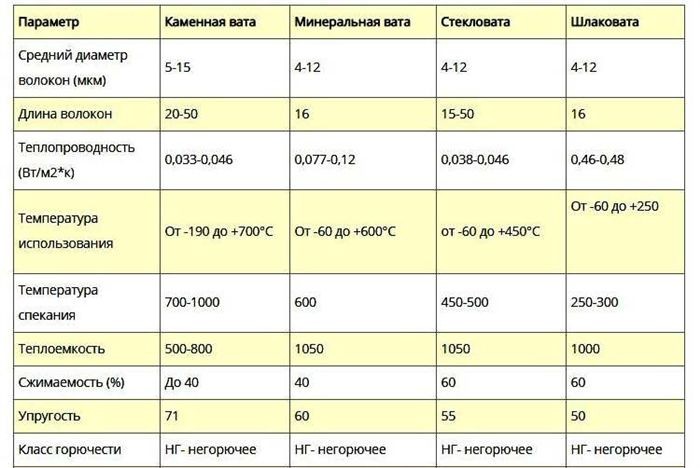
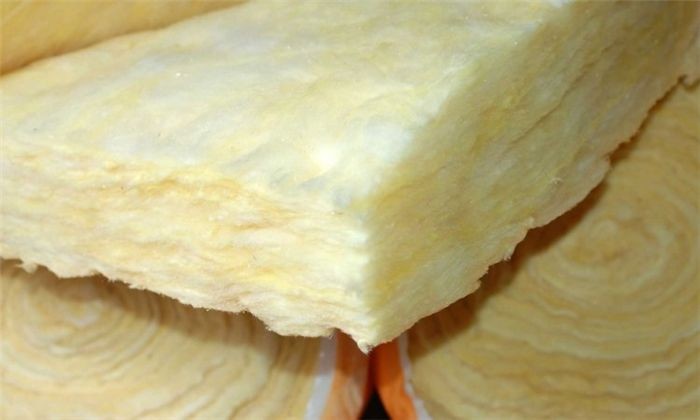
Glass wool
One of the most widely used thermal insulators available today is this microfiber material, which falls under the mineral wool class. It is offered for sale as mats and rolls. Glass wool needs to be 150 mm thick in order to provide brick walls with dependable thermal insulation.
Among glass wool’s benefits are:
- increased noise protection;
- low density and light weight of the protective structure;
- easy installation work;
- elasticity and bendability;
- low cost of work;
- compact packaging during transportation;
- resistance to biological contamination and damage by rodents.
The soft structure of the material with low load-bearing capacity, the instability of the slabs in a humid environment, and the strict safety regulations during work are the drawbacks.
Basalt
Basalt wool has earned its reputation as one of the most popular heat insulators available for residential construction. The molten rock fibers from the gabbro and basalt groups make up the structure of the thermal insulator.
This insulation has the following benefits:
- High material density up to 150 kg/m3.
- Easy installation.
- Low thermal conductivity 0.032 W/m*K.
- Low moisture permeability no higher than 2%.
- Good vapor permeability 0.30 mg/(m*h*Pa).
- Highest fire resistance.
- High noise insulation.
- Low indicators of biological and chemical activity.
The primary drawbacks of basalt slabs are their high cost and the need for extreme caution when performing heat protection work; additionally, enhanced protection in the form of a unique waterproofing layer is necessary for external installation.

URSA insulation
This mineral wool insulation is made by the well-known German brand Ursa Geo. An all-purpose substance that is ideal for providing insulation to any residential building’s surface.
The Ursa isolator’s benefit
- non-flammable material;
- high heat-protective and noise-insulating properties;
- safe for the environment;
- moisture resistant and bioresistant;
- reinforced fibrous structure;
- low thermal conductivity 0.033 W/m*K;
- wide permissible temperature from -60 to +220 C.
One of the product’s only drawbacks is its relatively high price.

Stone
It is created by melting volcanic rock and splitting it into fibers. Drawing, blowing, and windrowing are done using centrifugal/spinneret processes. The resultant material becomes loose, so phenol-formaldehyde adhesive is used to fix it.
Although stone wool comes in a variety of densities, hard mats with a density of 176 kg/m3 and a thermal conductivity of 0.045 W/m*S are required for brick walls.
Benefits of use
- A light weight.
- Highest insulation performance.
- Heat resistance, therefore not afraid of temperature changes.
- Under any climatic conditions, it maintains its original shape and retains its own characteristics.
- Non-flammable material.
- Good vapor permeability – 0.56 mg/m*h*Pa.
Due to its impregnation with resins, this type of insulation has low environmental safety parameters and is highly susceptible to rodent damage. As a result, installation work must be done while wearing protective clothing and a respirator.

Slag
Slags that are created during the blast furnace process are used to make this insulation. The fibers used for thermal insulation have a thickness of 12 microns and a length of about 15 mm. They are pressed with a binder to form slabs.
The primary advantages of slag fiber are as follows:
- versatility, which allows its use for different types of surfaces;
- long period of operation over 50 years;
- high noise and heat insulation properties;
- low purchase cost of insulation;
- easy installation.
Low moisture resistance is one of the drawbacks of heat-protective materials; when water comes into contact with the material, it forms acids that speed up the rate at which metal surfaces corrode.
Furthermore, blast furnace slag, which is used to make insulation, frequently does not adhere to radiation and environmental safety regulations. Slag fiber’s limited range of applications stems from its inability to withstand temperature fluctuations.

Calculation of the amount of heat insulator
First, the surface area of the brick walls is calculated. Use the perimeter and area formulas as a foundation to accomplish this. The surfaces of the window and door openings are deducted from the final result.
For instance, the area of standard windows is 4 units with a height of 1.35 m and a width of 1.20 m will be: 4×1.35×1.20= 6.48 m for a house with plan dimensions of 10 x 10 m, wall perimeter of 40 m, and height of 3 m. A typical doorway measures 2 x 2.0 x 0.9 = 3.6 m in area. Area total of insulation: 40 x 3-3.6 – 6.48 = 109.92 m^2. When mineral wool is 100 mm thick, its volume is 110 x 0.1 = 11 m^3.
Materials and tools for work
The list of supplies and equipment needed to install a home insulation system will vary depending on whether the work is internal or external, the kind of finishing work to be done, and the slabs that will be used. This is mostly because of the moisture protection device that is external.
From the street
Experts believe it makes sense to apply the "wet facade" technique—which involves fixing insulating boards with an adhesive solution, fastening them with dowels, and shielding them from moisture with decorative brick or plaster—when implementing thermal protection on the exterior of a brick building.
In order to carry out this kind of work, the master needs:

- mineral wool with a thickness of 100 mm;
- adhesive solution compatible with mineral wool;
- fiberglass reinforcing mesh;
- metal cornice on the base;
- vapor barrier membrane;
- wind protection and external waterproofing;
- cladding material with hydrophobic properties;
- drill;
- electric screwdriver.
In room
Such insulation is rarely used and may be the result of problems with the home’s functioning. Thermal protection must be done by an expert if the cottage is to be warm in the winter and cool in the summer. You must get ready the following supplies and equipment:
- mineral wool 100 mm thick;
- glue compatible with mineral wool;
- vapor barrier membrane;
- wooden slats for making vertical lathing for laying insulation and counter lathing for external cladding;
- fasteners;
- Chipboard or drywall;
- screwdriver.
The following is a thesis statement for your paper on using mineral wool to insulate brick walls: This article examines the benefits and drawbacks of applying mineral wool insulation to brick walls from the outside and the inside. We explore the advantages—such as improved thermal efficiency and sound insulation—as well as the possible disadvantages, such as difficult moisture management and complicated installation. Through a detailed analysis of the procedure for both internal and external uses, along with necessary preparation, materials, and helpful hints, readers will acquire a thorough grasp of the efficiency and applicability of this insulation technique in a range of construction contexts.
How to properly insulate?
There aren’t many intricate steps in the insulation process itself. The majority of slabs are installed in a manner that is comparable. For instance, there are small differences when working internally and externally, and whether to lay in a frame or on glue. Preparatory work, slab installation, insulating coating, and external finishing make up the entire process.
External thermal insulation
There are two installation methods for thermal protection outside the house: glue and a wooden frame.
Walls of a brick home protected from heat by adhesive mortar:

- Walls are being prepared for laying slabs.
- Along the perimeter of the house, a contour for fixing the starting bar is marked with a laser level.
- Metal profile for supporting the 1st row of insulation boards, secured with dowels.
- The walls are primed to increase the quality of adhesion.
- An adhesive composition is being prepared to fix the insulation.
- The adhesive is applied uniformly over the entire slab.
- The plate is carefully pressed against the wall.
- The plate is secured with dowels.
- Why are prefabricated holes drilled through it and fungi hammered into them, partially drowning the cap into the insulation to prevent the formation of lumps?.
- 5 dowels are installed on one standard plate.
- After securing the 1st row, the second is made offset by 1/2 sheet, and then installed in a checkerboard pattern.
- Reinforce the surface of the insulation.
- The mats are covered with decorative plaster and painted.
If irregularities are discovered at the slab joints when insulating walls with mineral wool, they will need to be removed using graters designed specifically for this kind of heat insulator.
Sheathing, which can be made of metal or wood, is created using the frame method. To ensure that the mineral products fit snugly into the sheathing, the design pitch was selected to be 20 mm smaller than the products. Waterproofing and face material are installed after the slabs are fixed.
The following video demonstrates the technological procedure for using mineral wool to insulate a brick wall from the outside:
Internal
It is imperative to execute interior work in a way that keeps moisture out of the mineral material. Consequently, a vapor barrier film is pre-affixed to the room’s wall, overlapping on the walls, floor, and ceiling. In this instance, construction tape has been applied with caution to every joint.
The algorithm used to install mineral slabs in a brick home:
- Install the sheathing vertically with a step that will allow you to lay insulation boards without bending;
- the slabs are placed in the resulting cells;
- a vapor barrier is strengthened on top with hermetically sealed joints;
- fill the counter-lattice to fix the cladding material.
In the video, there are some tips for using mineral wool to insulate a brick wall from the inside.
Possible difficulties and errors during the installation process
Modern thermal insulation boards are actually made so easily that even inexperienced craftsmen can install them themselves.
Finding a practical solution to preserve thermal energy in the home during the winter and maintain appropriate temperatures during the summer is the challenge. You must select the appropriate thermal protection system in order to achieve this.
Since it’s a costly project, it’s best to bring in experts before installing. They can use tools to determine the actual amount of heat loss in the cottage and choose a protection strategy that includes slab type and thickness, installation, and finishing techniques.
If this isn’t done, installing thermal protection might not work as intended and might even be harmful if the dew point is moved and moisture starts destroying the house’s foundation and walls.
Advantages and disadvantages of application
The mineral wool class of thermal insulators has several benefits because they are typically made from natural rock raw materials.

- Fire-resistant material, capable of melting at 1000 C no earlier than after 2 hours.
- High vapor permeability.
- Good sound insulation characteristics, which are provided by the fibrous structure of the material.
- Chemical resistance to a wide range of chemicals.
The following are some drawbacks of using this kind of insulation for brick walls:
- the large specific gravity makes the structure heavy; 1 m2 of such protection weighs 30 kg more than the foam system;
- insufficient rigidity and strength of the insulation;
- the cost of such thermal insulation is almost 2.5 times higher than that of polystyrene foam boards;
- increased protection of performers from the harmful effects of mineral wool is required;
- high labor costs, 20% higher than expanded polystyrene.
Costs of raw materials and services
The size and cost of the slabs affect the material costs, which are based on the insulation area. The heat insulator will have a volume of 11 m3 and a total insulation area of 109.9 m2 with a slab layer thickness of 0.1 m.
Since most insulation is sold in square meters, you can calculate the total cost of buying slabs by knowing how much it will cost.
- Basalt wool, 1500 rub/m3, total 16500 rub.
- Mineral wool, 1070 rub./ m3, only 11,770 rub.
- TechnoNIKOL basalt wool, RUB 2,270./ m3, only 24970 rub.
- Glass wool Isover Warm House, 1250 RUR./ m3, only 13,740 rub.
- Stone wool Mat Heatroll, 1280 RUR./ m3, only 14080 rub.
- Slag wool, 860 rub./ m3, only 9640 rub.
- Ursa GEO Facade, 975 RUR./ m3, only 10725 rub.
The type of materials used, the height of the house, the transport interchange in the construction area, the finishing technique, the surface’s technical condition, and the time of year all affect how much thermal insulation work costs for a brick home.
Average costs by Russian regions for brick wall thermal insulation:
- thermal insulation with mineral wool on glue, 360 RUR./m2;
- fiberglass reinforcement and glue treatment, 410 RUR./m2;
- primer work, 60 rub./m2;
- performing decorative plaster, 380 rubles./m2;
- thermal insulation with mineral wool on a wooden frame, 870 rub./m2.
Check out this section to learn how and what can be used to insulate brick walls from the inside as well as the outside.
For homes looking to increase comfort and energy efficiency, there are a number of advantages and things to consider when it comes to insulating brick walls with mineral wool, both internally and externally. Improved thermal performance is one of the main benefits. Heat transmission through brick walls is greatly decreased by adding mineral wool insulation on both sides. This lessens the need for excessive heating in the winter and cooling in the summer by preserving a more consistent indoor temperature throughout the year.
An additional benefit is enhanced sound absorption. Because of its dense structure, mineral wool effectively reduces noise transmission both from the outside environment and between rooms. This can result in a more peaceful and cozy living environment, particularly in cities or houses close to busy streets.
Furthermore, using mineral wool to insulate a brick wall on both sides can help reduce moisture problems. This insulation technique stops mold and mildew from growing inside walls by forming a barrier against moisture infiltration from both outside weather and interior humidity. This is essential for preserving the quality of the air indoors and safeguarding the building’s structural integrity over time.
There are a few things to bear in mind, though. The installation’s complexity is one possible downside. It takes meticulous planning and expert labor to apply insulation to a brick wall’s interior and exterior. Addressing windows, doors, and other architectural penetrations is part of the process to guarantee a continuous thermal envelope free from thermal bridging.
The effect on interior space is another thing to think about. The usable floor area may be slightly reduced by adding insulation to the interior side of the wall, which could be problematic in smaller rooms or areas where every square foot matters. It’s critical to consider the potential effects on room dimensions and layout in addition to the space-saving advantages of interior insulation.
In conclusion, mineral wool insulation of a brick wall from the outside and the inside provides significant advantages for moisture control, sound absorption, and thermal efficiency. The long-term benefits in energy savings, comfort, and building durability make it an appealing option for homeowners wishing to improve the insulation performance of their property, even though the installation process can be complicated and may impact interior space.


