
When considering renovations, we often consider wallpaper or paint. However, there is another interesting option—decorative plaster. It can radically transform walls, adding texture and depth to the interior that smooth coatings cannot provide.
Like any material, this type of plaster is not a panacea. It has its strengths and weaknesses. On the one hand, it is durable and allows you to create unique surfaces. On the other hand, its application requires certain skills, and the cost may be higher than that of classic solutions.
In this article, we will give you an honest and unbiased overview of what you can expect in practice. This will help you weigh up the pros and cons and decide whether this striking material is right for your home.
Use in interior design
Decorative plaster is especially often used for finishing wall surfaces inside residential, office, or other premises, that is, for creating original interiors. At the same time, it differs significantly from conventional plaster in its aesthetic qualities. The fact is that decorative wall plaster contains, in addition to sand, lime, and cement, various granular components or other additives. This is what allows you to give the walls an almost limitless number of options for textures, patterns, and color solutions!

Textured plaster looks very impressive in interiors where walls have a deliberately rough or even uneven surface. However, finishing walls with decorative plaster, photos of which can be easily found in this article, allows you to give the treated surfaces perfect smoothness and a glossy appearance, and even imitate a wide variety of natural or artificial materials—stone, brick, and so on. There is white decorative plaster, as well as many other options, including, perhaps, the entire possible range of colors.

Advantages and disadvantages
Compared to many other finishing materials designed for walls, decorative plaster has a number of undeniable advantages. These include the following:
- high environmental properties;
- wide variety of colors, textures, and patterns
- ease of preparation and application to surfaces;
- aesthetic and original appearance of the final result of the work.
- durability, resistance to atmospheric phenomena, temperature changes, and aggressive environments;
- easy to care for and maintain
- relatively low cost

Such an impressive list makes it quite obvious why decorative wall plaster has become so popular and widespread! As for the disadvantages, the only ones worth mentioning are the low vapor permeability of some types and susceptibility to the negative effects of direct sunlight.
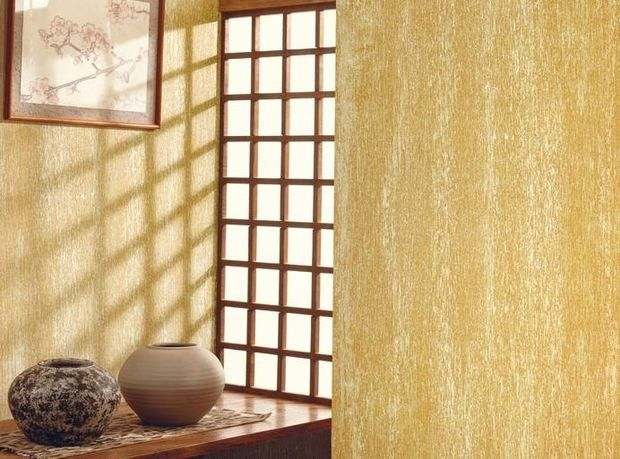
Types by binder
Modern decorative plaster for interiors can vary significantly in terms of the components used as binding materials. The following types are the most popular today.

Acrylic-based
The binder is acrylic resin. This is a high-molecular polymer that provides high elasticity properties to the composition. Such plaster may contain pigmenting additives of both organic and inorganic origin, which give the composition a wide variety of colors. However, acrylic plaster has low vapor permeability and loses its qualities quite quickly when exposed to direct sunlight.

Mineral-based
Decorative wall plaster is often applied using mineral-based compounds. The binding agent in these compounds is cement. They are sold as dry mixes that are easily diluted with water. They are characterized by high durability at a very attractive price. However, they are susceptible to damage from serious mechanical impact. In addition, it has a relatively limited color range—mainly light tones are available.

Silicone-based
Various synthetic resins (silicone) are used as a binder in these types of decorative plasters. Plasticity, ease of application, and resistance to ultraviolet radiation allow this type of finishing material to be used both for facade work and for interior decoration. In addition, this variety, which is available as a ready-made mixture, has a high degree of moisture resistance and does not attract static electricity, which means it does not attract dust, dirt, mold, fungus, etc.
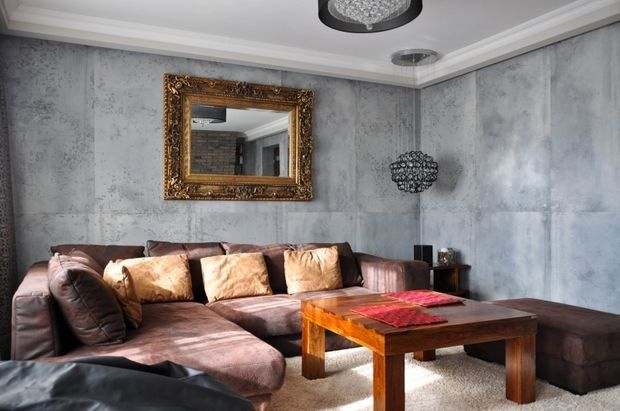
On the other hand, silicone-based decorative plaster for interiors offers a truly unlimited number of color options. However, its cost is significantly higher than that of most other types.
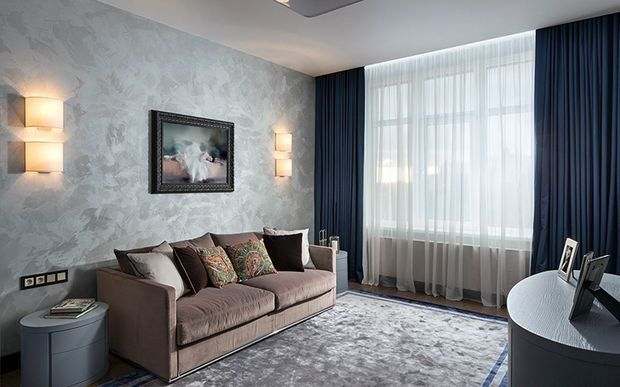
Based on silicate components
This type is based on so-called liquid glass, which is used as a binding element. Liquid glass is a mixture used in various proportions and consists of materials such as: · alkaline-based potassium carbonate; · natural quartz sand; · potassium derivatives; · various pigment granules.
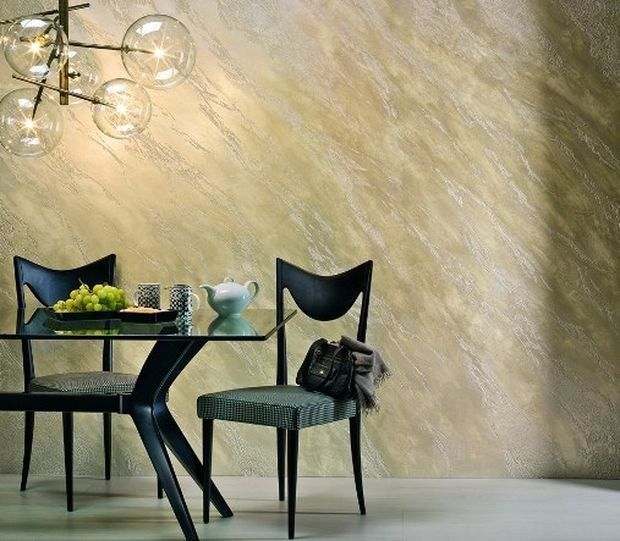
These compounds are characterized by high strength, durability, water repellency, fire resistance, and aesthetic appearance. Silicate plaster, which is mainly supplied in the form of ready-made mixtures, allows you to create a truly unique interior design for any room or exterior appearance for a building or structure. However, the cost of such mixtures is quite high.
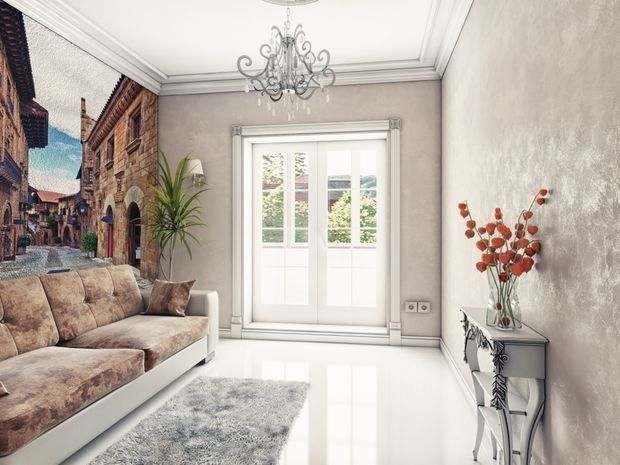
In addition to all of the above, this type of finishing material for surface treatment has another unique property. The initial composition can be changed independently by adding certain components to it! The photos posted on our website clearly demonstrate what artistic plaster can do!

Decorative plaster is a good choice for those who want to give their walls an expressive look without unnecessary hassle. It is durable, moisture-resistant, and even suitable for bathrooms. There are many advantages: it looks beautiful, masks minor wall defects, and does not require frequent updating. But there are also disadvantages — it is more expensive than conventional finishes and is more difficult to apply, especially without experience. If done carefully, the result will be pleasing for years to come, but there is still the risk of overpaying and making mistakes when doing the work yourself.
Type of fillers
As for the types of fillers that are most commonly used in the production of decorative plaster, they can be very diverse! The main task of fillers of any type is to provide a certain texture and texture. Today, the most popular types of fillers are the following groups:
- textured;
- structural;
- venetian.

The first two types give the treated surfaces a certain degree of roughness, relief, or even unevenness. Venetian-type plaster is smooth. Let's take a closer look at the features of each type.

Textured plaster
The distinctive features of this type are its high-viscosity structure with a fairly coarse dispersion. The use of fine-grained stone, marble or granite chips, mica, wood, or even linen fibers as fillers allows you to hide large irregularities and surface defects.

In addition, applying the compound does not require any special complex preparation of the walls, and the layer itself acquires high strength and durability, water resistance, combined with high air permeability when it hardens.

Varieties
Today, the following subtypes of textured plaster are the most popular:
- “lamb,” which is characterized by different sizes of stones used as filler;
- a “fur coat” made from cement, with a rough but even surface.
- “bark beetle,” which creates uneven grooves that imitate a wooden surface slightly damaged by pests.

Textured plaster
Structural plaster is very similar to textured plaster. However, these types of decorative plaster for interior work also have a number of significant differences. This finishing material has a much less grainy structure and is made on an acrylic or silicate base. This means that it is mainly used exclusively for interior work. Instead, the composition of its components and additives make it the optimal solution for use in bathrooms, corridors, or rooms with high humidity!

“Venetian” option
The name is rather arbitrary, as it has its roots in a certain medieval style. On the other hand, this style requires much more labor, as the composition is applied in several layers. In addition, this type is much more expensive, as it requires much finer grain and often the use of fairly expensive materials.
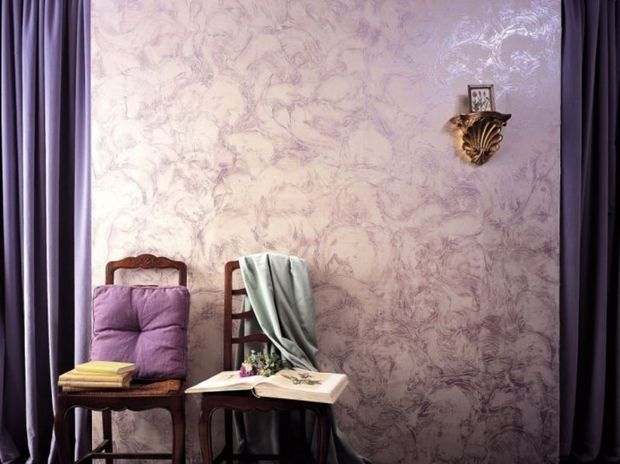
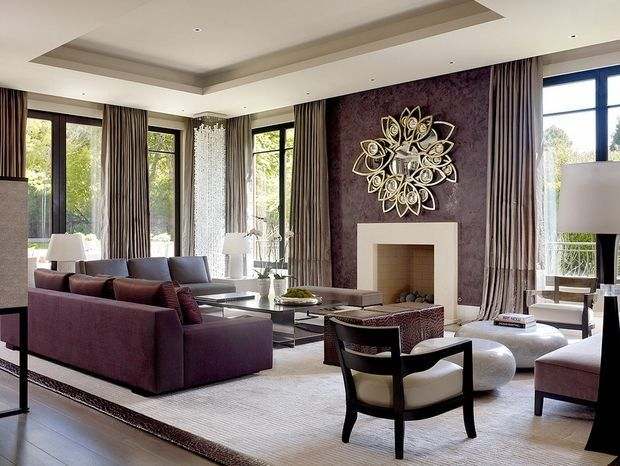
So, decorative plaster is a truly interesting and vibrant finishing material. Its main advantage is that it produces unique, unconventional results. You get a wall with character, texture, and light effects that cannot be replicated exactly. It's a great way to move away from boring wallpaper and add personality to your interior. In addition, many types of this plaster are durable, resistant to damage, and hide minor wall imperfections.
However, it is important to realistically assess the downside. This is far from the most budget-friendly option, especially when it comes to hiring a professional. Applying it yourself requires skill, patience, and understanding of the process — not all effects are easy to achieve on your own the first time around. In addition, a textured surface can collect dust, and it will be difficult to radically change the color or texture in the future — most often, the wall will need to be completely re-plastered.
Ultimately, the choice is yours. If you value exclusivity and texture and are ready to invest in a long-lasting solution, decorative plaster is an excellent choice. If a quick, simple, and more economical renovation is important to you, it may be worth considering alternatives. Weigh all the pros and cons in relation to your home, budget, and skills.


