
Renovating a bedroom is always a little nerve-wracking. On the one hand, you want to update the space where you start and end each day as soon as possible. On the other hand, you're afraid of making mistakes that will annoy you for years to come. But don't worry: a good renovation doesn't require a huge budget, just a thoughtful approach and a few key principles.
To make it easier for you, we have put together six practical tips. They will help you avoid the most common mistakes and do everything really well. We are not talking about dry instructions, but simple ideas that are worth keeping in mind before you remove the first wallpaper or buy a can of paint.
Let's figure out together where to start, what to pay special attention to, and how to create not just a beautiful but a truly cozy corner for relaxation in your bedroom. Ahead of us is only the most important and useful information.
Renovating a bedroom is not just about updating the walls and floor, but about creating a cozy and comfortable space where it will be easy to relax and sleep well. The main thing is to do everything wisely: start with a well-thought-out plan, choose high-quality but simple materials, don't overload the interior, take care of proper lighting and sound insulation, and also good ventilation. When every detail works for comfort, the room becomes truly yours.
How to stay healthy and create comfort?
-
Use. natural building and finishing materials that are hypoallergenic and environmentally friendly. They are also called “breathable.” These include all types of wood, cork, paper, fabric, veneer, concrete, brick, glass, stone, bamboo, tile, and porcelain tile. Cheap paints, varnishes, and mastics containing heavy metals are hazardous to health.
-
Ensure. fresh air circulation: avoid multi-layered curtains, complex decor, and floor coverings. Keep furniture to a minimum.
-
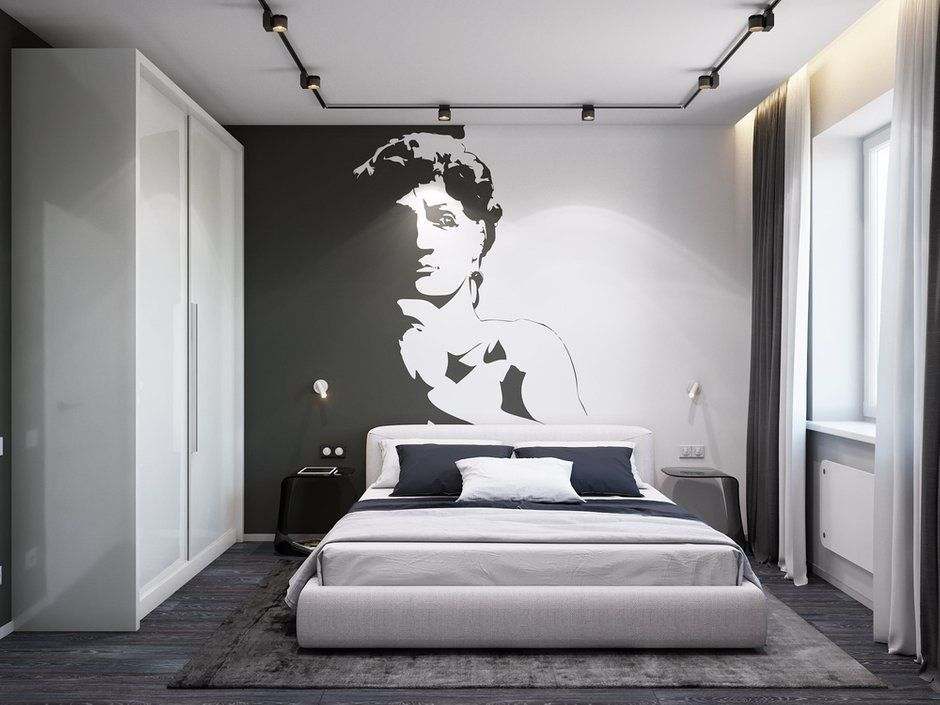
Give up. avoid bright and glossy finishes. According to feng shui and folk tradition, huge mirrors on the ceiling and walls should be used with caution. Calm colors and muted tones are suitable for relaxation and good sleep.
- Don't limit yourself. top light in the form of a huge chandelier. It is more convenient to have more local light sources and pass-through switches that allow you to turn off the general light from a lying position.
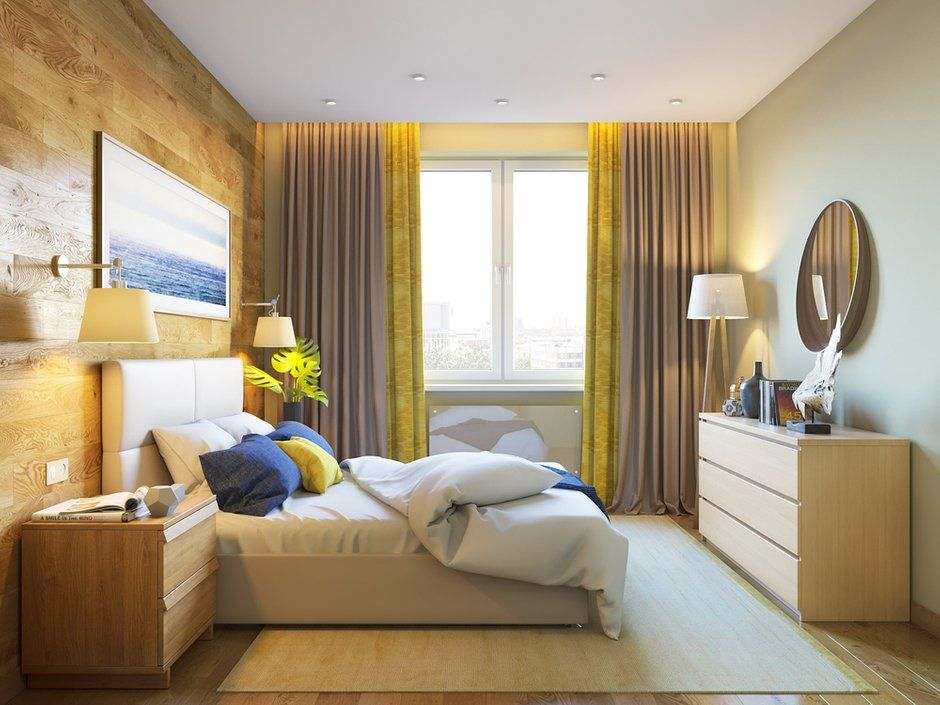
How to choose a design style?
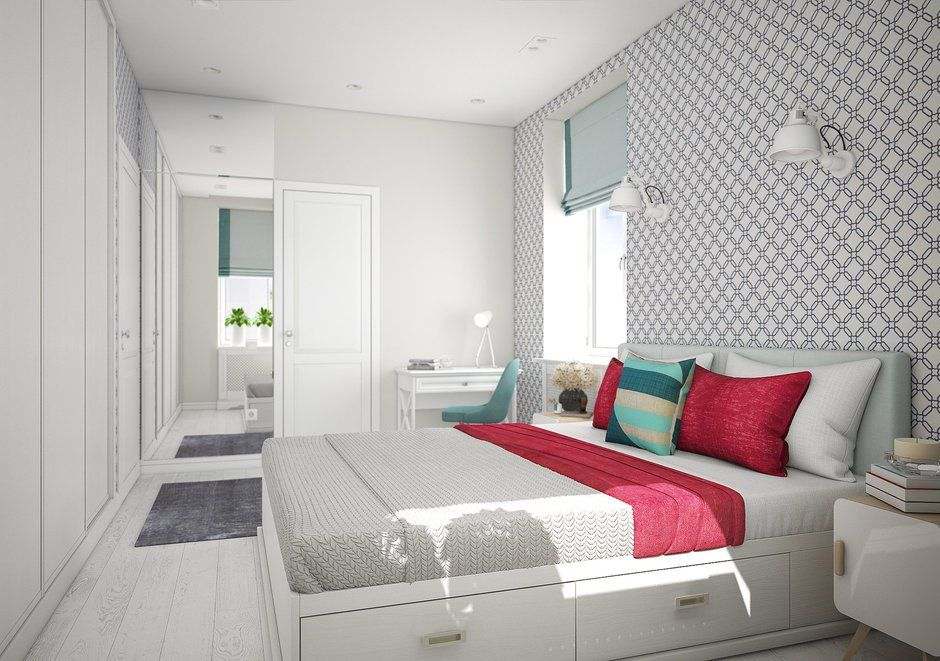
- If small bedroom, go for high-tech, minimalism, or Scandinavian style. Why? The fewer items in the interior, the more spacious and airy the room will seem.
- For the interior large rectangular bedrooms is suitable for Renaissance, classic, and eclectic styles. What is important? Place cabinets, dressers, and armchairs along the walls without cluttering the central space.
- In spacious bedroom classic, Provence, country, loft, and Scandinavian styles are relevant. All of them are based on the use of natural materials in finishing and decor: tapestries, carpets, fabrics, porcelain, glass;
- For studios eclectic, loft, and Scandinavian styles are ideal. Mix items of different styles. The reward will be maximum functionality with a minimum amount of furniture.
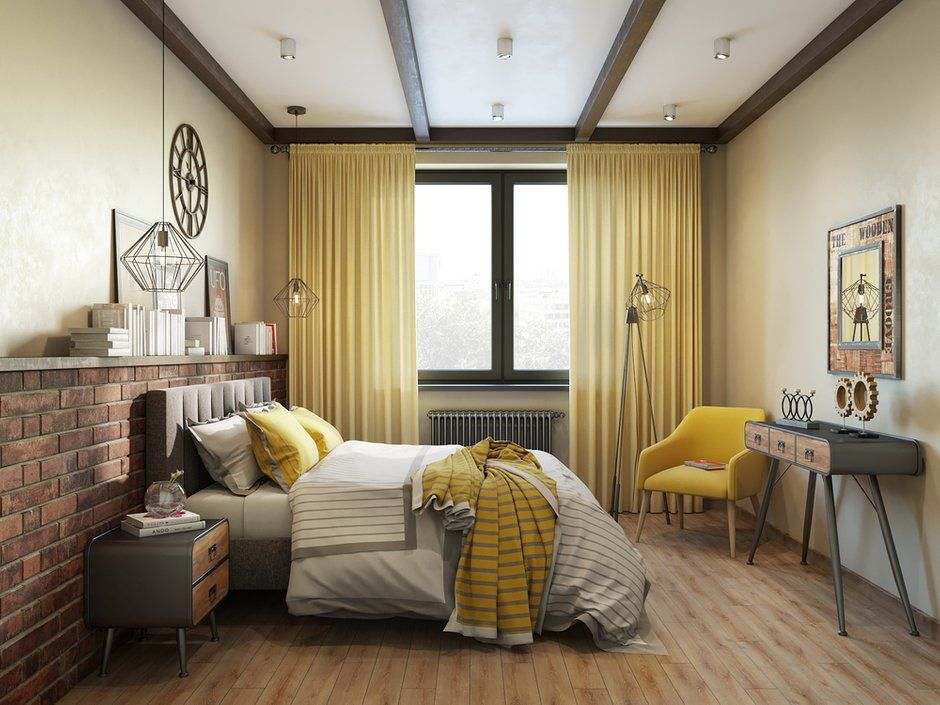
How to lay out the electrical wiring?
-
Bedside lamps switches should be within arm's reach, and provide several operating modes for the overhead light. A dimmer is suitable for this;
- Pass-through switches are necessary.: with their help, you can turn the overhead lighting on and off from two or more different installation locations. This is convenient;
-
The more switches and sockets, the more, the better. Install three switches above the bed in the center: a pass-through switch for the overhead light in the middle, and switches on the left and right for the bedside lamps.
- Comfortable temperature heaters and air conditioners will provide warmth and coolness. Plan for outlets for them, and you won't have to live with extension cords.
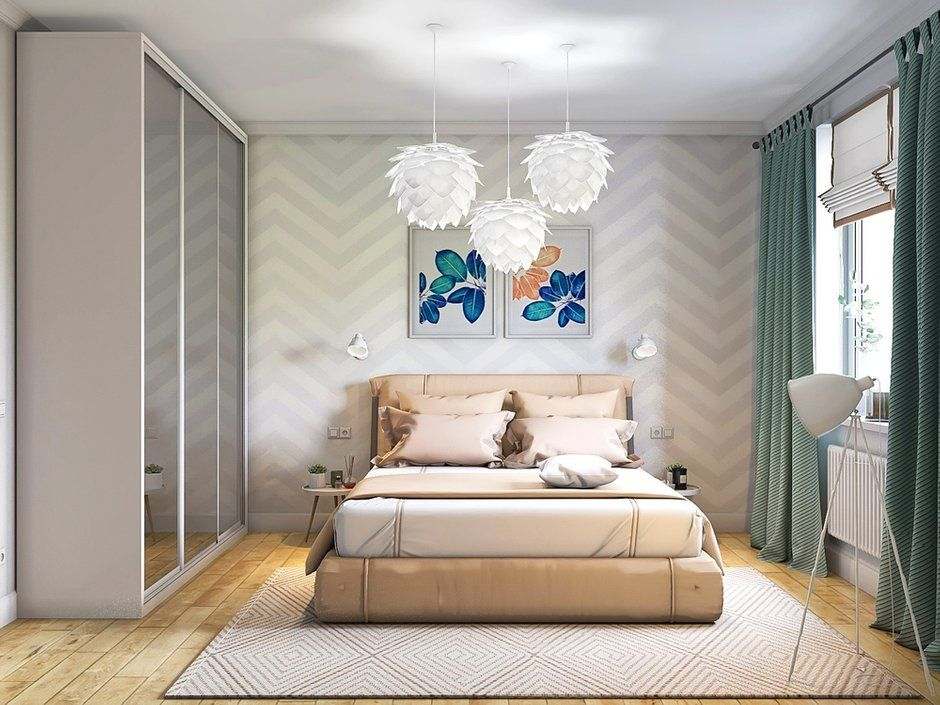
Which ceiling is easier to make?
The most common finishing option is painting with interior water-based paints. To ensure that the paint goes on evenly, the ceiling will need to be plastered and filled beforehand. You can choose the right shade at a specialty store that offers color matching services.
Painting is easy: apply several coats of paint to the prepared ceiling surface with a wide paint roller. Allow the ceiling to dry after each coat. Apply the next coat perpendicular to the previous one, and you will get an even color.
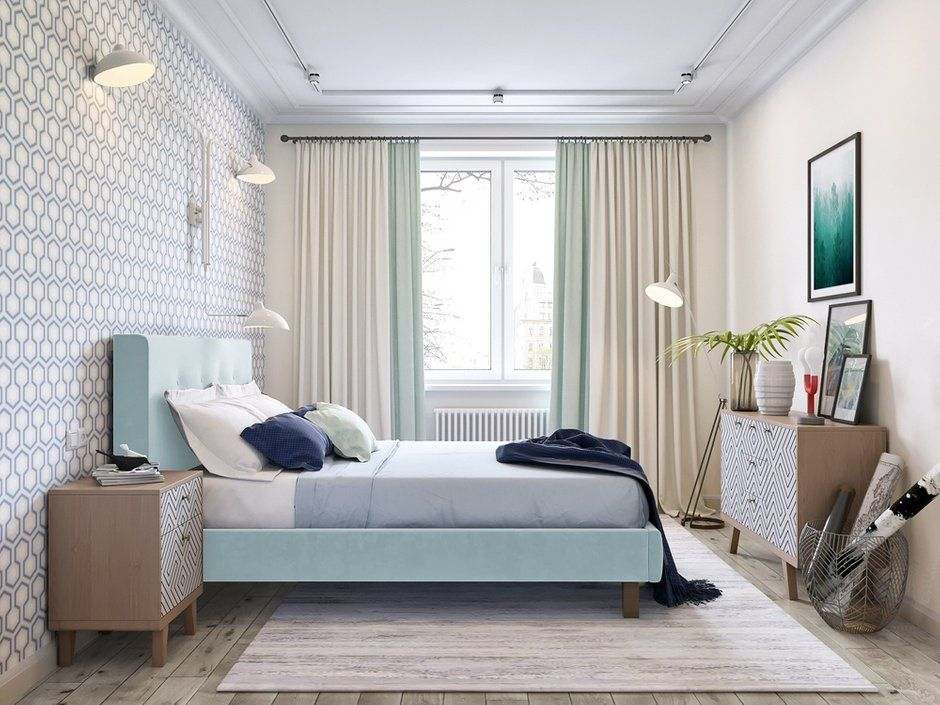
Another option is a suspended plasterboard ceiling. A special frame is attached to the ceiling, including brackets and guide elements — load-bearing U-profiles and connecting C-profiles. Plasterboard panels are then mounted to them.
This type of ceiling is heavy, so it must be carefully attached to the floor slabs using 100–120 mm anchor bolts. However, a plasterboard ceiling allows you to create different levels and install a complex system of built-in lights for more varied room lighting scenarios.
What wallpaper to use?
- Paper. The main advantages are a large selection of colors and textures, environmental friendliness, and ease of installation. However, paper wallpaper is not suitable if the bedroom is too sunny: the paper will quickly fade in the sun.
- Vinyl. Strong and durable. A significant drawback is that they do not allow air to pass through. However, there are already solid vinyl wallpapers on the market that do not have this drawback, but they are more expensive.
- Non-woven. The best option for bedroom walls. The wallpaper is breathable, easy to hang, and eco-friendly. The only downside is that it requires a perfectly flat surface.
- Textile. Essentially, this is paper wallpaper (base) to which fabric threads are attached. The result is a covering with high heat and sound insulation properties that is environmentally friendly and pleasant to the touch. The disadvantage is that it attracts dust and requires special care.
From an environmental point of view, there are three other attractive options:
- Fabric upholstery. Linen and cotton are used for upholstery. Pros: environmentally friendly, heat and sound insulation. Cons: difficult to maintain: the covering will need to be vacuumed regularly.
- Wooden panels. The 100% naturalness of the material is appealing. In addition, wood creates a natural microclimate in the room and maintains optimal humidity and temperature. Another advantage is durability: the service life of high-quality panels is at least 50 years.
- Soft wall panels. A relatively new type of finishing material consisting of three layers: a base of hard plastic or wood, a filling of heat and sound insulation material, and an outer layer of leather or fabric. The advantages of soft wall panels are their unique appearance, pleasant feel, and high degree of heat and sound insulation. The disadvantages include their high cost and difficulty in maintenance, as they accumulate dust. They are also easy to damage.
So don't torture yourself and the seller with questions about “the thermal conductivity of wood.” The frame area is quite small compared to the glazing area, and its material plays a secondary role. But the density
Don't be afraid to experiment with these plants. Many of them are very undemanding and thrive in our climate. Start with a couple of species that you like best, and you will definitely want to expand your collection. A bouquet picked and dried with your own hands is something special. It retains the warmth of your hands and memories of sunny days in the garden. May your home always be filled with such natural and touching beauty.
As a result, you will get more than just a renovated room. You will create your own personal space for relaxation, which will be a pleasure to return to every day. Good luck with your renovation!


