
Achieving indoor comfort is largely dependent on the heating system selection. Radiant infrared heated floors are one of the more popular contemporary options because of their effective and efficient heating capabilities. Infrared floor heating functions by directly emitting radiant heat to objects and people in the room, as opposed to conventional heating techniques that rely on convection, to create a more uniform and comfortable warmth.
The idea behind radiant infrared heated floors is that they radiate heat in the infrared spectrum, which is comparable to that of the sun. This kind of heating system radiates heat upward by means of electric coils or panels that are positioned beneath the floor. The room’s surfaces and objects absorb the heat energy, radiating warmth back into the area to maintain a comfortable temperature all around.
Maintaining a comfortable indoor environment while consuming less energy is one of the main benefits of a radiant infrared heated floor, like the Rod system. Infrared floor heating produces a soft, even heat without the use of fans or ducts, in contrast to forced-air systems that may cause uneven heating and the movement of dust particles.
The Rod infrared heated floor system is made to fit under a variety of floor coverings, such as laminate, hardwood, and tiles, with ease. Because of its adaptability, it can be used in both new and renovated buildings, giving homeowners the chance to incorporate energy-efficient heating systems without sacrificing design or square footage.
- Advantages and disadvantages
- pros
- Disadvantages
- Manufacturers (Unimat, Kaleo)
- Unimat
- Kaleo
- Installation Features
- Laying on screed
- On a wooden floor
- Video on the topic
- Infrared rod mat NANOMAT
- Self-regulating rod heated floor Nanomat | carbon heated floor
- Which electric heated floor is better: film, cable or rod?
Advantages and disadvantages
Although there are still drawbacks, warm infrared floors of the rod type have many benefits, which is not accidental as all the drawbacks of previous heating devices were considered during their development.
pros
The following are core floors’ primary benefits:
- fire safety – do not overheat and can withstand temperatures up to 60 degrees;
- moisture resistance – can be installed in a bathtub or on loggias;
- environmentally friendly – all components included in the structure are made from environmentally friendly materials;
- compatibility with various floor coverings – can be combined with tiles, linoleum, laminate;
- economical in terms of energy consumption – the power of carbon devices is 87 watts per 1 linear meter, which provides energy savings of up to 30%;
- have self-regulating properties – this allows you to set the desired temperature;
- easy installation – even a non-professional can handle it;
- safety – do not affect human health, since there is no electromagnetic radiation;
- are lightweight – create a small load on the floors;
- are not subject to corrosion.
Furthermore, installing infrared carbon floors beneath bulky furniture is appropriate for rooms with intricate layouts.
Disadvantages
Rod structures’ drawbacks include:
- before installing carbon floors, it is necessary to dismantle the concrete base;
- foil backing is prohibited, since under the influence of alkali, aluminum is destroyed, and this will lead to a malfunction;
- short service life – about 10 years;
- high price, in comparison with other heated floors;
- the difficulty of carrying out repair work, since installation is carried out in a screed or with glue.
As you can see, there are drawbacks to carbon floors that need to be considered before selecting and installing a model.
Manufacturers (Unimat, Kaleo)
These days, Unimat and Kaleo, two Korean companies, are at the forefront of the carbon rod heated floor industry.
Unimat
Warm electric floor production is Unimat’s area of expertise. Under this brand, two varieties of rod heating devices are manufactured:
- Rail Unimat – has a simple design, the width of which is 830 mm. The product has a power of 120 W. Recommended installation under tiles using adhesive or a small layer of screed.
Crucial! The flooring layer needs to be at least two centimeters thick.
- Unimat Boost is a distinctive feature of this model, the presence of a smaller pitch (9 cm). Model power 160 W. It is capable of heating a large area.
Mats, screws, wires, corrugated pipe, and an "End" kit are included with every model. You can also make the floor yourself with the help of a warranty card, manufacturer’s instructions, and a video that walks you through the installation process step-by-step.
Kaleo
One of the top producers of these heating devices is Kaleo. The company produces high-quality, dependable, long-lasting products at reasonable prices.
Modern manufacturing techniques guarantee fire safety and avoid product overheating while in use.
Kaleo systems are known for their rapid installation. Without the assistance of experts, you could construct such a floor in two hours with your own hands.
This manufacturer also produces models known as "Smart Floors," which are more functional. For cost-effective heating of large spaces (offices, cottages), they are advised.
Installation Features
There are two methods for installing rod infrared floors, which are multi-layered structures.
Laying on screed

Pouring a subfloor made of a concrete solution that swells during heating is known as screeding. It is covered with a layer of mats, reinforcing mesh, heat and waterproofing, and then a thin layer of screed is poured and the floor covering is put in place.
Just so you know! Only smooth surfaces can be used to install carbon fiber floors without screed.
On a wooden floor
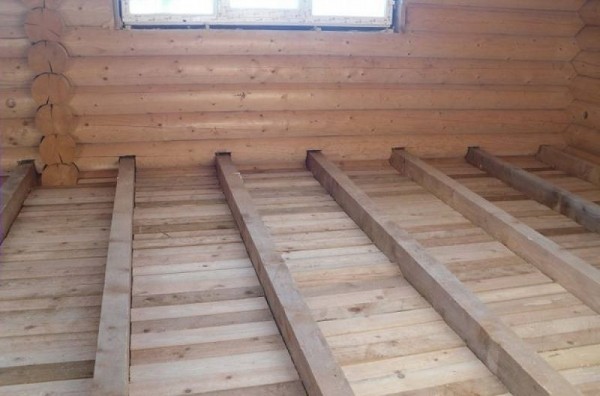
Building a “pie” out of an insulating substrate with a foil layer, a wooden log, a reinforcing mesh to which heating elements will be fixed, and a finishing coating is the fundamentals of installation on a wooden floor, also known as flooring.Just so you know! Avoid letting metal or foil coating come into contact with the IR floor.
The Rod system, a radiant infrared heated floor system, offers a revolutionary solution for interior comfort. Infrared systems radiate radiant heat straight onto objects and surfaces inside a room, as opposed to conventional heating techniques that rely on convection. Instead of just warming the air, this soft, even heat distribution warms things and people, creating a comfortable atmosphere.
The efficiency of Rod infrared heated floors is one of its main benefits. They may use less energy and cost less to heat because they operate at lower temperatures than traditional heating systems. The rapid response time of infrared heating, which reduces energy waste and permits precise temperature control, contributes to this efficiency even more.
Another excellent feature of Rod infrared floors is comfort. They produce a warm atmosphere with radiant heat, which is especially useful in cold climates or in rooms with inadequate insulation. In addition to lowering drafts and dust circulation, this kind of heating helps to create a cleaner, more allergen-free indoor environment.
Rod infrared heated floors are ideal for both new construction and renovations because of their easy installation and compatibility with a variety of flooring materials. These systems improve the general comfort and convenience of any space once they are installed and require little maintenance or noise.
To sum up, Rod infrared heated floors offer a cutting-edge, practical approach to efficiently and effectively achieving optimal indoor comfort. Their energy-saving features, comfort-enhancing attributes, and simplicity of installation make them an appealing option for homeowners wishing to modernize their heating systems while prioritizing sustainability and comfort.
Modern solutions for attaining indoor comfort through effective and gentle heat distribution are provided by rod infrared heated floors. These systems, in contrast to conventional heating techniques, directly heat objects and surfaces using infrared technology, generating a comfortable atmosphere without the need for air circulation. This is great for people who have allergies because it lowers dust circulation and energy consumption. Rod infrared floors are a useful option for improving comfort in both homes and offices because they are adaptable and blend in with a variety of interior design styles while offering constant warmth.


