
It is essential to know the water temperature in your heating system if you want to keep your house efficient and comfortable. Your boiler’s or heating control system’s settings mostly dictate the water’s temperature. With modern boilers, you can change the temperature to suit your needs for heating as well as the outside weather.
In order to ensure adequate heat output throughout your home during the colder months, higher water temperatures are usually required. This makes it possible to keep the interior at a comfortable temperature even in the winter. On the other hand, lower water temperatures can be set during milder weather to increase energy efficiency and lower heating expenses.
The size and layout of your heating system also have a big impact on how hot the water is. Higher water temperatures may be necessary for larger systems with more radiators or underfloor heating in order to efficiently distribute heat over a larger area. On the other hand, systems that are smaller or have better insulation might function well at lower water temperatures.
The lifespan and functionality of the parts in your heating system can also be impacted by the water’s temperature. Overly high temperatures have the potential to accelerate boiler parts and pipe wear and tear, increasing the frequency of maintenance and repair expenses. Conversely, preserving appropriate and constant water temperatures can help your heating equipment last longer.
- WHAT DOES THE WATER TEMPERATURE IN THE SYSTEM DEPEND ON??
- HOUSE WATER HEATING SYSTEM
- Heating norms in apartments and houses
- Measuring the temperature of the battery
- CALCULATION OF HEATING TEMPERATURE OPERATION
- EXAMPLE OF CREATING A HEATING TEMPERATURE SCHEDULE
- WATER TEMPERATURE IN THE BOILER AND HEATING PIPES
- HEATING BOILERS
- Video on the topic
- The boiler boils but no heat? / The house will be warmer
- 5 operating modes of the boiler during the year and which temperature should be set in these modes. 👾
- What should be the temperature of heating and hot water the maximum temperature of the coolant and dowry
- Pressure in the heating system
- Calculation of the working pressure in the heating system of a closed type
- At what speed should the circulation pumping pump work
WHAT DOES THE WATER TEMPERATURE IN THE SYSTEM DEPEND ON??
You need a graph showing the water temperature in the heating system in order for the heat supply to operate properly. It is used to determine the appropriate level of coolant temperature heating; this is dependent on a number of external factors. It can be used to measure the water’s temperature in central heating radiators, which needs to be within a certain range to ensure hygienic conditions during the equipment’s operating hours.
The water temperature in a home heating system is influenced by multiple factors. The type of boiler and its settings, such as the heat output capacity and thermostat, are the primary determinants. In addition, the arrangement and dimensions of the heating pipes are important factors that impact how effectively heat is dispersed throughout the house. The amount of insulation in the building affects the water’s temperature in addition to outside variables like the weather and outside temperature. Comprehending these variables aids homeowners in maximizing the comfort and efficiency of their heating systems all year long.
HOUSE WATER HEATING SYSTEM
There is a widespread misperception that coolant with a higher heating level is preferable. However, fuel consumption rises concurrently with rising operating costs. Radiators that are kept at low temperatures are frequently not regarded as breaking room heating codes. It was easy to form a low-temperature heat supply system.
For this reason, careful consideration should be given to the precise computation of water heating. The right water temperature in the heating pipes is determined by outside variables. The following signs must be considered in order to recognize it:
- heat loss at home. They are considered the main ones for calculating any type of heat supply. Their calculation will be the first step in heat supply design;
- boiler performance. If the operation of this component does not meet the design requirements, the temperature of the water in the heating system of a private house will not rise to the required level;
- metal production of pipes and radiators. In the first situation, you need to use pipes with a minimum thermal conductivity value. This will reduce heat losses in the system as the coolant moves from the boiler heat exchanger to the radiators. For batteries, the main opposite is high thermal conductivity. Therefore, the water temperature in central heating radiators made of cast iron should be higher than aluminum or bimetallic devices.
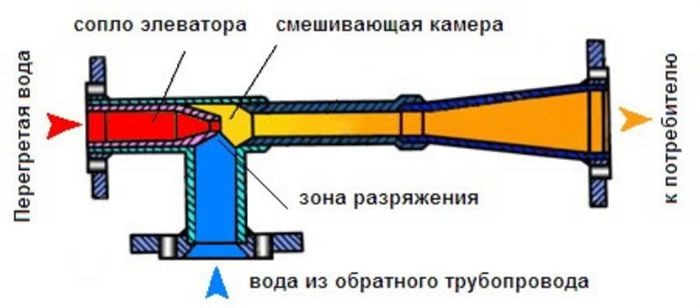
Is it feasible for you to determine the ideal temperature for heating batteries? It is dependent upon the specifics of the system’s features. You must become familiar with the features of batteries, boilers, and heat supply pipes in order to accomplish this. The heating pipes’ temperature is not regarded as the primary indicator in the centralized heat supply system. The most important thing is to follow the regulations regarding air conditioning in residential buildings.
Heating norms in apartments and houses
Actually, it’s thought that the degree of water heating in heat supply radiators and pipes is a subjective indicator. Understanding the system’s heat transfer is far more crucial. The lowest and maximum water temperature that the heating system can reach when in use will determine this.
Measuring the temperature of the battery
Central heating standards are used for independent heat supply. The Russian Federation Resolution No. 354 contains specifics about them. However, there is no indication of the heating system’s minimum water temperature. Keeping an eye on the room’s air heating level is crucial. As a result, one system’s temperature indicator may not match another’s. Everything is dependent upon the aforementioned influencing factors.
You need to familiarize yourself with the most recent standards in order to determine the normal temperature in heating pipes. Their contents show how the rooms are divided into residential and non-residential categories and how the time of day affects the amount of air heating:
- in the central rooms during the day, the normal temperature in the apartment should be +18 degrees and +20 degrees in the corner rooms;
- in living rooms at night a slight drop in temperature is allowed, but the temperature of the heating radiators should be +15-+17 degrees.
These standards are under management company control. You have the right to request a revision of the heating payment schedule if they are broken. The coolant heating indicators and the system’s load level are entered into a temperature table for autonomous heat supply. If this schedule is not followed, though, nobody is at fault. The comfort of staying in a private residence is impacted by this.
Stairwells and non-residential buildings must maintain the necessary level of air heating in order for central heating to function. The water in the batteries should be heated to a minimum of +12 degrees so that the air is heated.
CALCULATION OF HEATING TEMPERATURE OPERATION
It is required to account for the properties of each component when calculating the heat supply. This especially holds true for radiators. Which temperature—+70 or +95 degrees—is best for heating radiators? Everything is based on the warm calculation that is made during the design phase.
EXAMPLE OF CREATING A HEATING TEMPERATURE SCHEDULE
The building’s heat losses must be determined first. A boiler with the right power is chosen in accordance with the information obtained. Subsequently, the heat supply batteries’ parameters are established. They need to transfer heat at a certain degree, which will have an impact on the heating system’s water temperature graph. This parameter is noted by the manufacturer, but only for a particular operating mode of the system.
If 2 kW of thermal energy is needed to maintain a comfortable level of air heating in the space, then the radiators need to have a heat transfer rate of no less. You must be aware of the following indicators in order to recognize this:
- you need to know the maximum water temperature in the heating system – t1. It depends on the power of the boiler;
- the normal temperature that should be in the heating return pipes is t. This is revealed by the type of distribution of highways and the total length of the system;
- desired level of air heating in the room – t.
With this information, you can quickly determine the battery’s temperature differential by applying the following formula:
Next, you must apply the following formula to ascertain the radiator’s power:
Where k represents the heating device’s heat transfer rate. The passport needs to have a note about this indication. Tnap is the thermal pressure; F is the radiator area.
You can find the best operating mode for the device by adjusting the maximum and minimum water temperatures in the heating system. The most important thing is to figure out how much power the heating device needs in the beginning.
Heating design errors are typically linked to low temperature values in heating radiators. Experts recommend that radiators add 5% to the obtained power value as a small margin. In the event that the wintertime outside temperature drops significantly, this will be necessary.
WATER TEMPERATURE IN THE BOILER AND HEATING PIPES
Following the computations, you must create a table with the boiler and pipe temperature values. There shouldn’t be any emergencies during the operation of the heat supply, as temperature violations are typically the cause of them.
HEATING BOILERS
Radiators used for central heating typically have water as hot as +90 degrees. When the coolant is being prepared, transported, and distributed to residential apartments, this needs to be closely supervised. The situation pertaining to self-sufficient heating is considerably more intricate. In this instance, the home’s owner has total control.
Making sure that the water temperature in the heating pipes doesn’t rise is the most important thing to do. This could have an impact on the system’s safety. The following scenarios could occur if the water temperature in a private home’s heating system unexpectedly rises above normal:
- pipeline deformation. This is especially true for polymer lines, where maximum heating can reach +85 degrees. Therefore, the normal temperature of heating pipes in an apartment is +70 degrees. Otherwise, deformation of the line may occur, and then a burst;
- increase in air heating. If the temperature of the heating radiators in the apartment contributes to an increase in the air heating value above +27 degrees, then this is outside the normal range;
- Reduced service life of heating parts. This applies to radiators and pipes. Over time, the maximum water temperature in the heating system will lead to malfunction;
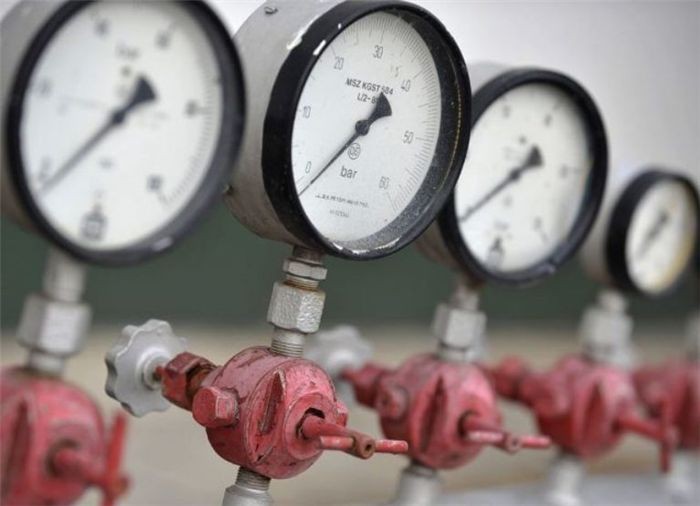
Failure to comply with the temperature schedule of water in the autonomous heating system contributes to the creation of air jams. This is accomplished by transforming the coolant from a liquid to a gaseous state. Additionally, this affects the occurrence of corrosion on the metal parts of the system. Therefore, it is necessary to accurately calculate what temperature should be in the heating batteries, taking into account the material of creation.Most often, a violation of the thermal operating conditions is observed in solid fuel boilers. This is due to the problem of adjusting their power. When a critical temperature level appears in heating pipes, it is very difficult to quickly reduce the power of the boiler.
| Factor | Effect on Water Temperature |
| Boiler Settings | The temperature setting on the boiler controls how hot the water gets before circulating through the system. |
| Room Thermostat | Adjusts the boiler to heat water according to the desired room temperature. |
| Outdoor Temperature | Influences boiler operation to ensure water is warm enough for heating needs. |
| Insulation Quality | Poor insulation can lead to heat loss, affecting water temperature. |
| Radiator Size and Efficiency | Efficient radiators ensure water retains heat as it circulates. |
Maintaining efficiency and comfort in your home requires an understanding of the variables affecting the water temperature in your heating system. Your thermostat’s setting is one of the main factors. This gadget regulates the on and off times of your furnace or boiler to heat the water. Raising the thermostat causes the water’s temperature to rise, while lowering it causes the temperature to fall.
The kind and capacity of your heating system is an additional consideration. The temperature at which various systems, like boilers or furnaces, can heat water varies. Water temperature can be precisely controlled by modern systems, which helps reduce energy use and provide comfort customization.
Your home’s size and design are important factors as well. In colder climates, larger homes might need higher water temperatures in order to properly heat every room. Sufficient insulation and even heating throughout the house can aid in efficiently preserving the right temperature.
Furthermore, the outside temperature has an impact on how well your heating system performs. Higher water temperatures may result from your system having to work harder in colder weather to reach and maintain desired interior temperatures. On the other hand, milder seasons might only require lower water temperatures to provide a comfortable temperature.
To guarantee that your heating system runs smoothly and keeps the water at a constant temperature, regular maintenance is necessary. To maximize efficiency and performance, parts like pumps, thermostats, and valves may need to be replaced or adjusted over time.


