
Is there a draft coming from the plastic window? Contrary to popular belief, it happens more often. You can still have unwelcome airflow even with windows that are contemporary and of excellent quality. This can be annoying, particularly if you’ve spent money on new windows to increase the insulation in your house.
Frequently, the glazing bead—the strip that secures the glass inside the frame—is the offender. It may break or come loose over time, letting cold air in. This can raise your heating costs in addition to making your house less comfortable.
Rest assured, there exists a solution. Knowing why this occurs and what to do about it will enable you to address the issue swiftly and effectively. With a quick adjustment or replacement parts, you can quickly restore your windows to their draft-free condition.
| Reason | Solution |
| Worn out seals | Replace the old seals with new ones |
| Improper installation | Reinstall or adjust the window properly |
| Damaged glazing bead | Replace the damaged glazing bead |
| Loose window frame | Tighten the frame or add insulation |
| Poor quality materials | Use higher quality materials |
- What could be causing the blowing??
- Violations
- Circumstances not related to breakdowns
- How to determine what the problem is?
- Tools and materials for work
- Solutions
- When simple repairs are not enough?
- Video on the topic
- If it"s blowing from under the hinges, here"s what to do #windowmaker secrets #repaircon #windowmaster
- Plastic window beads
- If it blows from plastic windows
- Why does the glass blow?? What to do if there is blowing between the rubber and the glass unit? Windowmaker Tips.
- blows from a plastic window through the impost, what is the problem?
- A JOINT was found in the production of PLASTIC WINDOWS! The draft will disappear
- BLOWING FROM UNDER A PLASTIC WINDOW, WHAT TO DO
What could be causing the blowing??
The following technical issues may lead to blowing from under the glazing beads of PVC windows:
- Mismatch between the sizes of double-glazed windows and the bordering frame made of PVC profile. In such situations, too thick stand profiles are used when installing a double-glazed window with the subsequent formation of a large gap, which ensures air flow into the room.
- Loose connection of glazing beads to the window frame or translucent structure.
- Defects or physical wear of the sealing tape that ensures a sealed joint between the glazing bead and adjacent surfaces.
- Manufacturing defect or bending of the clamping bar, which causes it to fall out of the seating plane with a violation of the clip fastening.
- The glass unit is too thin, causing a gap to form between the sealing tape and the glass.
- Fittings of poor quality, weak clip fastenings that deteriorate over time, which causes depressurization of the structure.
- Errors when installing a window structure or when assembling a sash into a single translucent element.
- A crack or chip in the glass where the bead joins.
It is nearly impossible to find any of the listed flaws with a cursory examination. It is essential to fully disassemble the stacking staff and examine the location where the double-glazed window is adjusted to the frame in order to pinpoint the precise cause of blowing.
Sometimes a building’s owner blames drafts on heat loss. However, a decrease in the heat transfer resistance could be the cause of the energy efficiency loss when there is not enough glass or when a double-glazed window is depressed.
Violations
A head-up man there could be the consequence of several manufacturing or installation issues:
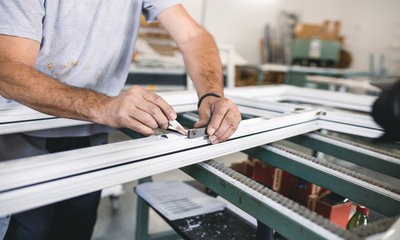
- During the assembly of the double-glazed window, production marriage was made-the finished design was poorly glued, or during sealing, an insufficient amount of butyle-teddy sealant was applied.
- When packed a heading into the landing plane, the PVC element was subjected to strong shock influences, which caused its local destruction.
- Before cutting, the glazing beads were stored in improper conditions, which is why the constant temperature difference caused a disruption of their structure and bending.
- When assembling the window, the seal could have been damaged by a sharp object or not aligned well enough along the plane of the glass.
- The glass unit was assembled using a bead that did not fit the landing plane.
The majority of blowing-related issues can be fixed with straightforward fixes or element replacements.
Circumstances not related to breakdowns
In the event that a window is blown through, it is imperative to inspect the complete structure and compare the thermal properties of the window to the room’s operational requirements, as the issue may not be limited to the glazing bead or double glazing:
- Loose connection of the sash due to broken or unadjusted fittings.
- Blowing through the rotary handle due to the presence of a through hole in the profile and its insufficient sealing.
- In the case of installing a single-chamber double-glazed window instead of a double-chamber.
- If the heating system in the house is insufficiently efficient.
- If there are problems with ventilation of the outer wall, or the junction of the profile with the end of the opening in masonry.
- If there are additional sources of ventilation and drafts in the room.
- In case of incorrectly installed supply ventilation, which is not equipped with an air heating function, or restrictions on the cross-section of the air duct.
- Freezing of elastic seals on the front side of the window. This phenomenon can cause hardening of the polymer material, which opens access for atmospheric moisture to the space between the glass unit and the frame. When water freezes, it expands, opening cracks, increasing the risk of drafts.
If these indirect defects are found, glass repair efforts are rendered futile because, even in the case of a flawlessly operating translucent structure, issues related to heating or ventilation will impede energy efficiency.
How to determine what the problem is?
An expert piece of equipment is not always necessary for the property owner to diagnose a ventilation issue with windows.
Determine operational irregularities so that you can use makeshift methods to take appropriate action:
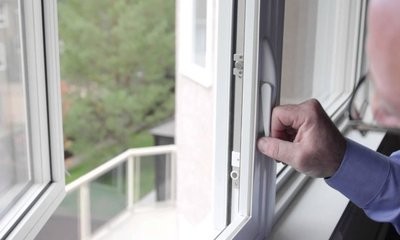
- In winter, blowing is easy to determine with the palm of your hand. To do this, just bring your hand to the characteristic joints and slowly move it along the gap. To achieve a more accurate result, your hand can be moistened with water, since the evaporation of liquid from the surface of the skin is accompanied by heat loss.
- If your hand cannot feel all the places where the glass unit is blown, you can use thin tissue paper or film – even slight air flows cause it to vibrate.
- The most effective method is to determine a draft by looking at the flame of a lighter or candle. To do this, you need to light the light source, and then observe the deflection of a uniform flame when brought to the place of the most likely source of the draft.
You should look for window structures to blow through during the coldest or windiest part of the day. This issue is detected with the highest accuracy and much faster in the winter. Performing an examination during daylight hours during the warm season greatly increases the risk of receiving erroneous results.
If your plastic window is letting in cold air through the glazing bead, there’s probably a problem with the insulation or window seal. This typical issue may result in uncomfortable drafts in your house and increased energy costs. In order to remedy it, you may need to reseal the glazing bead itself, replace any worn-out weatherstripping, or inspect the seal for any gaps or damage. Maintaining your windows in a way that keeps them cozy and energy-efficient requires regular maintenance and expert installation.
Tools and materials for work
In the event that a PVC window leak is found beneath the glazing bead, repair and restoration work must be done, along with the replacement of certain consumables.
The following basic equipment and materials are needed by the do-it-yourself craftsman:
- Construction knife for removing old sealant when dismantling glazing beads.
- Flat-head screwdriver for removing glazing beads from clips.
- A wooden or rubber mallet to fix the clamping bar in the design position after repair.
- A thin chisel or awl to remove the old seal from the groove in the bead if it breaks.
- A plastic spatula with which you can fix a new sealing tape into the mounting groove.
- Scissors for cutting the sealing tape from the coil.
- Sealant based on silicone, acrylic or rubber, if additional insulation of joints is necessary.
- Mounting gun for easy application of sealant.
Selecting a tool, sealant, or sealing tape requires you to prioritize high-quality items made by reputable manufacturers. Additionally, experts advise utilizing only brand-new materials that meet the necessary requirements for geometry, chemical makeup, and mechanical and physical properties.
Solutions
There are multiple approaches to address infractions related to PVC window ventilation:
- Replacing the sealing tape – you need to remove the glazing bead by picking it up with a screwdriver or chisel, and then remove the old polymer seal. A piece of the required length is cut from the coil with the new seal, after which it is carefully tucked into the vacated groove with a plastic spatula.
- If the bead is deformed or cracks form on its surface, the entire part must be replaced. To do this, an identical element is purchased, which, as a rule, is supplied to the market in measured lengths – from 2.5 to 3 m. The glazing bead is cut using a miter box, a hacksaw with a fine tooth, at 45 degrees. After cutting, the end is sanded with a file and installed in place of the old bead.
- If you use a glass unit that is too thin, it is necessary to completely replace the translucent element, since installing additional seals will not help solve the problem of ventilation.
- In some cases, sealing the joint between the double-glazed window and the plastic frame profile helps. For this operation it is necessary to remove the glazing bead, blow out the gap between the glass unit and the profile, and then fill it with silicone sealant.
You should combine the aforementioned actions for the best outcome. Replacing all of the seals around the perimeter and caulking the gaps will help permanently solve the issue if a PVC window is blowing air under the glazing bead.
When simple repairs are not enough?
Even though replacing the seal is typically an easy way to stop blowing from under the bead, there are some circumstances where more involved and costly solutions are needed:

- A crack in the glass, depressurization of the glass unit – a complete replacement of the translucent block is necessary.
- Breakage of the grooves in the PVC window profile for installing glazing beads – dismantling of the frame and replacement of part of the damaged profile is required.
- Insufficiently efficient glass unit, or installation of a single-chamber structure. If the manufacturer does not have the ability to produce a double-glazed window with the same thickness as the previous translucent element, the owner of the premises will have to change the entire window sash.
When the issues stem from low heating power or insufficient energy efficiency of the outer wall, it is imperative to engage experts to perform a comprehensive overhaul or reconstruction of the utility network.
It’s obvious that something is wrong if you feel a draft under the plastic window’s glazing bead. Poor installation, failing seals, or even variations in temperature that cause the materials to expand and contract can all be causes of this problem. It is imperative that you take quick action to fix this issue if you want to keep your house comfortable and energy-efficient.
Examine the glazing bead and the seal surrounding it first. Occasionally, the seal may have worn out or the bead may have come loose. Often, the issue can be resolved by tightening the bead again or changing the old seal. To make sure the work is done correctly, you might need to hire an expert, especially if the draft still exists after your initial attempts.
The best defense against drafts is routine maintenance. Check your windows frequently for indications of wear and tear. Your windows can remain functional and last longer if the seals are cleaned and the moving parts are lubricated. These little actions can have a big impact on keeping your house draft-free.
In the end, keeping your plastic windows properly maintained and sealed can prevent higher energy bills and maintain year-round comfort in your home. To enjoy a more effective and comfortable home environment, don’t ignore the signs of drafts; address them head-on.


