
Popular for its affordability, ease of maintenance, and durability, linoleum is a flooring option. Natural ingredients are pressed onto a backing material, including linseed oil, pine resin, wood flour, and mineral fillers. Because of its composition, linoleum is resilient and flexible and can be used in a variety of settings, including residential and commercial buildings.
The possible health effects of linoleum are one of the main issues that are frequently brought up. In contrast to certain synthetic flooring materials that release volatile organic compounds (VOCs), linoleum is typically thought to be a greener choice. It is a safer option for indoor air quality because, once installed, it usually does not release harmful chemicals into the air.
The composition of linoleum also plays a role in its hypoallergenic qualities. Compared to carpets or rugs, it is less likely to trap dust, pollen, and other allergens because it is made of natural materials. Linoleum is a sensible option for homes with allergy sufferers or people who are sensitive to indoor air pollutants because of this feature.
Furthermore, linoleum’s sustainability credentials are acknowledged. It is made from renewable resources, one of which is flax seed oil, which is extracted from them. Linoleum is renewable, unlike vinyl flooring, which is composed of man-made materials derived from petrochemicals.
Types of coating, what it can be made from?
There are three primary categories in which linoleum is sold:
Their intended use for various operating conditions, which is reflected in the material’s composition, accounts for their differences.
You must consider that the heating temperature of linoleum in an apartment with heated floors will be between +25 and +30 degrees.
PVC

The foundation of this kind of flooring is polyvinyl chloride. For binding and decorating purposes, a variety of plasticizers, stabilizers, synthetic fillers, and dyes are utilized.
During operation, the coating doesn’t require complicated maintenance. A unique layer applied to PVC linoleum increases its resistance to abrasion and stops toxic substances from leaking out.
But when you use abrasive detergents, it wears off over time, lowering the material’s environmental friendliness.
PVC flooring includes:
- xylene;
- toluene;
- synthetic resins.
These components release toxic substances that are bad for human health when the material is heated. As a result, installing this kind of linoleum in conjunction with heated floors or in the kitchen, bathroom, or nursery is not advised.
Here is more information regarding PVC coating.
Rubber
This particular type of linoleum is unique in that it has wood added to the bottom layer and synthetic rubber and other fillers on top. Higher wear resistance as well as resistance to cracks and their growth are characteristics of this kind of flooring. It also possesses chemical inert and antimicrobial qualities.
When heated, this material can release toxins. As a result, heated floors and rubber flooring cannot be used together.
Acrylic
The top layer of this kind of coating consistently offers protection from chemical and mechanical forces. It is robust and long-lasting, and it can withstand higher temperatures and more moisture. Polymers and acrylic resins are found in linoleum.
This kind of material can release harmful substances only under extreme heat, so the level of harm is minimal because completed linoleum is not vulnerable to this while in use.
Natural
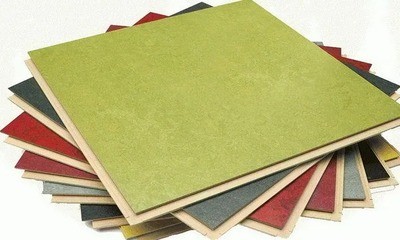
You can get this floor covering with or without a jute backing. includes pine resins, wood flour, and linseed oil.
Although natural linoleum is not as sensitive to UV rays, it does not respond well to high humidity, so installing it in a bathroom is not advised.
Since all of the ingredients that went into making this coating are natural, it poses no health risks when in use. Adequate for residential spaces, the drawback of this flooring is its exorbitant price.
Refusing to buy the coating is justified if it has an offensive smell.
Go here to learn more about natural linoleum.
Colloxylin
This floor covering is made of a single layer and includes fillers, stabilizers, plasticizers, and cotton or wood nitrate. The material has increased elasticity, resistance to moisture, and low temperatures.
Although the material has a high fire rate and is deemed fire hazardous, it is still regarded as environmentally friendly.
The safest
Natural materials are the safest since they don’t include chemicals like polymers and plasticizers. These are the elements that, when heated, have the potential to release airborne toxins that are dangerous to people’s health.
The first thing you need to consider when buying safe linoleum is product certification. Its markings will also provide an indication of the coating’s quality. A "warm floor" indicates that the material is heat-resistant and does not release toxins during evaporation, while the presence of the "lightning" icon indicates that linoleum does not accumulate statistical radiation.
Everyone involved in building or renovating must comprehend the makeup of linoleum and its possible effects on health. Eco-friendliness and durability are features of linoleum, which is generally made from natural materials such as wood flour, linseed oil, and resins. But because of additives like plasticizers and volatile organic compounds (VOCs), which can release toxic gases, there are worries about how it may affect people’s health. Since these risks can be reduced by proper installation and ventilation, making educated decisions is crucial to establishing healthier indoor environments.
What could be the harm??
The products of a material’s combustion may pose a greater risk in a fire than the material itself. Since dioxins, a carcinogen, start to leak into the air in this instance, linoleum toxicity is high. Thus, the material’s flammability class—which is listed on the label—must be considered when making a decision.
Potential choices:
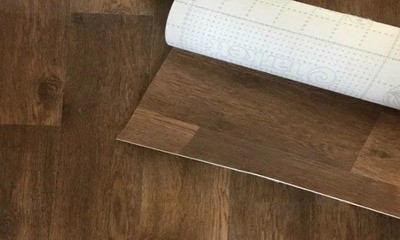
- G1 – does not support combustion, gas temperature does not exceed 135 degrees;
- G2 – supports combustion, lasting no more than 30 seconds;
- G3 – the material is able to burn independently for 5 minutes, and the temperature of the gases already reaches 450 degrees;
- G4 – flammable material.
Improper installation of the coating can be more harmful to health than the coating itself. Humidity levels at the base may rise if installation guidelines are not followed. And eventually, this turns into the catalyst for the growth of fungi, or pathogenic microflora. This is particularly true when installing linoleum in highly humid spaces.
Errors to stay away from in order to protect your health:
- insufficient preparation of the base, use of low quality coating;
- incompatibility of characteristics of materials used for installation;
- moisture regularly gets into joints when they are poorly processed.
Ten years is the minimum service life for this flooring.
Details regarding the risks associated with linoleum in the video:
Anyone thinking about installing linoleum in their house or office has to know what makes it what it is. Natural materials like linseed oil, wood flour, cork dust, and resins are typically compressed onto a jute or canvas backing to create linoleum. When compared to synthetic flooring options, linoleum is a relatively eco-friendly option because of its composition. The health benefits of linoleum as a flooring material are partly attributed to its lack of dangerous chemicals like PVC (polyvinyl chloride).
Instead of focusing on the composition of linoleum, concerns regarding its health effects frequently revolve around how it is installed. Volatile organic compounds (VOCs) and other chemicals that can contribute to indoor air pollution may be released when linoleum is installed. These issues can be lessened by using low-VOC adhesives and ensuring adequate ventilation during installation. After installation, linoleum usually presents few health risks, especially when compared to vinyl flooring, which eventually releases toxic phthalates.
The ability of laminate flooring to withstand the growth of mold and mildew can be especially advantageous for people who have allergies or sensitivities. In addition to being easy to maintain and clean, its smooth surface lowers the amount of allergens in indoor spaces. Furthermore, because of linoleum’s strength and longevity, replacements will be necessary less frequently over time, minimizing both long-term expenses and environmental effect.
In conclusion, despite some health concerns, linoleum is a good option for many building and renovation projects due to its natural composition and minimal environmental impact. People can benefit from linoleum flooring while lowering potential health risks by being aware of its composition and taking the proper installation precautions.


