
Selecting the appropriate pump is essential for controlling the water supply in a private residence. A dependable and effective flow of water can be ensured with the correct pump, whether you need it for irrigation, domestic use, or both. Pumping stations and submersible pumps are two common choices; each has benefits and best uses in mind.
Pumping stations are all-inclusive systems that frequently consist of several parts, such as the pump itself, control units, and a pressure tank. These systems, which are often erected above ground, are made to meet a variety of water supply requirements, such as irrigating your garden and providing water for your home. They are renowned for being low maintenance and long lasting.
Submersible pumps, on the other hand, are made to be submerged straight into the water source, be it a rainwater tank, pond, or well. Since these pumps push water to the surface rather than pull it, they can use less energy and produce a more steady flow of water, making them extremely efficient. Compared to their above-ground counterparts, submersible pumps are frequently quieter and less likely to freeze in colder climates.
A pumping station or submersible pump should be selected based on a number of considerations, such as your budget, your unique water requirements, and the properties of your water supply. Because every kind of pump has a unique set of features and advantages, it’s critical to thoroughly consider your needs before choosing one.
We’ll go over the main distinctions between submersible pumps and pumping stations in this post to help you decide which is best for your individual residence. You can guarantee a dependable and effective water supply for your home by making an informed decision by being aware of the benefits and drawbacks of each type.
- General description of devices
- Pumping station
- Submersible pump
- What is better to choose
- Video on the topic
- Pumps for a borehole or a borehole. Which one to choose?
- Which pump to choose for a borehole?
- 💧💧💧 I installed Ermangizer instead of a hydraulic accumulator. My bitter and useful experience
- What is better, a pumping station or a submersible pump
- How to choose a pumping station. THE RIGHT CHOICE. Issue 19
General description of devices
In the private sector, submersible well pumps or pumping stations are typically utilized as electrical equipment to automate the process of moving water from a source to a designated location. Many factors determine which is best to use in a particular situation. Technical features are a primary consideration when selecting a mechanical unit. Let’s take a closer look at them.
Pumping station
The unit is made up of a pump, a control unit, and a storage tank. The first one is attached to the hoses at the inlet and outlet for moving water. Additionally, a valve in the tank keeps the liquid from returning to the source. Certain models come equipped with an overheat protection system, which is crucial for a home that uses a lot of water. The unit and filter element are connected independently.

You must become knowledgeable about the benefits and drawbacks of both types of pumps in order to determine which is preferable: an automated pump or a pumping station. Water can be delivered from the outlet of household models equipped with a hydraulic accumulator up to 250–300 meters away. Simultaneously, the pressure drops near the finish line as the footage grows. The pumping station has several benefits, such as its relatively low cost, ease of assembly and disassembly of the node connection system, and equipment compactness.
The unit’s noisy operation when drawing water from the source is one of its main drawbacks. As a result, installation is typically done outside of a dwelling, necessitating the provision of conditions for thermal insulation at the installation site. One drawback is that it uses a lot of energy; however, this phenomenon is contingent upon how frequently the hydraulic accumulator (storage tank) is emptied. Since the water source is frequently deeper than eight meters, adding an injector to the system increases the estimate.
Submersible pump
Which is better, a submersible pump or a pumping station? It’s simpler to understand.
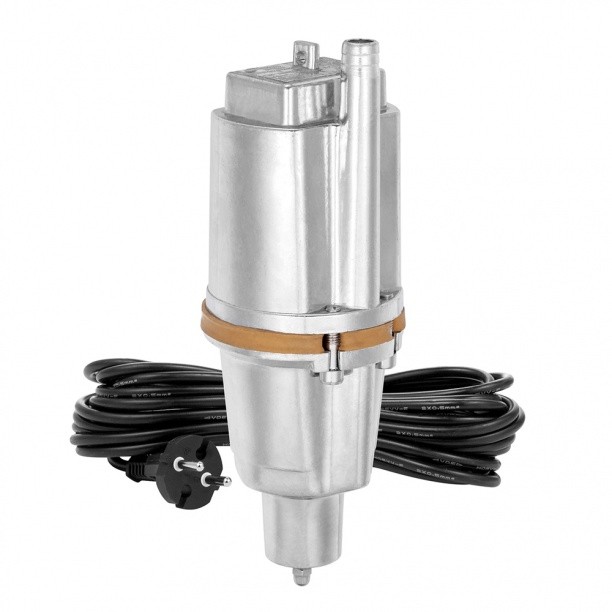
The engine of the second unit is housed in a smaller sealed housing. Here, there is just a single outlet hose connected to move liquid. The reason the gadget is called submersible is that it can operate underwater. Here, it’s crucial that its level at the source doesn’t drop. If not, the gadget will malfunction from overheating when it runs out of power.
The following are some of the equipment’s benefits:
- low engine noise level, which is further reduced by the surrounding water (this is one of the significant signs for users that distinguishes a pump from a pumping station);
- the depth of the unit can reach 40 meters;
- The dimensions of the device allow it to be immersed in narrow borehole channels;
- long service life;
- a wide range of products, which allows you to choose the right one according to the needs of each user without significant overpayment.
Submersible pumps do, however, have certain drawbacks. The apparatus is made for a restricted quantity of starts. To prevent the engine from starting every time you open a tap, for example, you will also need to install a hydraulic accumulator or another type of water reservoir within the home.
The device needs to be taken out of the source on a regular basis for maintenance. Users also mention how costly repairs can be.
Due to the wide variety of designs available on the market, users must decide whether to use a surface or submersible pump for a well. The second does not require submersion in the source; in other words, its performance is independent of the water level at any given time. However, in keeping with the pumping station analogy, the maximum height allowed here is also eight meters on average. The units’ benefits and drawbacks are comparable otherwise.
Your unique water needs and installation preferences will determine whether you should install a submersible pump or a pumping station in your private residence. Pumping stations are easy to maintain, adaptable, and perfect for homes that need constant water pressure for several outlets. Conversely, submersible pumps function silently and effectively below the water’s surface, making them ideal for deep wells and locations that are vulnerable to flooding. Making an informed choice that guarantees a dependable and effective water supply for your home will be made easier if you are aware of the advantages and disadvantages of each kind.
What is better to choose
The technical features of the units and the needs of the user must be considered when choosing the best pump or pumping station. Thus, two crucial points need to be balanced. The first is the amount of water used during the day at a particular facility. The installation’s water intake performance comes in second. In other words, the apparatus must be able to fully satisfy the needs of the user.
The condition of the water in the source is the next point. Its level is implied by this. In contrast, the indicator in a well can change. In other words, the depth is not very deep when using a pump, but it needs to be watched while submerged. When selecting drinking water pumping devices, experts advise concentrating on the following guidelines:
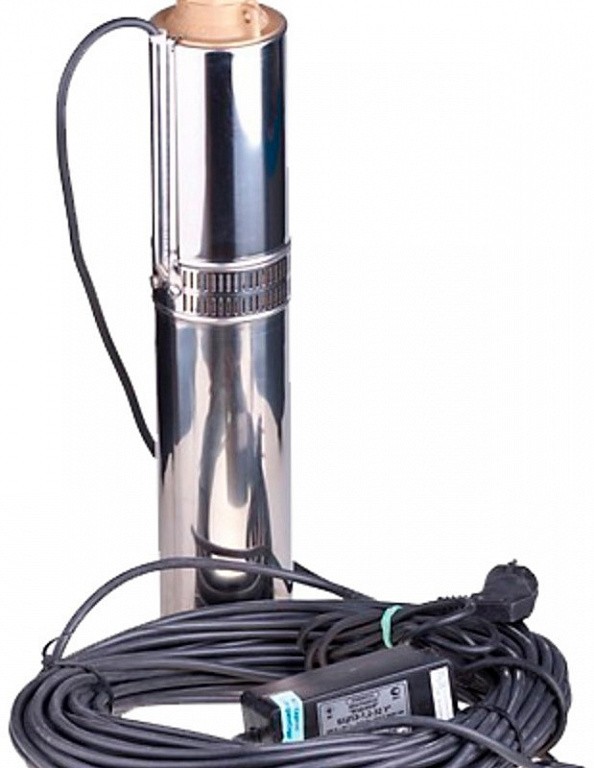
- up to 8 meters – surface type pump for a well or pumping station;
- 8-21 m – pump plus injection device;
- 10-81 – submersible device or powerful deep installation.
The level of contamination in relation to the liquid is also highlighted. Solid contaminants can have negative effects on pumping stations. As a result, it is necessary to install a filter element in the vicinity of the inlet pipe again.
The network voltage is another crucial factor. Regardless of its technical features, the pumping station will not operate if it is low. In this instance, a traditional pump is the answer. You can connect an automatically activated relay to it for ease of use with water. However, because the liquid within them will be under constant pressure, you must select the appropriate hoses in this situation.
The activity of operation is one of the easiest criteria to compare when selecting a submersible pump or a pumping station for a well or borehole. At a summer cottage, equipment is typically kept inside the house for security reasons. Winter is a common time for malfunctioning electrical installations. That is to say, it would be more appropriate to prioritize a basic pump that can adequately drain the water.
The depth of the water supply, your budget, and your water needs are just a few of the variables that go into selecting the best pump for your private residence. Pumping stations, which provide strong and effective water delivery, are typically more suited for large properties or homes with high water requirements. Conversely, submersible pumps provide a quieter, more compact option and are perfect for deeper wells.
Think about the particular requirements in your home. A pumping station might make more sense if you need water for irrigation or have a shallow well. A submersible pump, on the other hand, is probably a better choice if your water supply is deep because it offers dependable and consistent water pressure.
The budget is yet another important consideration. Submersible pumps may cost more up front, but over time they may end up being more cost-effective due to their efficiency and reduced maintenance needs. Pumping stations may be less expensive at first, but over time, maintenance costs could go up.
In the end, each kind of pump has benefits, and the best option for you will depend on your unique situation. You can make an informed choice that guarantees a dependable water supply for your house by carefully evaluating your water needs, well depth, and financial constraints.


