
Because of its strength and stability, installing plastic windows on anchor plates is a popular choice among builders and homeowners. Better insulation and weather protection are provided by the windows that are firmly fixed to the building structure thanks to this technique. But in order to get the best results, you have to adhere to a few specific rules.
Setting up the window opening is the first step in the procedure. Verify that the opening is tidy and clear of any trash. To make sure the window fits perfectly, it’s imperative to measure the opening precisely. A properly fitted window is more secure and offers better insulation than one that is poorly fitted. It also looks better.
The anchor plates must then be installed. These metal plates are fastened to the building structure after being fastened to the window frame. Make sure the plates are positioned correctly and that their spacing is uniform around the window frame. This lessens the chance of warping or other damage over time by helping to distribute the weight of the window evenly.
Use the proper fasteners made for the kind of building material you are working with when attaching the anchor plates. Use different screws, for instance, for brick, concrete, and wood. Make sure the fasteners are firmly and straightly inserted, but take care not to overtighten as this could harm the wall or the window frame.
Once the window is fastened and the anchor plates are in position, check the alignment and make any required corrections. Make sure the window closes and opens easily. To stop drafts and water intrusion, seal the edges with sealing materials. Maintaining comfort and energy efficiency within your home requires proper sealing.
You can guarantee a safe and durable installation of plastic windows on anchor plates by adhering to these guidelines. It will pay off to take the time to do it correctly in terms of performance, longevity, and energy efficiency. Have fun constructing!
| Step | Description |
| 1. Measure | Measure the window opening accurately to ensure the window fits perfectly. |
| 2. Prepare | Clean the window opening and check for any damages or irregularities. |
| 3. Position | Place the window in the opening, ensuring it is level and plumb. |
| 4. Anchor Plates | Attach anchor plates to the window frame at pre-marked positions. |
| 5. Secure | Screw the anchor plates into the wall, securing the window in place. |
| 6. Insulate | Fill gaps around the window with insulation foam to prevent drafts. |
| 7. Seal | Apply sealant around the window to ensure it is weather-tight. |
| 8. Finish | Check the operation of the window and clean any excess materials. |
- Window installation methods
- Unpacking or fastening through the frame using self-tapping screws
- Installation using plates
- Installation rules
- Difficulties associated with bolt-on installation
- Features of fastening to anchor plates
- Rules for attaching windows to plates
- Video on the topic
- 🏠 HOW TO INSTALL A PLASTIC WINDOW with your own hands by one person, on anchors and plates
- Installation of anchor plates
- Window installation according to GOST
- Installation of windows on anchor plates review ™OKna 5 🔨 Installation of windows on anchor plates video OKna5 👍
- The most durable installation of a metal-plastic window
Window installation methods
Each approach has subtle differences as well as advantages and disadvantages.
Unpacking or fastening through the frame using self-tapping screws
This fastening method is distinguished by the requirement that the frame be fully disassembled prior to installation. This includes removing the blind and opening doors. Installation is then completed by using self-tapping screws through the profile.
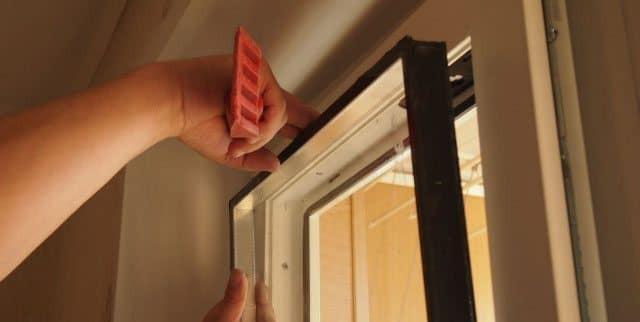
The system will need to be reassembled and adjusted following the installation of the profile. To ensure dependable fastening of such a large structure, this option is used for large windows that are at least 4 square meters in area.

It would be appropriate to mention the straightening plates here, which are fitted to keep the window profile and the glass unit’s edge from coming into contact. Their presence will guarantee that the weight of the glass unit is distributed uniformly and that the folded space is ventilated. The plates are composed of plastic, and the element’s width matches the glass unit’s width.
Installation using plates
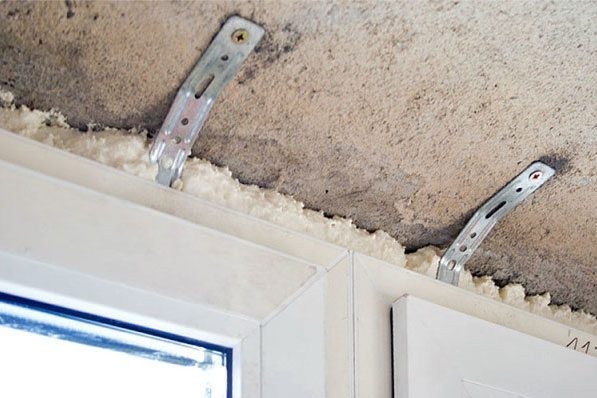
Buying these identical plates is the first step in installing windows on plates. There are models designed to work with a particular profile system and models that are universal. They are typically provided with intricately shaped structures. Their ability to fit into pre-existing grooves on the frame’s surface and their unique "ears" are what make them unique.
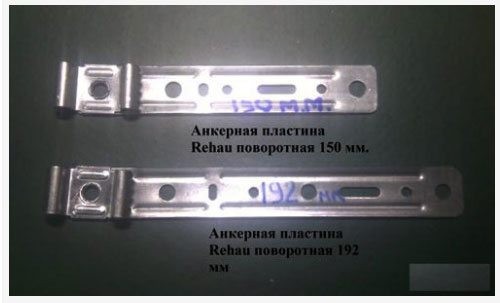
Bolts are used to secure plates without ears, and self-tapping screws are used to secure plates with ears. Bolt requirements are 4.5*25 and the availability of a metal drill.
Installation rules
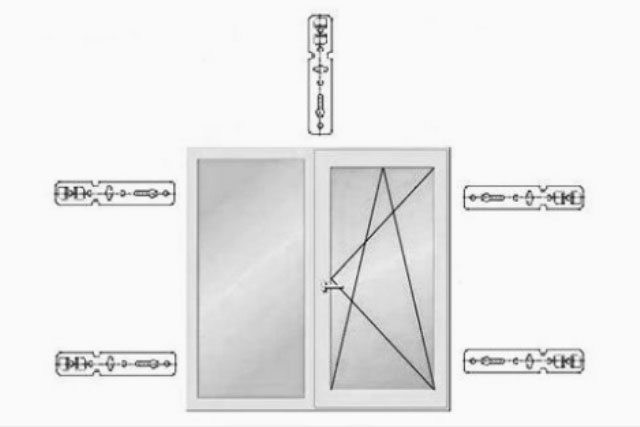
Five plates are required minimum for a standard window. Two plates are fixed on either side, one at the top and one at the bottom, and one in the middle of the frame. In this instance, you should move back 20 cm from the frame’s edge.
When installing windows without packing them, anchor plates are used to secure the frame from the exterior of the window opening. The glass unit and glazing bead don’t need to be removed. Fasteners are inserted through the frame during unpacking, and the window system is first disassembled into its component parts, such as the sashes and double-glazed windows.
Plate fastening is suitable for use on medium- and small-sized windows, which are typically standard windows found in homes and apartments. Because of the substantial weight of these structures and the inability of the plates to support them, large window systems (larger than 4 square meters) are fastened to anchor dowels through the frame.
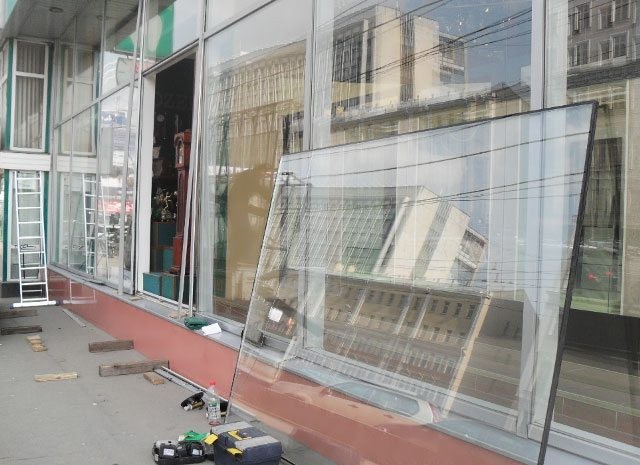
Anchor dowels are also used to secure door frames. This installation technique is the most dependable in professional circles among metal-plastic structure installers, but it has certain drawbacks:
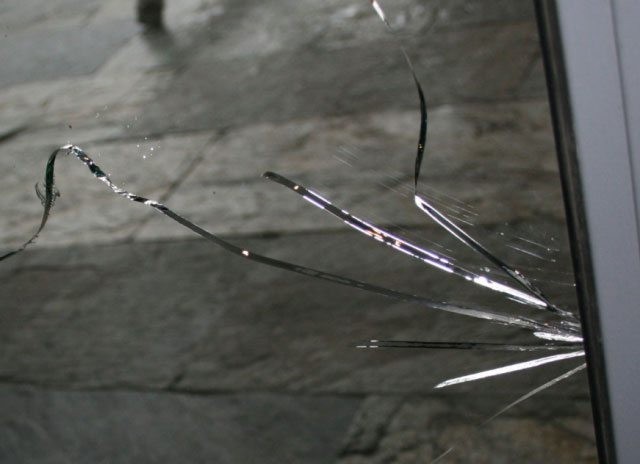
- this type of installation is difficult even for professionals. There is a high risk of damage to the glass unit when removed from the frame;
- This type of fixation by one person is often not possible;
- this is a labor-intensive method that takes considerable time and requires appropriate skills.
10*132 mm dowels are required if you wish to install the window yourself using this method. You will need a powerful hammer drill among the other tools; this is an expensive, professional piece of equipment that is not often used on the farm, so buying it for the installation of a window or two is not a good idea. One option would be to seek out a company that rents out construction equipment, with hammer drills typically being the most popular model.
All of these issues can be avoided by mounting the window on plates. All you have to do is purchase the plates.
A stable, long-lasting fit can only be achieved by installing plastic windows on anchor plates. Precise measurements, cautious placement, and appropriate material usage are required during this process to prevent common mistakes like drafts, water leaks, and structural weaknesses. Homeowners and contractors can achieve a high-quality installation that improves energy efficiency, increases home security, and offers a polished finish by adhering to specific guidelines and best practices. The essential procedures and guidelines for a successful installation will be described in this article, making the work manageable even for do-it-yourself enthusiasts.
Difficulties associated with bolt-on installation
Here are a few more arguments for choosing plates over bolt-on mounting when doing your own installation. Drilling a hole in the PVC window frame is required to attach the anchor bolt. Depressurization of the glass unit chamber is therefore feasible.
Due to the possibility of system reinforcement being interfered with during drilling, future window system freezing issues are noted. As a result, mold grows on the slopes’ surface and excessive moisture formation takes place indoors.
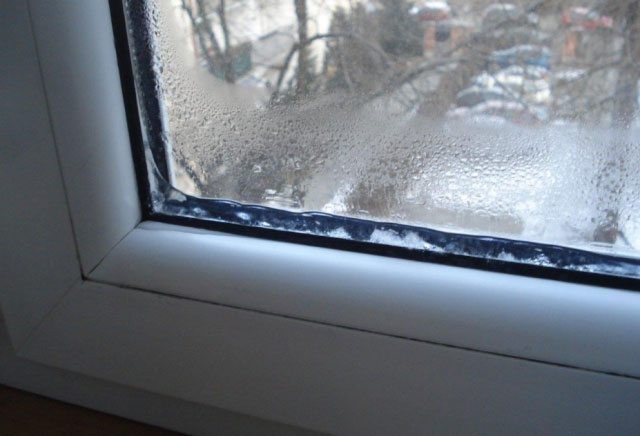
Should you be inexperienced and unaware of the characteristics of the material used to make the structure, it might end up stretching if installed improperly. Correcting the window frame’s geometry will be nearly hard.
However, there are still advantages to using anchor bolts to secure plastic windows:
- reliability of fastening of the structure – in order to dismantle it, it will be necessary to carry out the reverse order of work that was done during installation;
- after fixing the window system, there is no need to carry out additional work, as happens with fixation with polyurethane foam: time for hardening, leveling, cutting, finishing;
- the structure can begin to be fully exploited immediately after it is installed;
- This connection method is reliable and durable, and fastening materials in the form of bolts are widely available and have an affordable price.
Features of fastening to anchor plates
This window system attachment technique is as easy to use as possible and available to all.
The method is thought to be completely safe for the window system when compared to the unpacking method; the only drawback is that some fastening elements (plates) will still be visible after installation. When they’re done, though, you can also properly camouflage them by hiding them beneath the slopes.
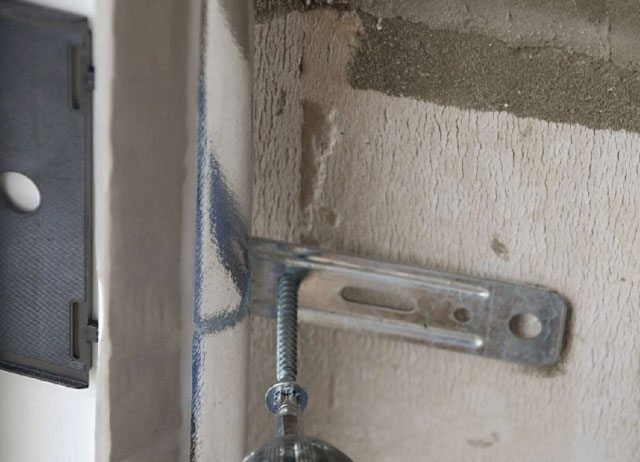
Experts also advise against installing a window with an opening sash that will be opened frequently because it may break. For fixed windows or windows with moderate opening, this kind of fastening is advised.
An alternate fastening technique is to use anchor bolts to secure the lower portion of the structure while mounting the upper portion on plates.
Rules for attaching windows to plates
The fixing element of choice should be self-tapping screws. Foam or glue are not appropriate. It is only feasible to make holes in concrete surfaces using a percussion mechanism.
It needs to be long enough to prevent the drill from breaking the window frame. Furthermore, you can install a piece of PVC close to the hole that needs to be drilled in order to protect the frame’s surface.

Fastener holes form in the interblock seams when installing a window in a brick opening with vertical voids. Utilizing a screwdriver with a torque-limiting function is essential to regulate the self-tapping screw’s immersion into the frame’s body.
For your plastic windows to last a long time and perform well, installing them on anchor plates is a simple but important procedure. You can improve your home’s security and insulation by adhering to the correct regulations, which will increase comfort and energy efficiency.
To guarantee a tight fit, it’s critical to precisely measure and prepare the window opening. This entails clearing away any trash and making sure the ground is level. It will be easier and more efficient to install the system if you take the time to do this.
It’s crucial to use premium anchor plates and fasteners. These parts give your windows the stability and support they need. Water leaks and drafts won’t happen in the future if the plates are evenly spaced and securely fastened along the frame.
Lastly, adding an additional layer of weather protection to the edges by sealing them with suitable insulating materials like silicone or foam. By taking this action, you can improve energy efficiency while also lessening outside noise and creating a calmer interior atmosphere.
You can make sure that your plastic windows are installed correctly and give you years of dependable service by following these guidelines. Whether you’re an experienced do-it-yourselfer or a novice to home remodeling, following these instructions will assist you in getting a polished outcome.


