
The type of mortar used in facing brick construction is essential to guaranteeing longevity and a solid finish. Masonry mortar is a precisely balanced mixture of materials that must function in a variety of situations, making it more than just a binding agent. Gaining knowledge about the components of this mixture will enable you to choose more wisely for your building endeavors.
Cement, sand, and water are the main ingredients of masonry mortar. Sand gives the mixture structure, cement serves as a binding agent, and water makes the mixture workable. The ratios of these components can change based on the particular needs of the project and the mortar’s intended strength.
To improve the mixture’s qualities, additional ingredients are occasionally added. Lime, for example, is frequently added to enhance workability and flexibility. This addition can improve the mortar’s versatility and ease of application, particularly in difficult situations.
To create a brick facade that is both visually appealing and strong, the right composition is essential. You can guarantee that your masonry work not only withstands the test of time but also satisfies your structural and aesthetic requirements by being aware of the fundamental components and their roles.
| Component | Description |
| Cement | Acts as the binder that holds the mortar together. It helps the mortar set and harden. |
| Sand | Provides bulk and texture to the mortar. It helps in the workability and strength of the mortar. |
| Lime | Improves the flexibility and workability of the mortar. It also helps in making the mortar more durable. |
| Water | Activates the cement and lime, allowing the mortar to mix properly and set effectively. |
| Additives | Optional ingredients that can enhance certain properties, such as water resistance or bonding strength. |
- Composition of masonry mortar for facing bricks and its proportions
- Why are plasticizers needed?
- How to calculate mixture consumption
- Color additives
- Required Tools
- Preparing the mixture
- Application technology
- How to clean facing bricks from mortar
- Useful video
- Video on the topic
- how to make an elastic mortar for brick laying
- What to do brick laying on: a masonry mixture or a cement sand solution? Part 2
- What to do brick laying on: a masonry mixture or a cement sand solution? Part 1
- Brick laying solution / how to prepare a solution for masonry bricks correctly
- How to prepare a cement mortar for laying brick with your own hands. Build!Ka
- How to knead a solution for laying brick.
- Closure of facing brick. Technology and choice of solution // Forumhouse
Composition of masonry mortar for facing bricks and its proportions
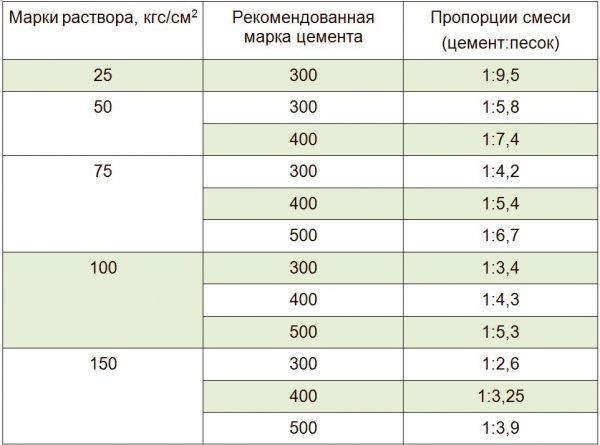
For laying facing bricks, the mortar’s universal composition consists of water, cement grade M500, and sifted river sand in a 1:4 ratio. Additives are not necessary because this composition is widely accepted.
Furthermore, a lot of experts strongly advise against using any impurities because they believe that they will interfere with the proper course of cement crystallization. On the other hand, another viewpoint states that the solution needs to contain a specific quantity of bastard lime in order to make the mixture more fluid.
The traditional method of preparing the solution can be laborious and inconvenient for work. Many artisans even go so far as to substitute clay for lime, which helps hasten the solution’s hardening process.
Brick has a limited capacity to absorb water, which is the primary cause of this circumstance.
Poor-quality brick pulls water out of the layer when mortar is applied, making the layer quite hard and losing its functionality. One workaround could be to add water to the solution to make it more fluid or to soak the brick in water beforehand.
The final mortar’s consistency needs to be sufficiently dense to prevent the brick from "floating," or shifting position, and to ensure that the seam keeps its thickness and shape.
Why are plasticizers needed?
A unique mixture added to a solution to improve its elasticity and plasticity is called a plasticizer.
Advantages of applying a plasticizer:
- Reducing the amount of water that impairs the hardening of the solution.
- Increasing the moisture resistance of the seam.
- Increased frost resistance.
Plasticizers serve various functions.
- Catalysts. Serve to speed up and increase the strength of the hardening of the solution.
- Modifiers. Allows you to obtain additional seam capabilities – greater resistance to mechanical stress, moisture resistance, etc.d.
Furthermore, plasticizers allow for the creation of a seam that is more elastic, compensating for the cladding’s thermal expansion. This capacity guards against the formation of moisture-accumulating seam cracks and preserves the integrity of connections with the load-bearing wall.

How to calculate mixture consumption
You must first ascertain the amount of solution in order to compute the necessary amount of mixture. Usually, for every square meter of masonry with a brick-thickness of one, it is 0.2 m3 (75 liters). The most common thickness of the facing layer, half-brick masonry, calls for 0.16 m3 (94 liters) of mortar.
It takes eight bags of cement to make one m3 of solution. By dividing the total volume by 8, you can quickly determine the quantity of cement needed if you know how much mortar will be needed to lay facing bricks. The resulting number of bags will be displayed, and by multiplying it by 50 (the average weight of a cement bag), we can determine the cement’s weight. To obtain the proper mixture ratio, multiply it by four to find the weight of the sand.
Although it’s normal to add water as needed, the ratio is typically 8 to 9.5 liters for every 10 liters of cement (13 kg).

Color additives
The seam’s color creates a beautiful decorative effect. The wall surface becomes more expressive, the masonry becomes more elegant, and the seam lines are highlighted.
When mixing the solution, specific pigments are added to the mixture to change the color of the solution to the desired color. Pigments can be used to create a variety of shades.
Adding soot is the easiest and most traditional method of coloring a solution. The outcome is a solution that is very dark. These days, pigments are made from the oxides of different metals. They are reasonably priced to buy and can be found at construction supply stores.

Masonry mortar is a mixture of various essential ingredients that combine to form a robust and long-lasting bond for facing bricks. It usually consists of three ingredients: cement, sand, and water. The strength and flexibility of the mortar are determined by the proportions of these ingredients. Lime is occasionally added as well to enhance workability and durability. To guarantee that the mortar not only keeps the bricks in place firmly but also endures the weather and the test of time, it is essential to understand the proper composition.
Required Tools
There are various ways to combine the solution, each requiring a unique combination of instruments.
The simplest method is to manually prepare it, which requires the following:
- Container (trough or small tub).
- Shovel and bayonet shovel.
Although this method is straightforward, it needs to be used carefully because an unblended mixture will prevent you from getting a high-quality result.
To achieve more even stirring, attach a drill bit. This is by far the better choice because the mixture gets much better.
Using a mixer lets you virtually automate the process—you just need to load the ingredients by hand. The most effective choice is to use a mixture that is difficult to mix because brick-laying material has the highest density; therefore, being able to automate the process is very helpful.
Making a lot of solution at once is not advised. The best working life of the mixture is 1.5–2 hours, so the volume of the batch should be estimated for this duration. Laying facing bricks is a fairly time-consuming process.

Preparing the mixture
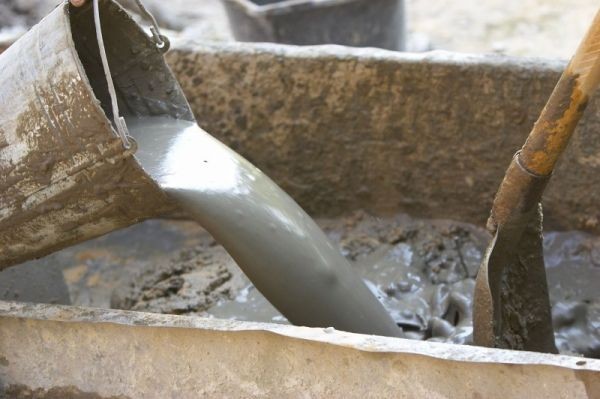
The most dependable method of preparation is to combine the dry ingredients with water after mixing. This facilitates the creation of an equal distribution of each component. If you add the water right away, stirring will take a lot more work, and you run the risk of making a subpar solution.
Once 705-80% is reached, water is added right away. More water is added gradually until the required consistency is reached. This method is employed because it is highly challenging to determine the precise amount of water needed.
An alternative method of manually preparing the solution involves pouring in water first, adding liquid soap (or a comparable detergent), and thoroughly mixing. All steps are done in reverse order.
Next, tiny portions of the prepared dry mixture are served. Until the required thickness is reached, the process is repeated. Stirring becomes much simpler with this method, which is very helpful when preparing the mixture by hand.
Application technology
Neat and even laying of facing bricks is dependent on properly applying mortar. It takes years of experience to become proficient at laying seams evenly. Nonetheless, less experienced masons who wish to complete the task themselves will find it easier to manage if they are aware of a few principles.
When mortar is applied manually, a layer about 3-3.5 cm thick is spread on the brick’s bed area, stopping about 1-1.5 cm from the block’s edges. Bricks are laid by pressing them down and partially inserting them into the material’s cavity, leaving a seam thickness of one centimeter.
Immediately remove excess mortar with a trowel after it has been squeezed out along the edges. A centimeter square rod can be used as a template to measure the desired layer size and thickness by applying it along the edges of the bottom row of bricks.
This method takes a great deal of time and labor. You can use a dispenser as a special template to expedite the process. It is a structure that is placed on a row of bricks and has the shape of a frame or tray without a bottom.
The ideal seam thickness is corresponding to the long sides’ thickness of 10–12 mm. Using the long sides of the tray as guides, the solution is inserted into the template and leveled using a trowel or a rule.
In this manner, you can coat two or three bricks at once with mortar. Once installed, the device is moved to one side, and the procedure is carried out once more. Productivity rises four to five times.

How to clean facing bricks from mortar
The front surface of the masonry may become stained by the mortar that was squeezed out around the brick’s edges. These situations happen frequently and need to be cleaned up right away to prevent the material from setting and getting harder to remove. Using the edge of a trowel to remove excess material and then wiping the masonry’s surface with a damp cloth is the easiest and most popular technique.
You can use a specific chemical agent (such as Tiprom OTs, Chistyulya company’s Facade Cleaner No. 5), etc., to remove the solution deposits if they have dried. When they are applied to dried areas, the cement becomes more pliable and can be readily removed from the surface. The surface only needs to be cleaned with a moist cloth.

Useful video
This video will teach you how to combine the solution:
Achieving a long-lasting and appealing finish requires an understanding of the makeup of the masonry mortar used with facing bricks. The proper mortar mixture is essential for both functionality and aesthetics because it serves as the glue that holds the bricks together. Cement, sand, and water are the basic ingredients of a good mortar mixture; additional ingredients can be added to improve performance. Depending on the particular requirements of your project, such as the type of bricks being used or the weather, the amounts of these ingredients may change.
The overall quality of your brickwork can be significantly affected by selecting the proper mortar mix. A well-balanced mortar guarantees that facing bricks, which are frequently used for both their structural function and aesthetic appeal, stay in place and the joints stay intact. Sand adds texture and workability, water makes the mixture workable, and cement gives it strength. Benefits from additives include improved resistance to environmental influences and flexibility.
You can get a sturdy and aesthetically beautiful finish that extends the life of your brickwork by carefully choosing and combining the ingredients for your mortar. Understanding the fundamentals of mortar composition will help you make wise decisions and guarantee that your facing bricks are installed to last, whether you’re working with professionals or taking on a do-it-yourself project.


