
Selecting the ideal facade tiles for your building is a crucial choice that will have a big impact on how durable and attractive it looks. In addition to being aesthetically pleasing, facade tiles shield the external walls from inclement weather, resulting in long-lasting durability and low maintenance. Making the choice of which kind is best for you can be difficult given the abundance of options.
Ceramic tiles are one common kind of facade tile. Ceramic tiles are well-known for their adaptability and affordability. They are available in a large variety of colors and styles, so it’s simple to find a design that suits your preferences. These tiles are a great option for locations with variable weather because they are also resistant to fading and moisture.
Natural stone tiles are an additional choice to think about. These tiles have a classic and refined appearance and are composed of materials like slate, granite, and marble. Although natural stone is more expensive and may need professional installation to ensure proper fit and longevity, it is extremely resilient and can withstand harsh weather conditions.
For facades, porcelain tiles are yet another fantastic option. Though denser and more resilient, they resemble ceramic tiles. Because porcelain tiles are less porous, they are extremely resistant to freezing and water absorption. They are therefore perfect for regions with a lot of rainfall or extremely cold temperatures.
Terracotta tiles are an excellent option for those who want to do their part for the environment. These tiles have a cozy, rustic appearance because they are made of natural clay. Although terracotta tiles are breathable and aid in temperature regulation, they require routine sealing to preserve their longevity and good looks.
Every kind of facade tile has advantages and disadvantages of its own. Knowing these will enable you to make an informed choice that will protect your building from the elements and improve its appearance. Make the right decision, and your facade can be long-lasting and gorgeous.
| Type of Facade Tile | Description |
| Ceramic Tiles | Durable and water-resistant, perfect for various weather conditions. |
| Porcelain Tiles | Known for their strength and low water absorption, ideal for harsh climates. |
| Stone Tiles | Natural look and feel, offers a unique aesthetic with high durability. |
| Glass Tiles | Sleek and modern, often used for decorative purposes. |
| Metal Tiles | Provides a contemporary look and excellent protection against the elements. |
| Concrete Tiles | Strong and versatile, can mimic other materials like stone or wood. |
| Terracotta Tiles | Classic and earthy, commonly used for their rustic charm and insulation properties. |
- Facade tiles
- Clinker and ceramic
- Under the tree
- Concrete
- Flexible
- Polymer sand
- Terracotta
- Bituminous
- Video on the topic
- TechnoNIKOL Hauberk tiles. Material overview and price
- HAUBERK facade tiles on finished objects (SHOWREEL. Part 2)
- Facade tiles Hauberk. Introduction to the material, advantages and benefits of Hauberk tiles
- How to make a house facade. Types of facade panels
- Types of facade tiles. Video review.
Facade tiles
Facade tiles can have different fastenings, such as adhesive composition or lathing (a suspended structure), and they can be made of a variety of materials and shapes. Self-tapping screws or unique parts included with the coating are used to fasten to the lathe.
In most cases, grout and occasionally a sealant are required for the seams when installing on glue in addition to the adhesive composition.
While there is a wide variety of tiled facade products available, the following are the primary markers of this facing material:
- high-quality protection of the walls of the building from adverse factors;
- resistance to ultraviolet rays;
- environmental friendliness;
- fire resistance;
- durability.
The properties and composition of the material used to make the facade slabs determine their strength. The quality of the facing coating should be the top concern when making improvements to external walls. All environmental, safety, strength, and endurance requirements are satisfied by facade tiles.
Shape, texture, kind of material, fastening technique, color, imitation, and other attributes set apart facade cladding elements.
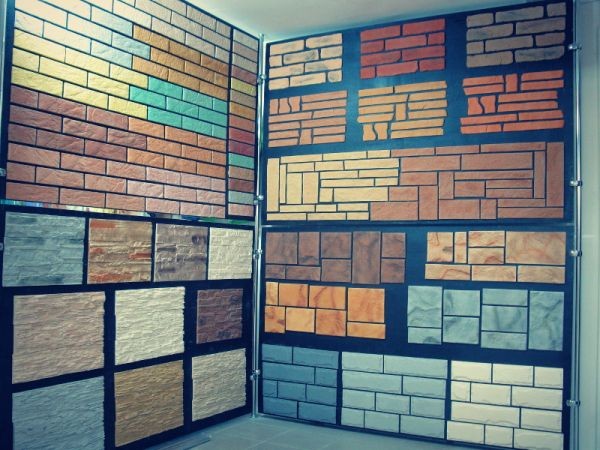
Furthermore, the reputation of the manufacturer should be taken into consideration when selecting facade tiles, as some high-quality materials come from small, dishonest businesses that cut corners on production at the expense of quality.
Typical categories of outdoor tile goods consist of:
- ceramic;
- clinker;
- wood effect tiles;
- concrete;
- flexible;
- polymer sand;
- terracotta;
- basement;
- bitumen.
Facade tiles come in a variety of styles that can both adorn a building and shield its walls from the elements.
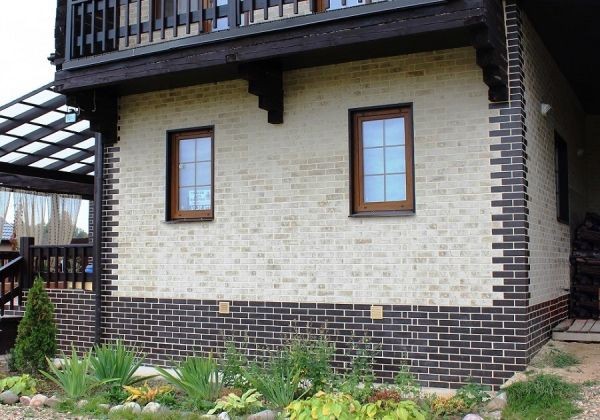
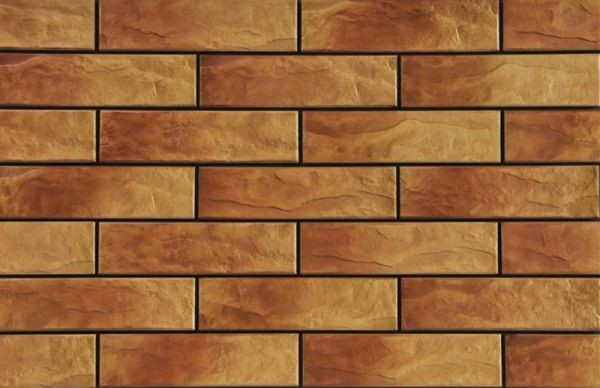
Clinker and ceramic
Clay is the building block of ceramic tiles and clinker.
An unique variety of clay, extracted from quarries in England or the Netherlands, is utilized to make clinker products. This clay is unique because it lacks calcareous impurities.
Products made from clinker are extruded.
Dry pressing is the method used to create ceramic goods.
Slabs made of ceramic material are more brittle than clinker.
The reverse side of the product is where ceramics and clinker can be distinguished from one another: clinker has longitudinal strip stampings, whereas ceramics do not.
Increased strength, resistance to moisture, environmental friendliness, and fire safety are features of both types of materials. Any of the previously mentioned techniques can be used to install them. In addition to their exceptional mechanical strength, resistance to wear, and environmental friendliness, clay tiles are long-lasting.
Under the tree
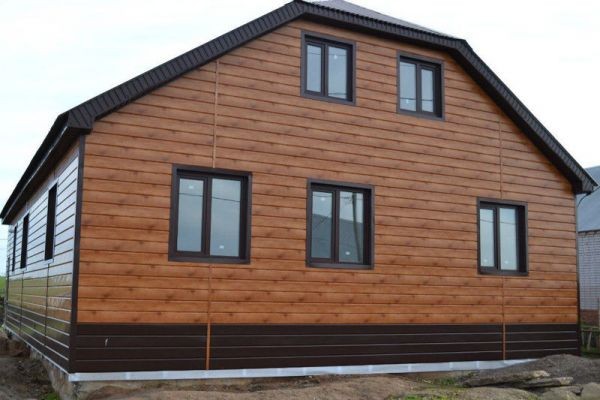
Slabs of natural wood cladding are simple to install, strong, and lightweight. In contrast to real wood, imitation wood does not decay over time, does not require frequent application of antiseptic solutions, and does not provide a conducive environment for the growth of mold, mildew, and different insects. Furthermore, imitation material is far less expensive than natural material.
Different kinds of wood-like imitation cladding exist:
- siding. Popular wood-look vinyl (PVC) siding consists of panels that can reliably imitate logs, timber, or ship planks. The material is presented in a wide range, is quite inexpensive, and is very popular;
- metal. The material is strong and durable thanks to its aluminum base. Can be made in imitation of natural material in a wide variety of colors;
- fiber cement. These boards can imitate different types of wood species: cedar, oak, beech, cypress. They withstand atmospheric changes well and are resistant to ultraviolet radiation;
- wood-polymer. Such slabs are also called sandwich panels. Consist of a multilayer structure, which includes an outer layer of pressed sawdust and polymer insulation. Suitable for additional insulation of the facade, as well as wood cladding;
- veneered. An uncommon type of wood-look covering due to its high cost. The coating consists of a composite of cellulose and an outer layer of wood veneer. The slabs look quite presentable and rich.
Slabs of wood-look cladding are installed on the sheathing. Moisture-resistant boards are typically used as panels with different lengths, textures, and shapes.
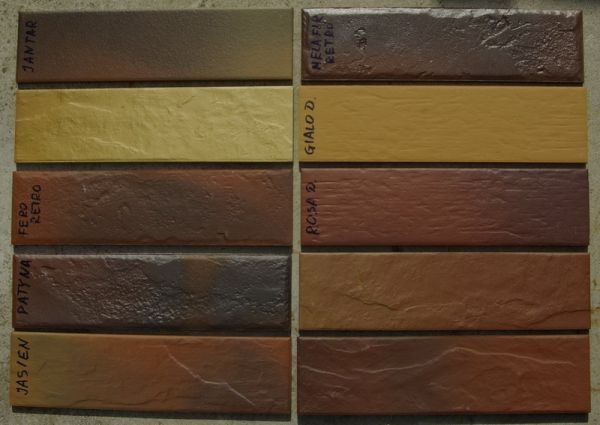
Concrete
Cladding for a concrete building’s exterior walls is a reasonably light and long-lasting cladding coating because of its composition. Portland cement, quartz sand, marble or granite chips, and lightweight fillers are all part of the mixture that gives concrete slabs their quality attributes of durability, strength, and resistance to frost.
Concrete mixtures are poured into specialized molding containers during the vibration casting process, which is the production method used to create concrete facade products. Compaction and desired shape of the composition are achieved through the use of continuous vibration method.
Slabs of concrete can be installed by screwing them to the sheathing or by using an adhesive mixture.
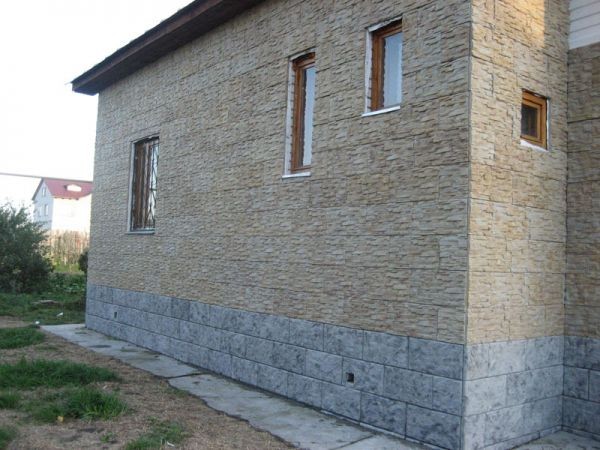
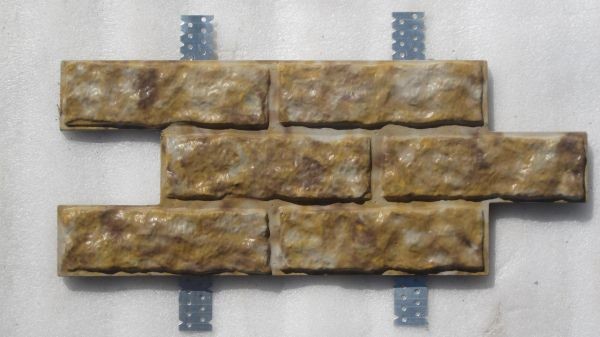
Flexible
When it comes to external cladding on non-standard buildings with rounded walls or corners, it is best to use flexible tiles. Flexible tiles are created using brick or stone imitations.
This facing material is composed of acrylic material and marble chips. Special cement adhesive is used to install flexible tiles. Ceramics and porcelain stoneware are two examples of the various compositions of flexible facing materials.
When installed properly, the material is frost-resistant, practical, long-lasting, and fade-resistant.
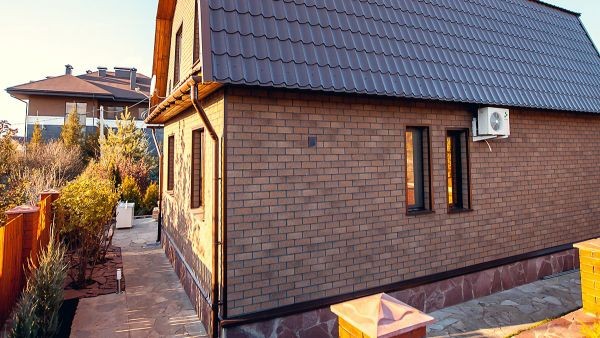
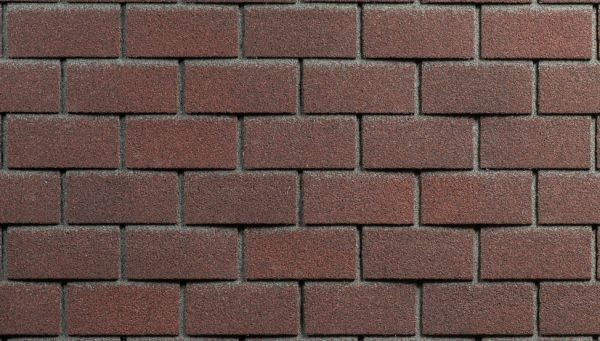
Polymer sand
This facade coating’s ability to mimic brickwork determines how decorative it looks. Easy coverage is guaranteed by the material’s durability despite its thinness.
This material is made up of different dyes, polymers, and sand. The material is somewhat plastic, so it doesn’t break when cutting or crack during transit.
It is possible to install polymer sand coating on a lathing or an adhesive composition. The basic motif of the material, which comes in a broad range of colors, is natural tiles.
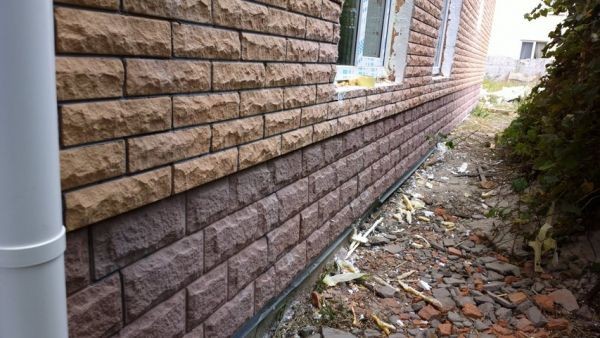
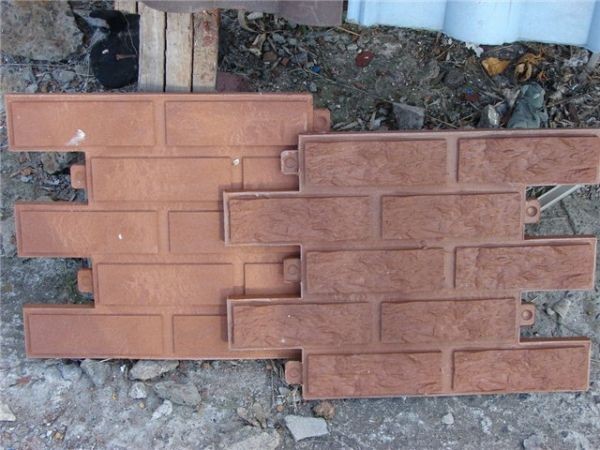
Terracotta
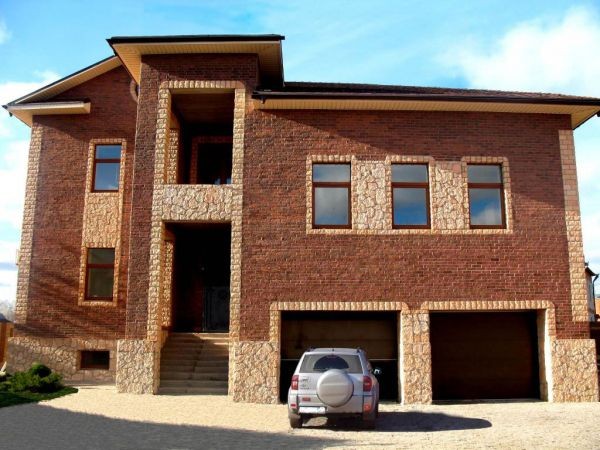
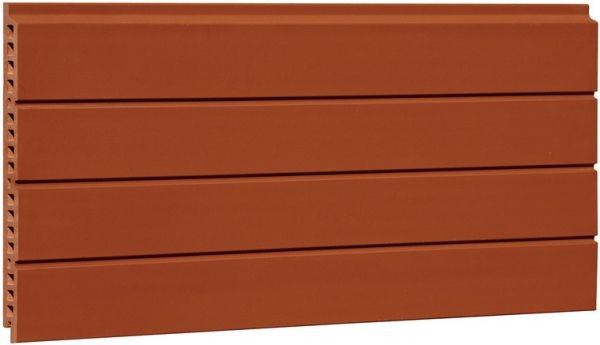
The material’s limited color palette is a result of the terracotta tiles’ outer layer, which is composed of fired red clay. The primary hues are brick, orange, and terracotta, which gives rise to the material’s name. This kind of material is produced without the use of additional dyes, so the color is as close to natural as possible.
The terracotta slab has a lumpy structure, akin to that of a clay surface; it is not flat. High temperatures are used to process clay to give it strength, endurance, and durability.
The terracotta system is fastened to specialized clamps to be installed on the sheathing.
Bituminous
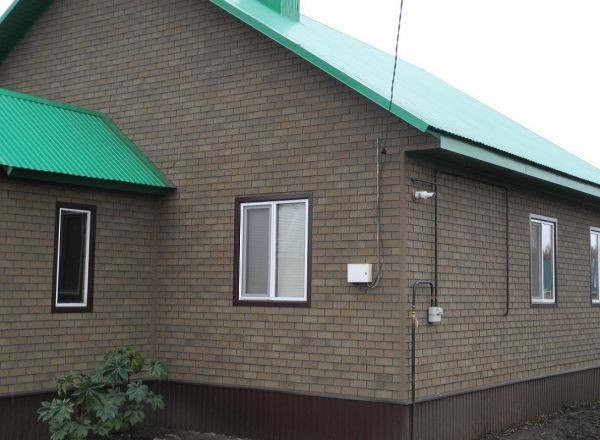
The term "bitumen coating" describes pliable façade cladding materials. The benefit of using this kind of cladding is that it can be used to create intricate structures with rounded corners, walls, and numerous domed or unusual architectural elements.
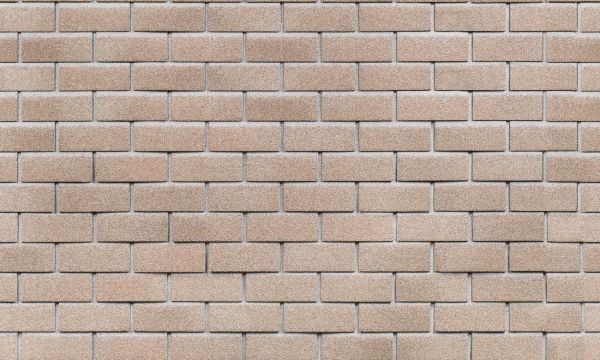
This facing material is composed of modified bitumen and basalt granulate. Fiberglass serves as the foundation. Façade tiles are essentially similar to bitumen roofing shingles; the only differences are in the vertical coating, which has enhanced components to guarantee the coating’s resilience to moisture, color fastness, and durability.
Bitumen tile installation can be done on a continuous sheathing or an adhesive base. Lathing is typically done when the facade needs to be insulated.
Four lobe-shaped slabs, each one meter wide, are created (imitation brick). Every tile made of bitumen mimics brickwork.
There are many different kinds of facade tiles, and each has special qualities and a pleasing appearance. The primary varieties are natural stone tiles, such as granite and marble, which provide an opulent appearance; porcelain tiles, which are renowned for their strength and low water absorption; and glass tiles, which give a contemporary touch with their reflecting surfaces. With regard to longevity, upkeep, and design, every kind of tile has advantages of its own, enabling builders and homeowners to select the best solution for their individual requirements.
A building’s durability and appearance can be greatly impacted by the choice of facade tiles. Facade tiles come in a variety of styles, each with special advantages and visual appeal. There is a perfect match for any architectural style thanks to the variety, which includes both modern porcelain options and traditional ceramic tiles.
Because ceramic tiles are inexpensive and adaptable, they are a popular option. They are easy to achieve the desired look because they come in a wide range of colors and patterns. Conversely, porcelain tiles are well-known for being robust and long-lasting, which makes them perfect for locations that experience severe weather. They also provide a polished and elegant finish that can improve a building’s overall appearance.
Slate, granite, and marble are examples of natural stone tiles that have an exquisite and classic appearance. These tiles are extremely resilient and resilient to different environmental conditions. However, they might need more upkeep and are typically more expensive. Composite tiles, which are an eco-friendly and reasonably priced substitute for real stone without the high cost, are created by combining materials like cement and fibers.
Another contemporary option with a distinctive and fashionable appearance is glass tiles. They come in a variety of colors and finishes and can be used to create amazing visual effects. They might, however, cost more in general and need to be installed by a professional. Lastly, metal tiles provide an industrial and contemporary look that is perfect for contemporary building styles. Although these tiles are low maintenance and long-lasting, they are not immune to dents and scratches.
With so many options for facade tiles, it’s important to take your project’s unique requirements, aesthetic preferences, and budget into account. You can improve the external appearance and usefulness of your building by making an informed decision by being aware of the various options available.


